



























Cat's Head Nebula Hubble Webb Images Reveal a Sinister Glowing Red Eye›via streakshot


 Live ScienceHubble and Webb spot something ghostly happening in the Cat's Head Nebula
yesterday· By Brandon Specktor
0
From 659 feeds, newest first.
Live ScienceHubble and Webb spot something ghostly happening in the Cat's Head Nebula
 Shared by @drspacejunk.bsky.social ↗
 space.com3mo ago
 Shared by @drspacejunk.bsky.social ↗
 zoharesque.blogspot.com3mo ago
 Dezeen3mo ago
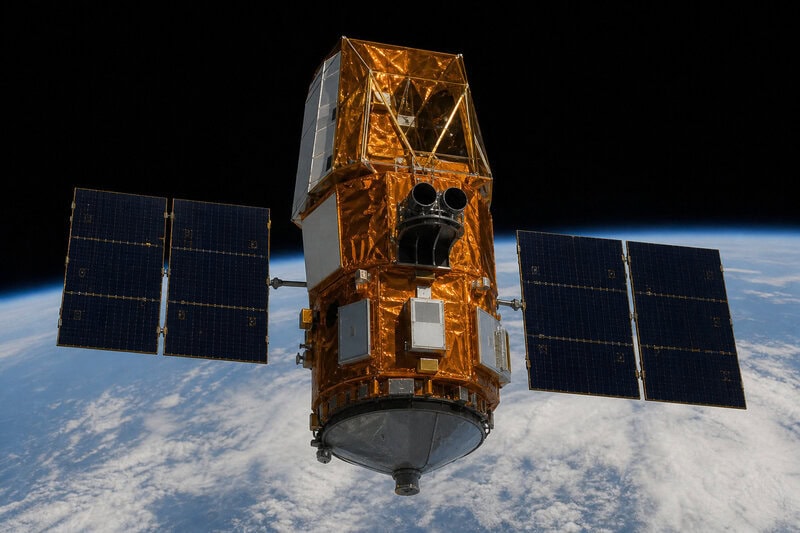
NASA's Neil Gehrels Swift Observatory, which spent more than two decades cataloging gamma-ray bursts and other violent cosmic events, has ended its science mission. The spacecraft's orbit has decayed to the point where it can no longer operate, and it is expected to make an uncontrolled re-entry into Earth's atmosphere. Science Sensei reported that a commercial rescue attempt failed, sealing the observatory's fate. "After 22 years and more than 1,000 gamma-ray burst detections, NASA's Neil Gehrels Swift Observatory has ended its science mission, not by design, but because a commercial rescue attempt failed and its orbit sank too low to save." This abrupt end comes despite the spacecraft's remarkable longevity and productivity. According to interestingengineering.com, the accelerated orbital decay was driven by increased solar activity, which expanded the atmosphere and dragged the satellite down faster than anticipated. The observatory's re-entry is now projected for the coming weeks, with some outlets, including newsweek.com and dumpsterfire.com, suggesting it could happen as early as Friday. "NASA's Swift Observatory may make a fiery return to Earth around Friday after more than two decades studying gamma-ray bursts." While the physical spacecraft will be lost, its legacy endures. Gettysburg Connection noted that NASA officially announced the end of science operations on October 23, and interestingengineering.com emphasized that the observatory's extensive archive of observations will continue to support scientific research and potential discoveries for years to come. The Swift Observatory's 1,000-plus gamma-ray burst detections have fundamentally reshaped our understanding of the most energetic explosions in the universe.

 Science SenseiHubble Is Slowly Falling and NASA Has No Rescue Plan Yet

Media representatives are invited to express their interest in attending the media programme at Europe's Spaceport in French Guiana for the launch of the FLEX and Copernicus Sentinel-3C satellites on a Vega-C rocket (flight VV30). Liftoff is expected to t
🚀🛰️ "World's first commercial nuclear-powered satellite" launched by SpaceX! City Labs' BOHR CubeSat pushes boundaries for space power & regulatory approvals. A new era for nuclear in orbit! Source
 ans.org·@nuclearnewsnetwork.bsky.social·3mo ago·2 min read
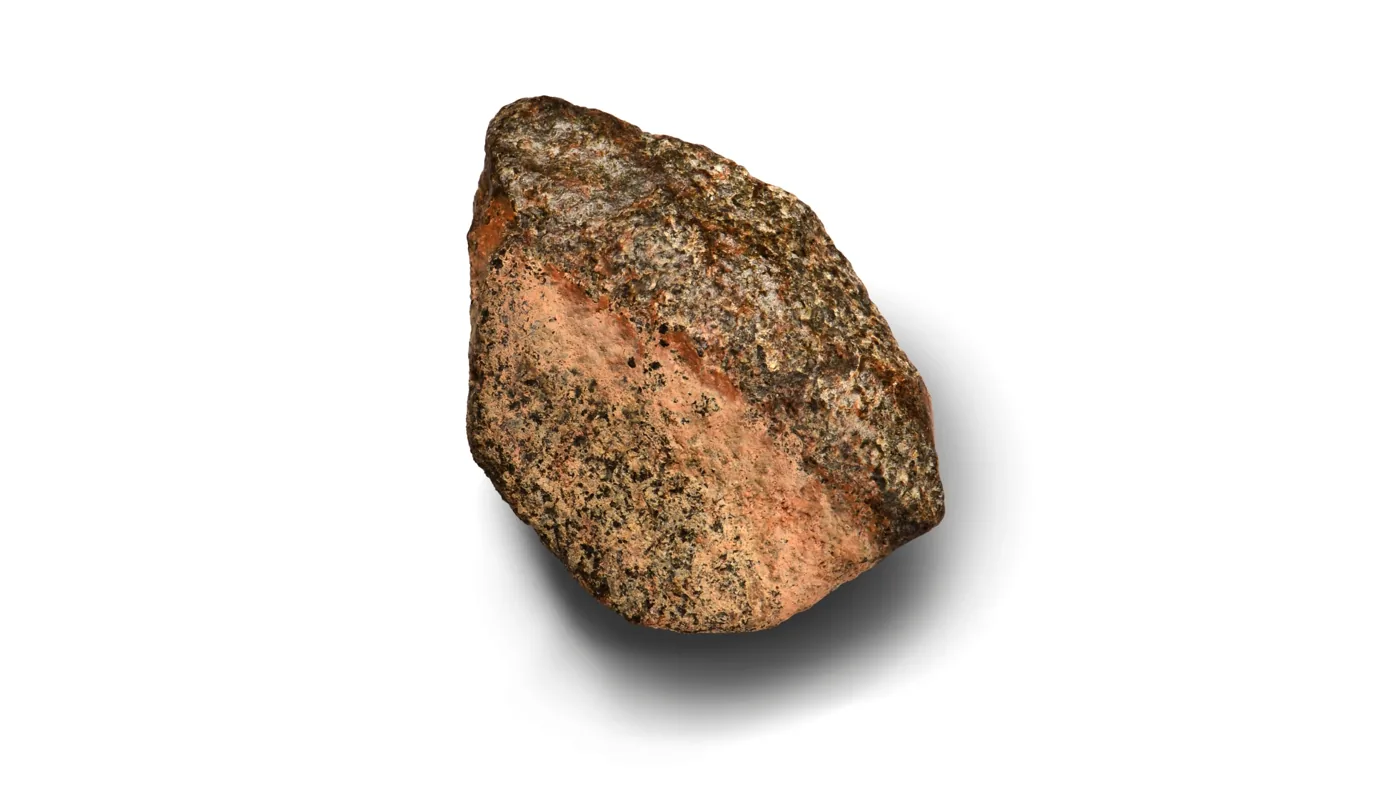
 MashableThis Martian meteorite just got dubbed a 'Rosetta Stone.' Here's why.
 Starlust'Rosetta stone' of Mars: Two-pound rock turns out to be 4-billion year old piece of red planetMashableThis Martian meteorite just got dubbed a 'Rosetta Stone.' Here's why.
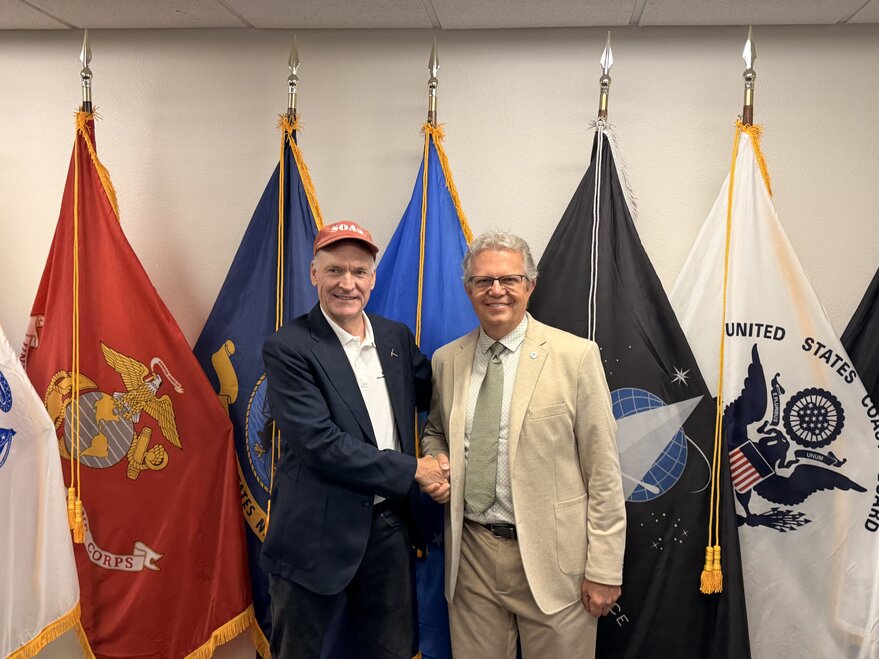
 Shared by @SpaceNews_Inc ↗
 spacenews.com3mo ago
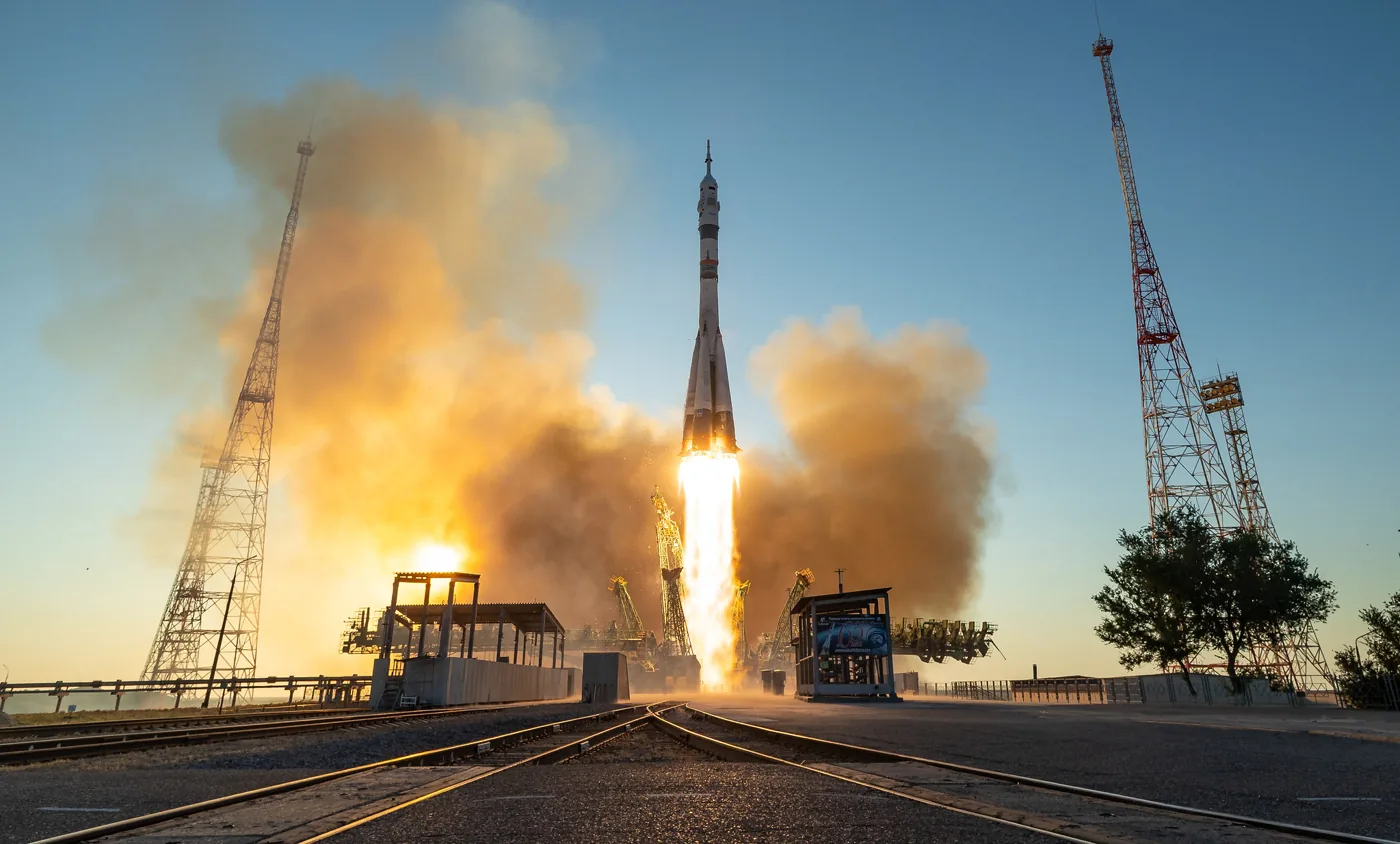
 Shared by @spacenewsinc.bsky.social ↗spacenews.com3mo ago

 Shared by @NASAHubble ↗
 go.nasa.gov3mo ago
 Shared by @drspacejunk.bsky.social ↗zoharesque.blogspot.com3mo ago

 Shared by @jozefimrich.bsky.social ↗
 futurism.com3mo ago
A New ISU
 Shared by @NASAWatch ↗

 independentspacenews.comSpaceX no longer needs NASA, and that's a problem for America's space agencyScience SenseiSpaceX No Longer Needs NASA — and That Threatens America’s Space Science
 RealClearInvestigationsWe Have A Problem Houston: SpaceX Doesn't Need NASA
 Shared by @NASAWatch ↗
 nasawatch.com3mo ago
 Shared by @SpaceNews_Inc ↗spacenews.com3mo ago

 Shared by @erikhoffner.bsky.social ↗
 universemagazine.com3mo ago
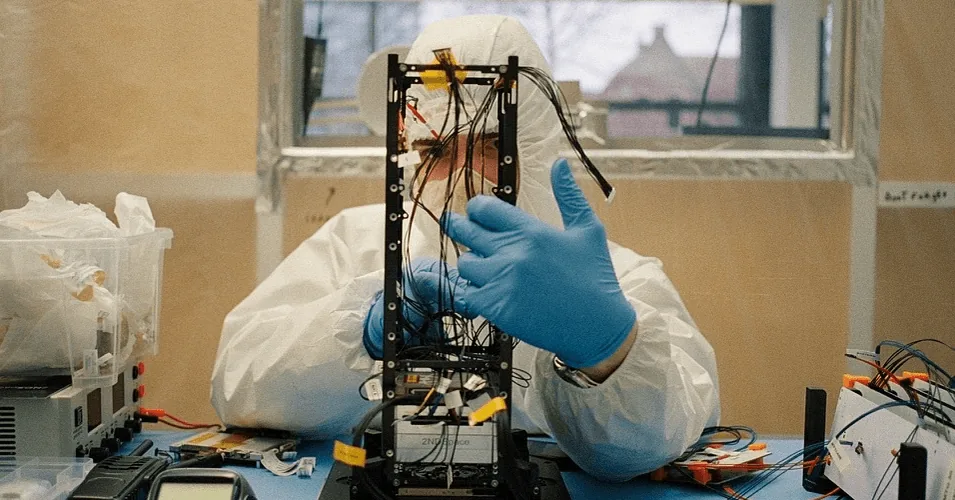
 Shared by @ffcosta.bsky.social ↗
 wired.com3mo ago
 streakshot
 qazinform.com
 PetaPixel


 rss.boorghani.com
 sumi

