
RoboHarm benchmark finds robot policies rarely refuse dangerous physical instructions›via Deniz Genc
More on this topic3 sources · 3 articles

 Shared by @the-14.com ↗
 the-14.com1mo ago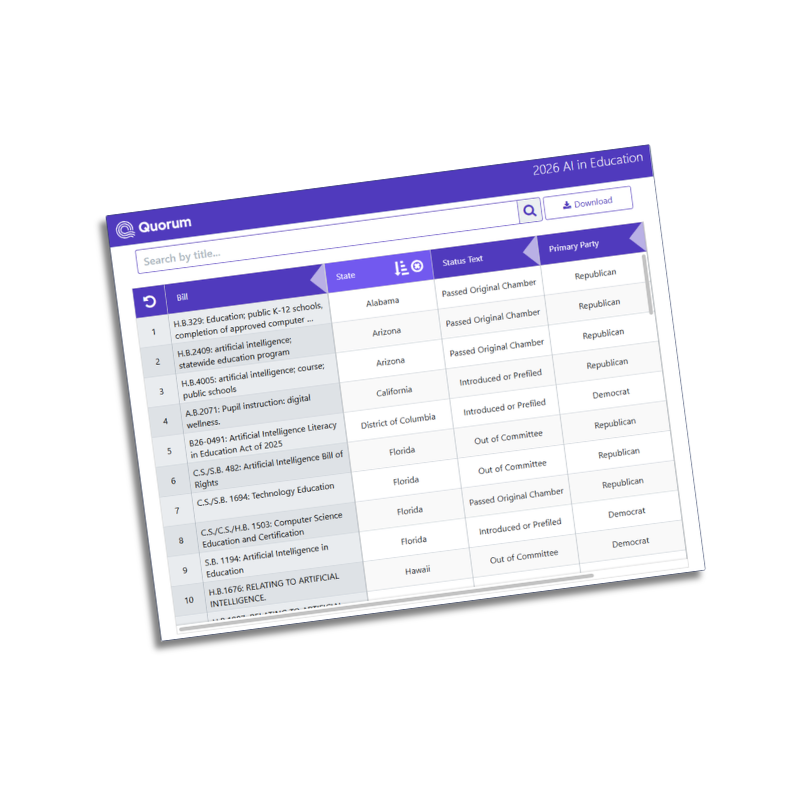
 Shared by @davidpblross.bsky.social ↗
 future-ed.org1mo ago
 Shared by @skatsanevakis.bsky.social ↗
 wwf.eu1mo ago
 Ars TechnicaUS Government Removes Chinese AI Model From Federal Register Website Amidst FBI Warnings
 Security CafeUS government website used Chinese model the FBI called "malicious"
The taxonomy aims to establish a unified framework for classifying sustainable economic activities and providing accurate, reliable, and verified data on projects that meet environmental and social sustainability standards
 zawya.com·@bigearthdata.ai·1mo ago·2 min read
During the heyday of AT&T, it was often said that the telephone system was the largest machine ever built. The "hello machine" certainly was vast, but whether or not you consider it to be a single machine raises challenging questions of definition. The In
 computer.rip·Hacker News: Front Page·1mo ago·43 min read
 Towards AIYour AI Agent’s Reasoning Isn’t as Private as You Think
 Shared by @utrgv-edtech.bsky.social ↗
 techlearning.com2mo ago
 Shared by @profsecchi.bsky.social ↗
 aces.illinois.edu2mo ago
 Shared by @citizenptnewsus.bsky.social ↗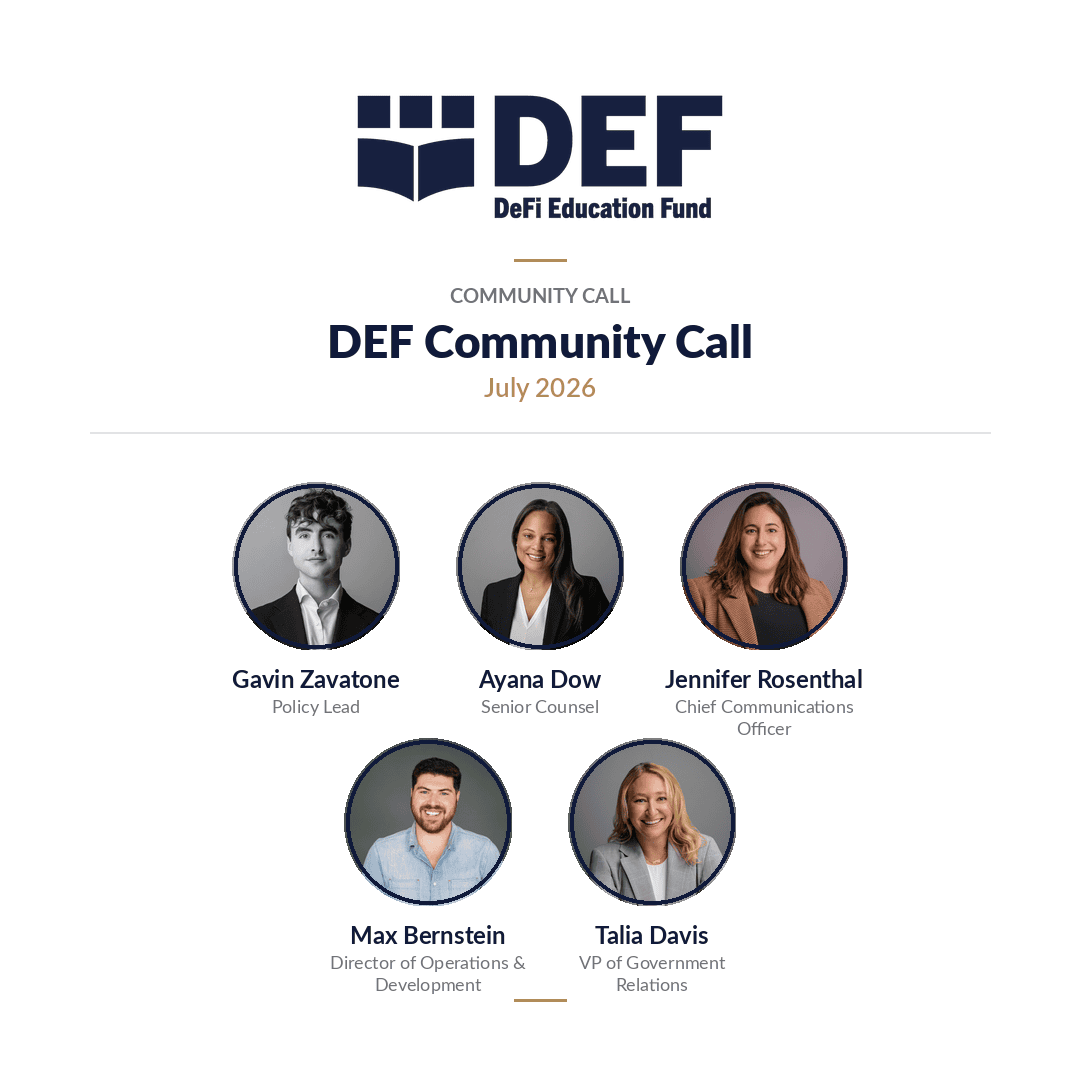
 Shared by @fund_defi ↗
 defieducationfund.org2mo ago
 Shared by @utrgv-edtech.bsky.social ↗
 the74million.org2mo ago
 Shared by @economist.com ↗
 economist.com2mo ago
 Shared by @fairmediawatch.bsky.social ↗
 fair.org2mo ago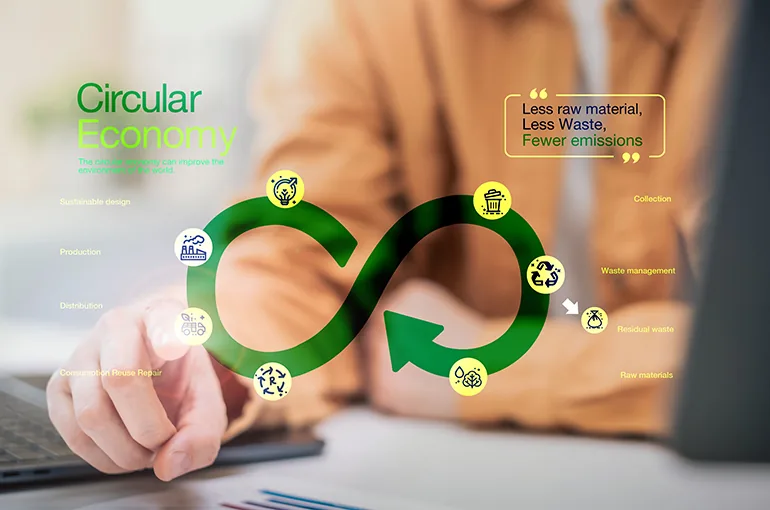
 Shared by @yicaiglobal.bsky.social ↗
 yicaiglobal.com2mo ago
 Shared by @mymodernmet.bsky.social ↗
 mymodernmet.com2mo ago
Anthropic's Claude Fable policy turns coding assistants into non-neutral infrastructure for product companies.
 jonready.com3mo ago

 machinebrief.com
 Deniz Genc
 Parallel Quant