























Science roundupFriday 6 November 2026

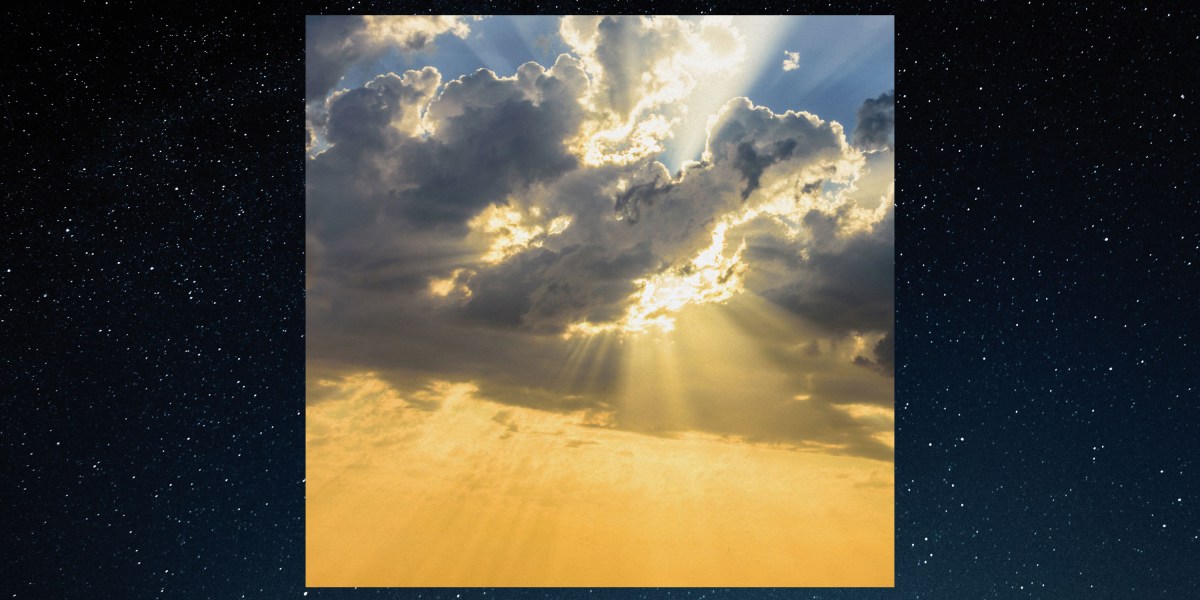
Space mirrors could ruin the night sky

Astronomers are warning that a company's plan to deploy space mirrors could brighten the night sky far beyond what we've seen. Meanwhile, research on black hole origins and the neuroscience of spectating violence offers fresh angles on cosmic and behavioral questions.

In today's edition: Night sky under threat and Cosmic origins and behavior, plus quick bites.

Night sky under threat

The biggest story today is a warning about commercial space mirrors that could fundamentally alter how we see the stars.

Cosmic origins and behavior

Elsewhere, scientists are digging into the origins of binary black holes and the surprising effects of watching violence.

astrobites.org · 7 min

0
Where do binary black holes come from?

By combining supercomputer simulations of star clusters with cosmic star formation history, this study tries to pin down which environments actually produce the binary black hole mergers LIGO-Virgo-KAGRA detect. It's a step toward answering one of gravitational wave astronomy's open questions.

pni.princeton.edu · 7 min

0
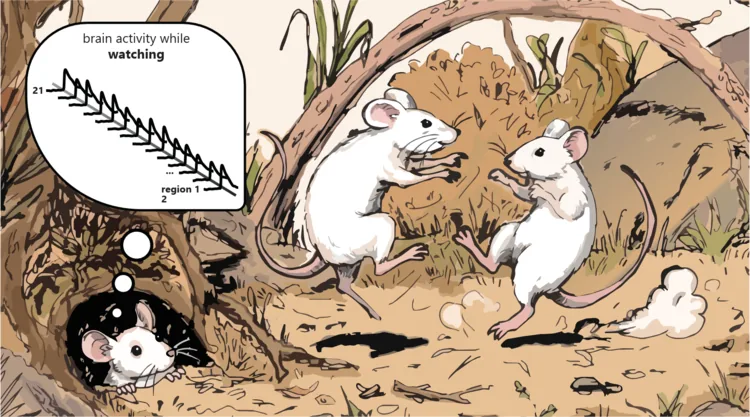
Mice that watch fights come away battle-ready

Princeton researchers find that watching fights primes mice for combat, both neurologically and behaviorally. The implication is that spectating violence isn't passive; it's an evolutionary adaptation that prepares observers for potential conflict.

Quick bites