























Science roundupWednesday 28 October 2026

Time crystals, HWO architecture, and AI's scientific limits

Today's science news swings from the exotic to the structural. Physicists are proposing a liquid that flows in time, NASA is detailing the architecture for its next big exoplanet hunter, and a BBC piece raises hard questions about AI's role in research. The through-line: science is pushing boundaries, but also checking its own foundations.

In today's edition: New states and new telescopes, AI under the microscope and Earth's fragile systems, plus quick bites.

New states and new telescopes

The day's most speculative and most concrete stories both push at the edges of what we can observe, from a temporal liquid to a future space observatory.

universetoday.com · 4 min

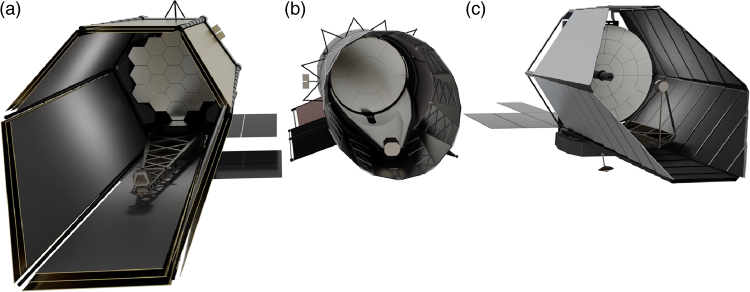
NASA Systems Engineering Team Details HWO Mission Architecture

NASA's systems engineering team is getting concrete about the Habitable Worlds Observatory, a mission that would directly image Earth-like exoplanets. The architecture details are a significant step, but the challenge of isolating faint planets from their stars remains the core technical hurdle.

AI under the microscope

AI's promise in science gets a reality check, with a BBC investigation into its reliability and a new method for updating models without retraining.

bbc.co.uk · 3 min

0
The maths bust-up fuelling fears that AI is undermining science

The BBC piece digs into Basecamp Research's effort to train an AI on 100 billion genes, but it's the skepticism that stands out. The story captures a growing worry that AI's scientific output, while impressive, may not be trustworthy enough to underpin real discoveries.

Earth's fragile systems

From vanishing estuary forests to a stalled cyclone, the planet's vulnerabilities are on display.

coastalreview.org

0
Albemarle-Pamlico has lost a fifth of estuary forests: Study

The Albemarle-Pamlico estuary has lost a fifth of its forests, even in protected areas. That's a stark signal that environmental stressors are reaching places we assumed were safe, and it raises questions about what 'protected' really means.

Quick bites