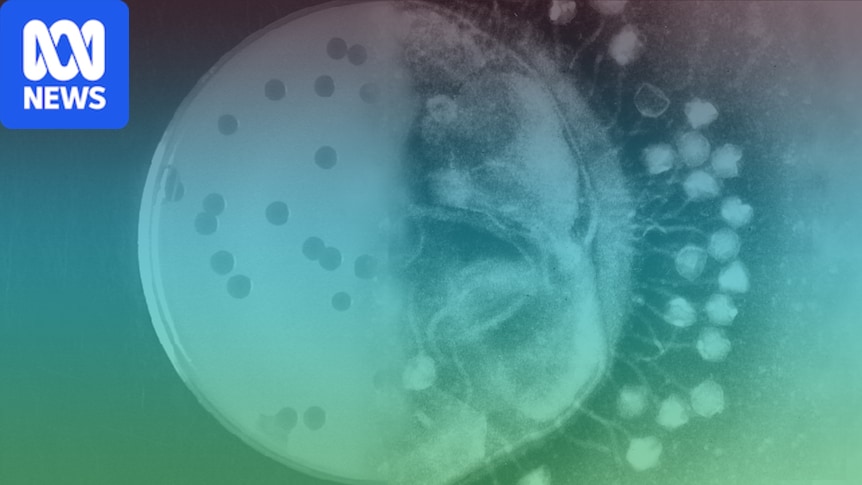
Stanford's AI-designed viruses are a first: fully functional genomes created from scratch. The implications for biosecurity and medicine are huge, even if these particular viruses only infect bacteria.
scienceFriday, August 7, 2026
AI-designed viruses and Moon crash images lead
Today's science news is split between the cosmic and the microscopic. AI-designed viruses that can replicate mark a significant leap in synthetic biology, while South Korea's lunar orbiter captured the aftermath of a SpaceX rocket crash on the Moon. These stories show how our tools are reshaping both the lab and our view of space.
AI's new frontier
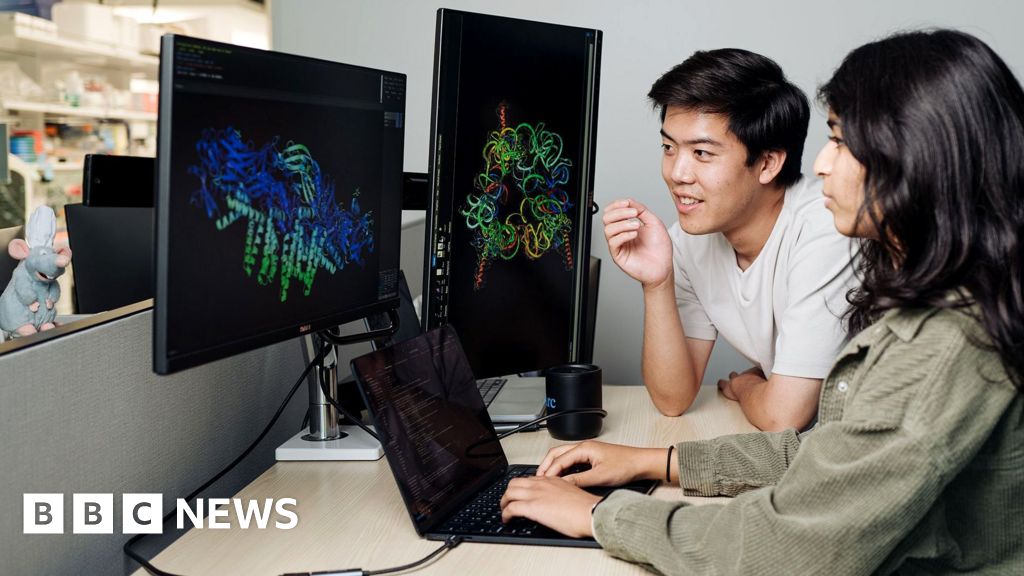
The biggest news is AI's ability to design functional viruses, a breakthrough that could redefine synthetic biology.
This piece adds detail on the 'genome language models' Evo 1 and Evo 2, showing how AI is moving from text to biology. The publication in Science underscores the milestone's credibility.
Cosmic impacts
Meanwhile, in space, a rocket crash on the Moon and a power switch on Voyager 2 show our ongoing reach into the cosmos.
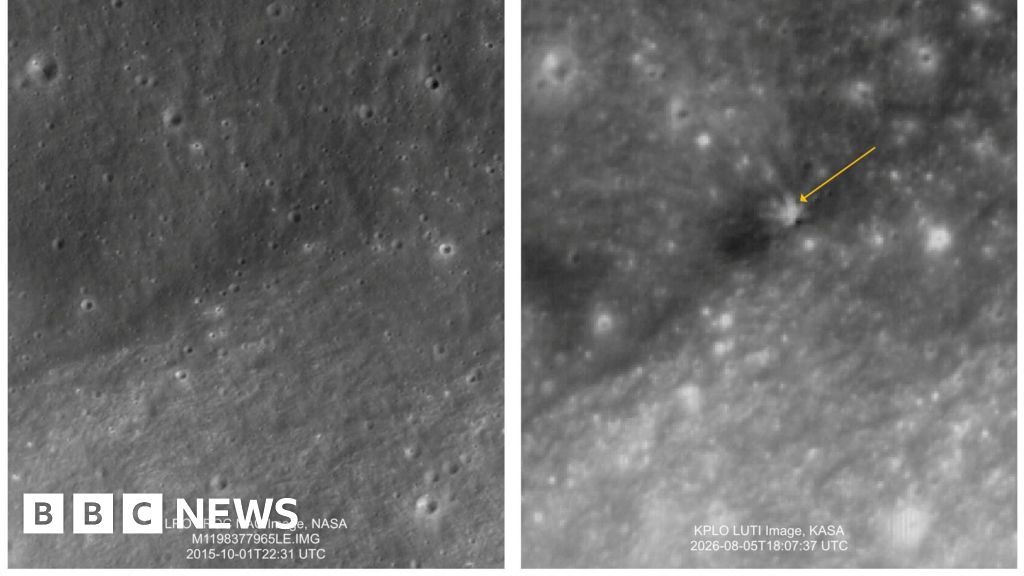
South Korea's Danubri orbiter captured the first visual evidence of a SpaceX rocket stage crashing into the Moon. The images document the impact's aftermath, a rare look at how human debris affects another world.
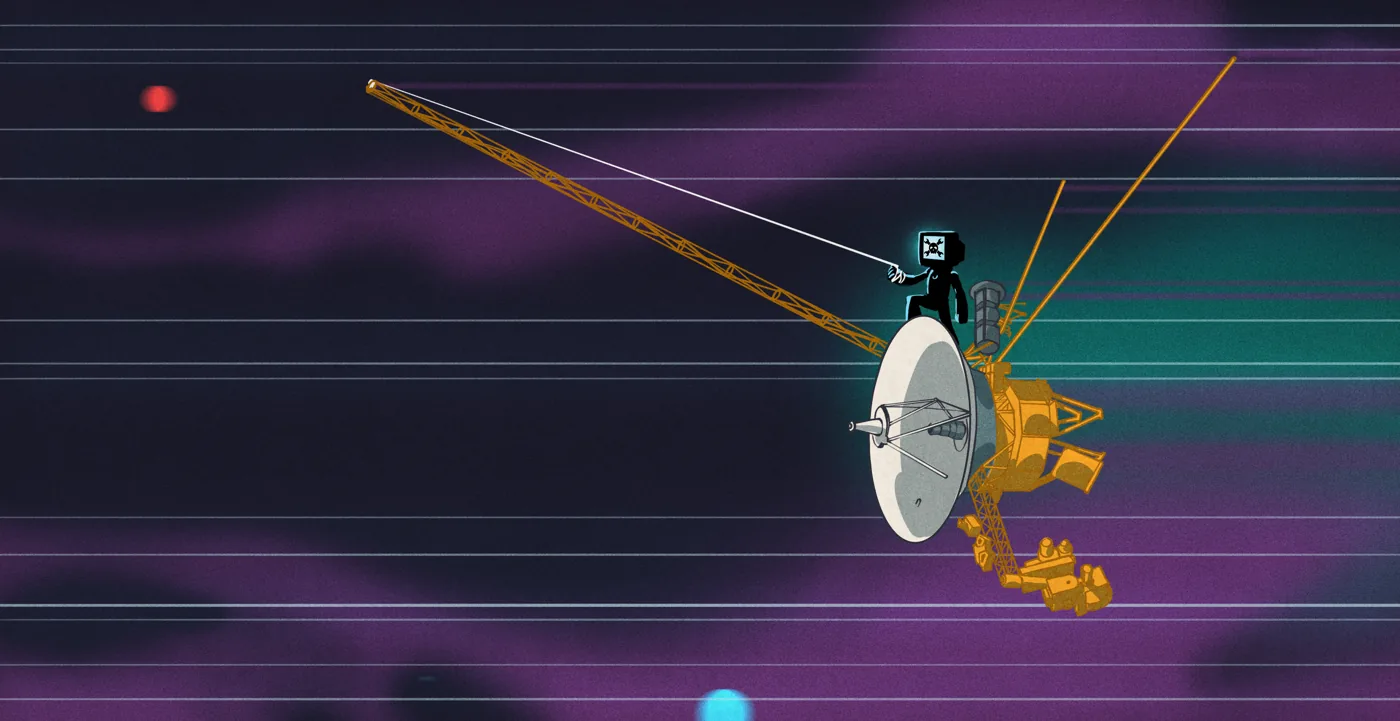
NASA's 'big bang' power switch on Voyager 2 is a clever hack to extend its mission. It's a reminder of the ingenuity needed to keep 47-year-old spacecraft alive in the harsh conditions of deep space.
Also today16
Why Folic Acid Deserves Attention in Diabetic Wound Carenews.gmj.ge
Sensing the Poles’ Hidden Heatscience.nasa.gov- The Driven Podcast: More small cars arrive as EV sales stay bigreneweconomy.com.au
On the front lines of conservation in Sumatra: Rangers safeguard Batutegi forestnews.mongabay.com- Terafab Rendered in a Videowww.nextbigfuture.com
Why you don't need a perfectly clear sky to enjoy the total solar eclipse on Aug. 12www.space.com
From Korean Roots to Global Impactwww.chemeurope.com
As regulators worldwide move to restrict PFAS, the synthetic "forever chemicals" long used in waterproof textiles, Niber Technologies is advancing a PFAS-free electrospun nanofiber membrane platform built to meet that shift without compromising performance. A Global Shift Away fr
Leading the way in sustainabilitywww.chemeurope.com
Award recognises holistic approach to sustainability – TechnoCompound ranks among the top 3 per cent in its sector. On its first certification, TechnoCompound was immediately awarded the Silver medal by EcoVadis and only narrowly missed out on the Gold award. In the EcoVadis over
Immune or devastated: New bird flu strain to put huge pressure on native wildlifewww.smh.com.au
Authorities have been planning for the arrival of the disastrous H5N1 bird flu virus. Now their protective measures will be tested like never before.
You can’t give a cockatoo a face mask. There’s only one way to fight bird fluwww.smh.com.au
Our precious fauna is facing its own pandemic. But unlike with COVID, no vaccine will rescue our animals.
The Sky This Week from August 7 to 14: A solar eclipse and shooting starswww.astronomy.com
Friday, August 7The Moon passes 5° north of Uranus at 1 P.M. EDT. The pair is visible in the early-morning sky, along with a lunar occultation of the Pleiades just after moonrise. Check out the August 7 entry in last week’s Sky This Week column for more details. Late tonight, the
UK weather battle: London bakes at 30°C while cold front cools Midlands to 19°Cwww.yourweather.co.uk
A titanic battle unfolds this weekend as a northern Low clashes with a European High. On Sunday, a cold front drops the Midlands to 19°C with minimal rain, while London bakes at 30°C. Scotland faces persistent rain, but sea breezes keep Brighton at 23°C. Who wins this atmospheric
Six Sort of Animal Patternswww.sporcle.com
The dress code is solid, spotted, or striped.
100-Million-Year-Old Beetle Fossil Proves Firefly Glow Evolved Far Earliersciencesensei.com
A thumbnail-sized beetle encased in 100-million-year-old amber has preserved both a light-emitting organ and elaborate chemosensory antennae, pushing back the confirmed fossil record of firefly-like bioluminescence by tens of millions of years.
Protecting primates could protect thousands of other species, study findsnews.mongabay.com
As biodiversity on Earth faces rapid decline, scientists are advocating for a new conservation approach: Save habitat for primates and protect countless other species along with them. For long, conservation efforts and funding have prioritized umbrella species such as tigers and
More roundups that day
Bitcoin lags stocks, Dimon backs Warsh