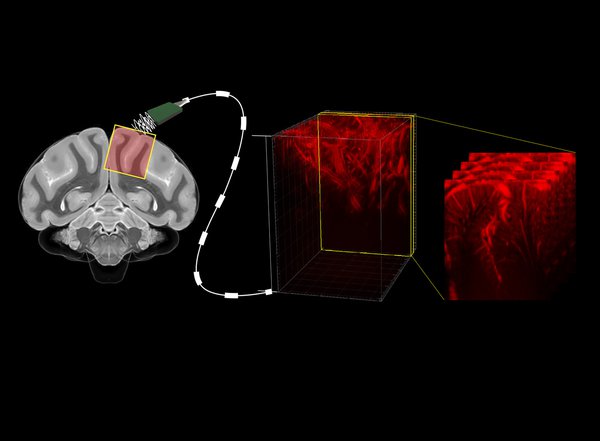
Caltech's functional ultrasound BMI reads blood flow to predict intended movements, offering a less invasive alternative to electrode implants while maintaining high accuracy.
scienceSunday, July 5, 2026
Ultrasound reads minds, quantum simulates quarks
Today's science news balances the invasive and the invisible. Caltech's ultrasound brain-machine interface offers a gentler way to decode intentions, while LBNL uses 104 qubits to simulate how quarks bind. Both push boundaries without breaking them.
Brain and qubits
Two stories show how less invasive tools can still probe deep complexity.
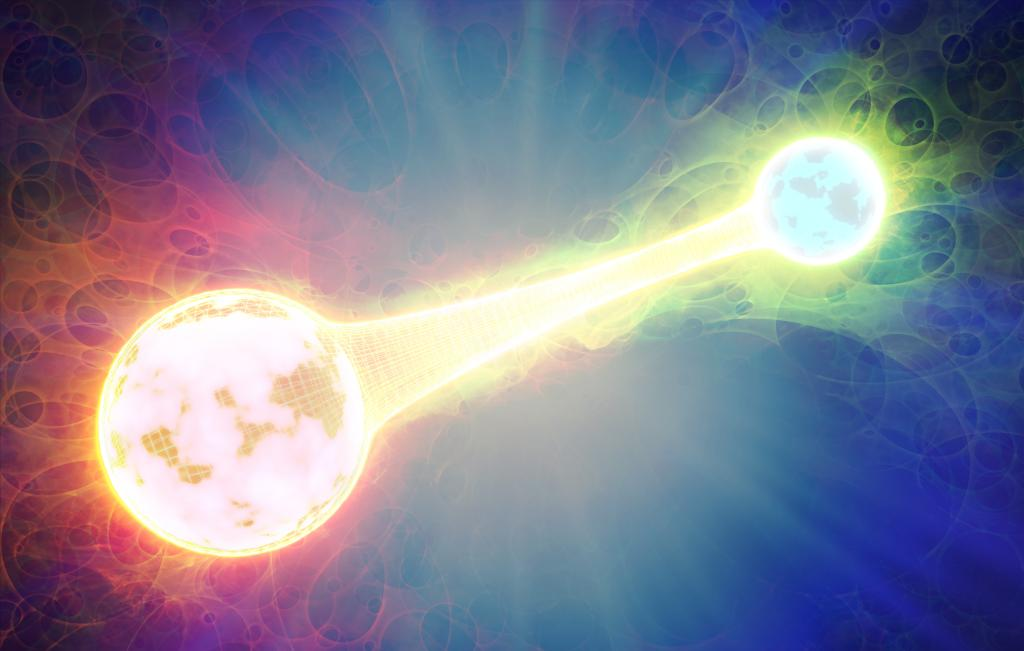
LBNL simulated hadronization on IBM's Heron processor using 104 qubits, a practical step toward using quantum computers for particle physics.
Policy and practice
Meanwhile, the politics of science funding and the culture of open research draw attention.
The Trump administration's proposed rule would let political appointees review and terminate federal research grants, threatening peer review and scientific autonomy.
Molecular biologist Steven Henikoff reflects on practicing open science before it had a name, sharing protocols and data that advanced chromatin research.
Also today4
Victoria-designed satellite heading to orbit aboard SpaceX rocket from Californiawww.ctvnews.ca
University of Sydney and IBM Quantify Mid-Circuit Measurement Bottlenecks to Advance Fault-Tolerant Logiciq.fp2.dev
The Violinist Who Solved the Ancient Riddle of How the World Holds Togetherwww.themarginalian.org
AI enables major advance in ocean observationconnectsci.au
More roundups that day
Palantir's NHS waiting list claim questioned
Courtney Love breaks down label math
Disability representation and poetry both make history