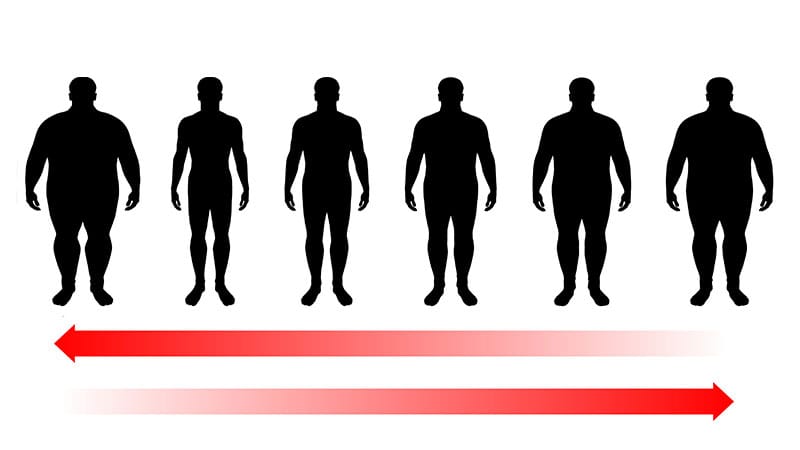
The piece warns that weight regain after stopping GLP-1 drugs isn't just a physical setback, it's hitting mental health hard, with depression and loss of confidence. Doctors are being told to set realistic expectations early, but the real story is that many patients weren't prepared for the emotional crash.
personalWednesday, September 9, 2026
The cost of GLP-1 weight regain hits mental health
Today's personal finance and wellness stories are less about saving money and more about the hidden costs of modern life: the emotional toll of weight regain after stopping GLP-1 drugs, the risks of misdiagnosing trauma, and the quiet creep of surveillance in our own homes. It's a day for looking at the fine print.
The hidden costs of wellness
Two pieces today look at what happens when quick fixes or misdiagnoses leave you worse off than before.

Amen Clinics argues that trauma and grief are routinely misdiagnosed as ADHD, leading to antidepressants or stimulants that miss the real problem. The piece pushes EMDR as a brain-based alternative, but the bigger point is that a wrong diagnosis can waste years and make things worse.
Surveillance and simplicity
The other thread is about control: what you let into your home, and what you choose to leave out of your design.

A viral story about a kid asking Alexa Pokemon questions, then the mom allegedly getting creepy 'personal' responses. It's a reminder that the convenience of a smart speaker comes with a privacy trade-off that's still easy to forget until it hits close to home.
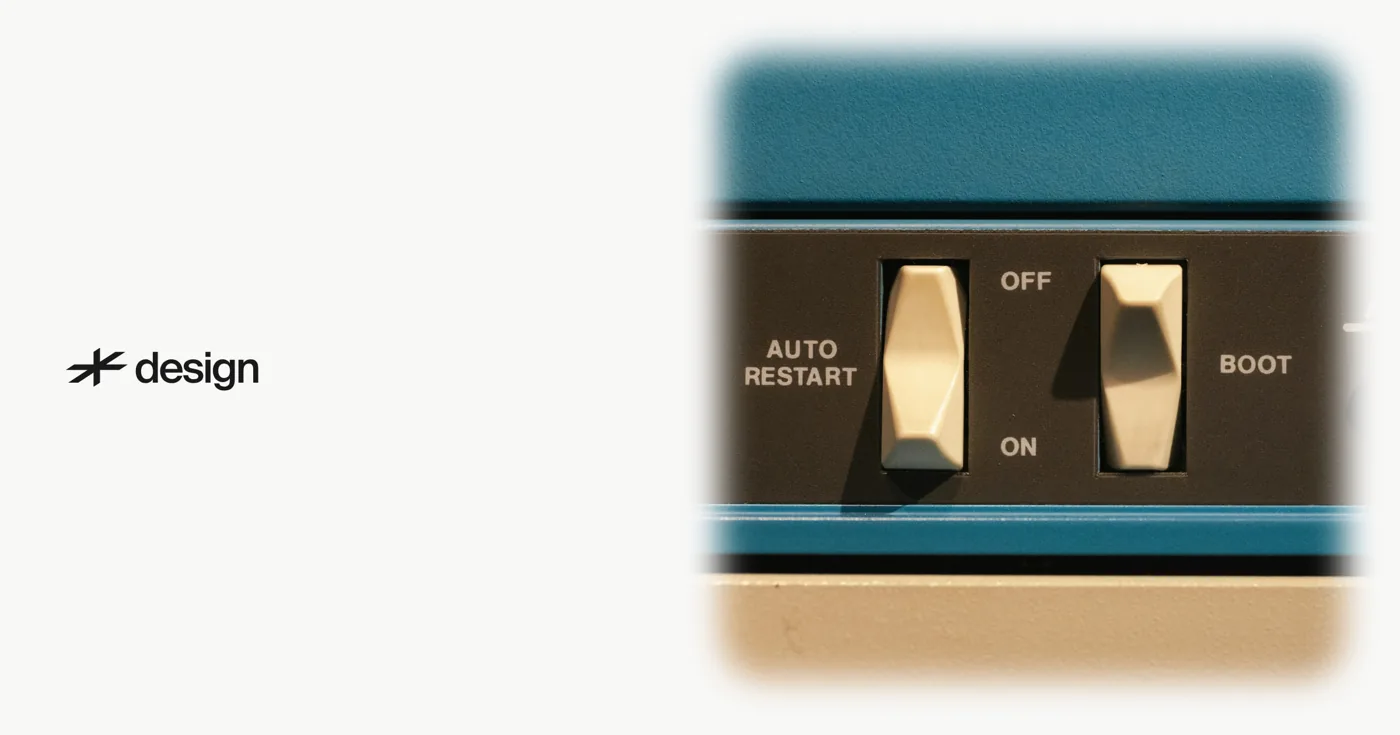
A design argument for cutting features and controls to focus on what matters. The logic is simple: attention and patience are finite, so fewer details means each one gets more care. It's a useful counterpoint to the constant pressure to add more.
Also today2
More roundups that day
Block bids for a national trust bank
Fewer details, clearer design