The piece reframes Huntington's as a disease with a long molecular fuse, not a sudden onset, opening a window for early intervention. Jeff Carroll's personal story grounds the science.
medical researchThursday, July 16, 2026
Today's medical research stories share a theme of precision: knowing exactly when a disease starts, where hidden risk lies, and how to intervene with technology. From the decades-long gap in Huntington's to a brain implant that restores movement, the day's pieces focus on timing and targeting.
Two stories highlight the gap between molecular markers and clinical symptoms, and what that means for intervention.

The piece reframes Huntington's as a disease with a long molecular fuse, not a sudden onset, opening a window for early intervention. Jeff Carroll's personal story grounds the science.
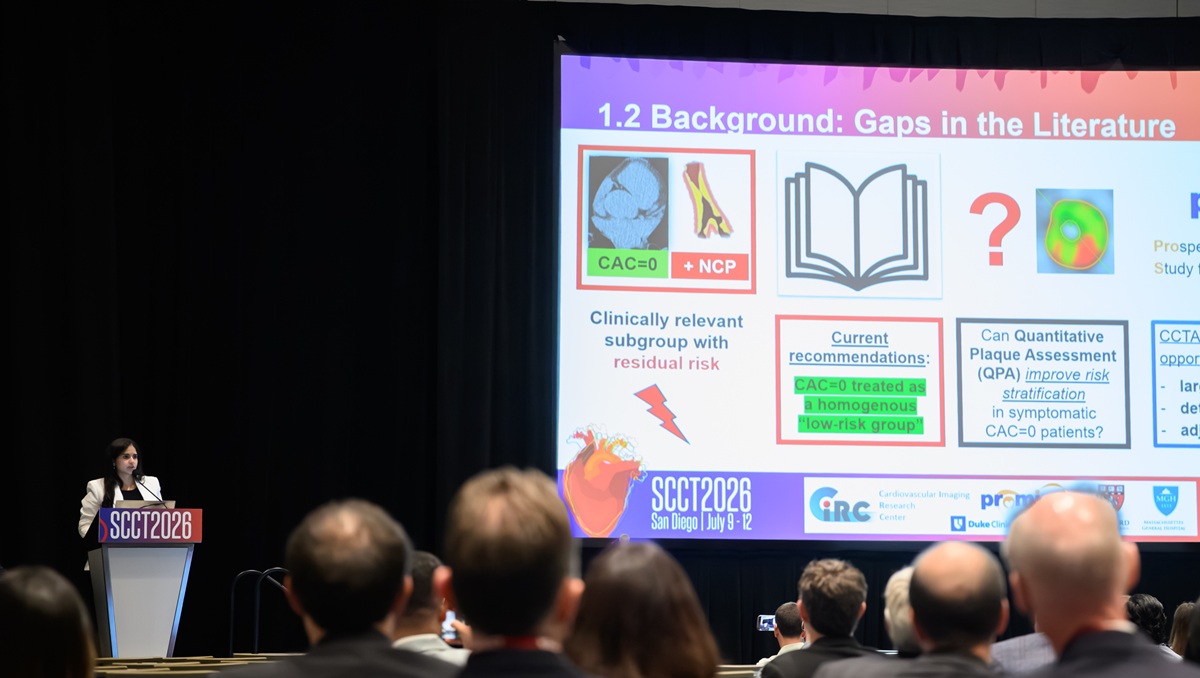
More than 10% of patients with zero CAC still have dangerous plaque on CCTA with QPA, challenging the assumption that a zero score means low risk. The debate over whether to add QPA to routine screening gets new fuel.
Brain-computer interfaces and AI are moving from lab to real-world use, with tangible patient benefits.

Keith Thomas can now feed himself after a 'double neural bypass' implant that bridges his spinal injury. The Guardian covers the feat with the patient's own experience, not just the engineering.
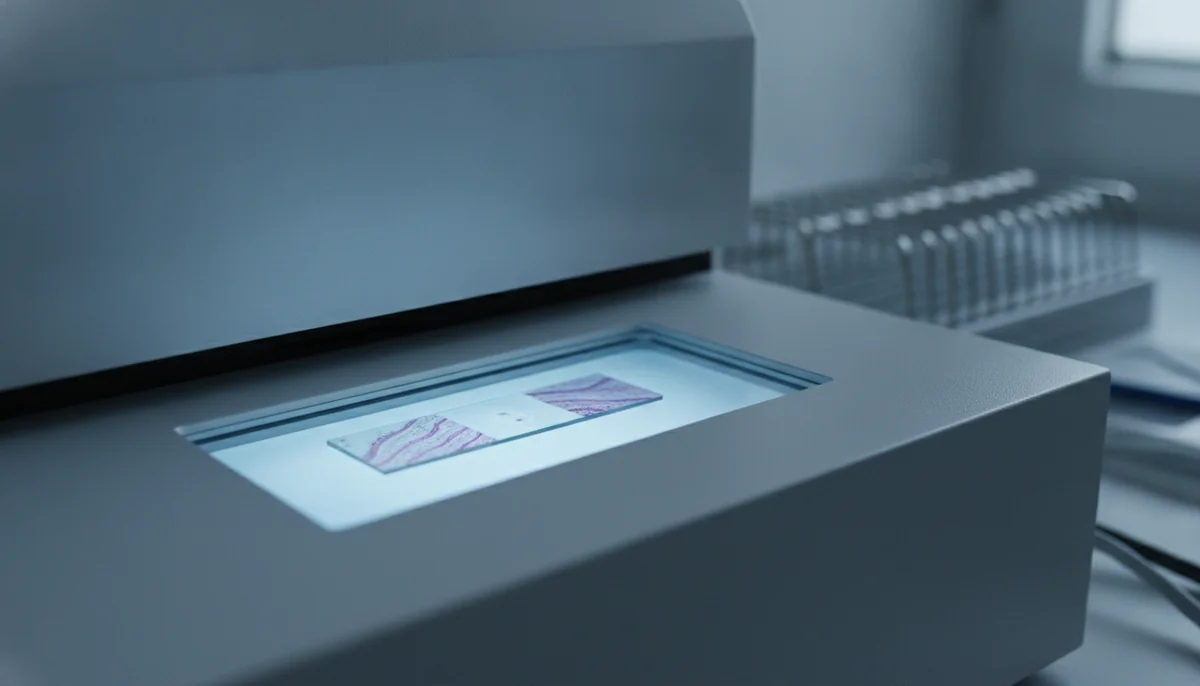
The Paige Prostate AI suite was deployed across three UK NHS trusts and improved diagnostic consistency while cutting turnaround times. The 1.3% rate of AI-prompted changes shows real-world impact, not just lab performance.
Two studies raise flags about common interventions: epidurals and GLP-1 agonists.

This large Scottish cohort study (nearly 500,000 women) found no association between epidural analgesia and neonatal neurological morbidity or cerebral palsy, providing reassurance but also noting a link to neonatal sepsis that warrants attention.

space exploration roundup
geopolitics roundup
inspiration roundup
ethics roundup
economics roundup
comics roundup