
























How to stop your ISP from tracking your browsing activity by changing your DNS settings
By
Patrick Campanale
Summary
This article explains how ISPs track users' browsing activity through DNS queries and other data collection methods, even when using "incognito" mode. It provides a step-by-step guide on how to change your DNS settings to a more private provider (like Cloudflare, Quad9, or NextDNS) as a quick privacy fix. The piece also covers the limitations of this approach, the broader privacy landscape including VPNs and encrypted DNS (DoH/DoT), and why ISP tracking matters for user privacy.
Source
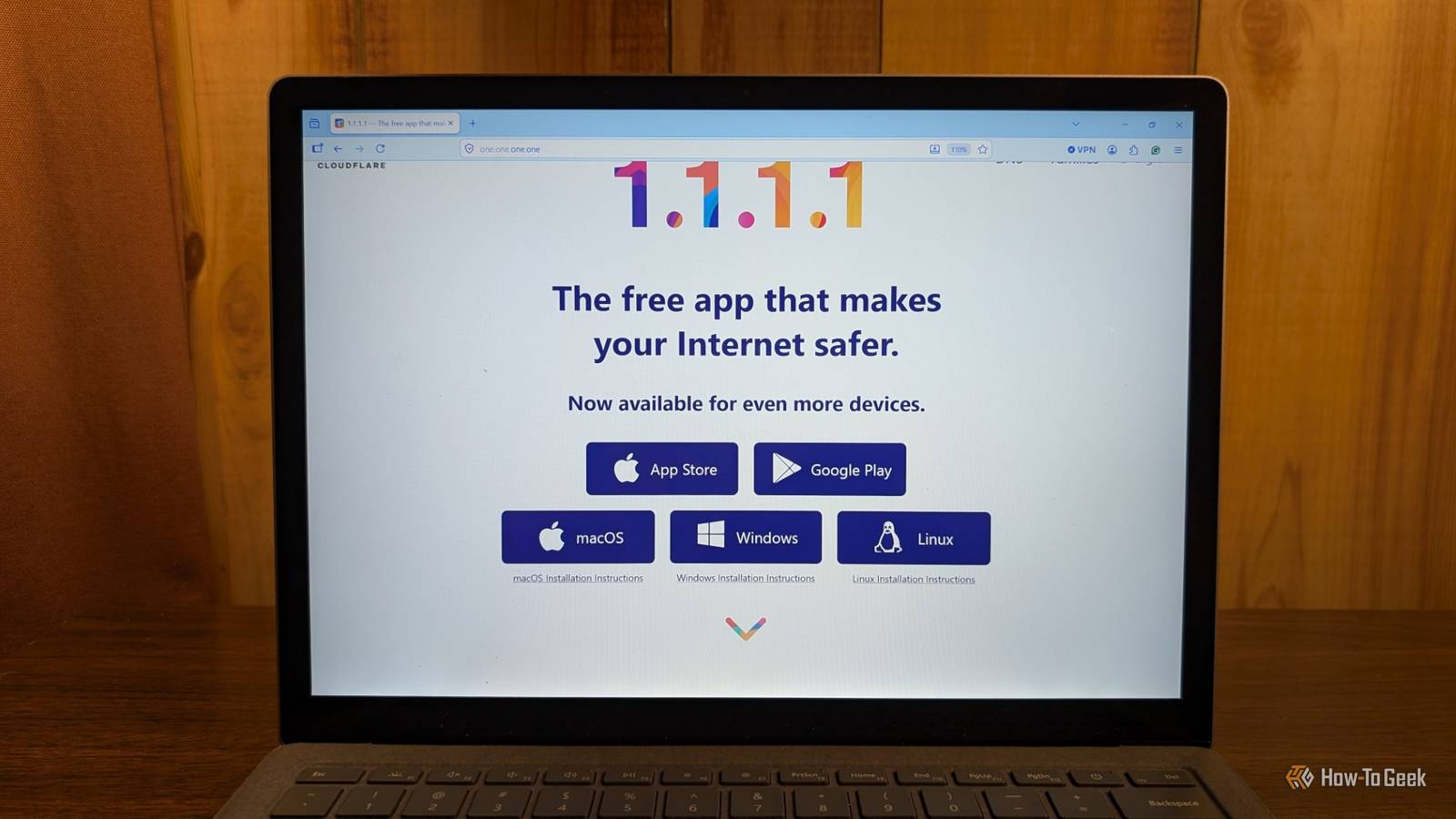
 bskyHow to stop your ISP from tracking your browsing activity by changing your DNS settingsift.tt
Key quotes
· 5 pulledYour internet service provider (ISP) is the gatekeeper of your online activity. Every website you visit, every app you use, and every search you make passes through their servers.
Changing your DNS server is one of the simplest and most effective ways to prevent your ISP from logging your browsing history.
Incognito mode doesn't hide your activity from your ISP—it only prevents your browser from storing your history locally.
DNS over HTTPS (DoH) encrypts your DNS queries, making it much harder for your ISP to see which websites you're trying to access.
While changing your DNS is a great first step, it's not a complete privacy solution. For full protection, consider using a VPN alongside encrypted DNS.
You might also wanna read


DNS Provider Quad9 Warns French Piracy Blocking Orders Threaten Its Existence
Non-profit DNS provider Quad9 faces an existential threat from French court orders requiring DNS providers to block access to pirate sports
 torrentfreak.com·7mo ago
Access - Route MCP server portal traffic through Cloudflare Gateway
DNS - Account-level enforce DNS-only
Access - Cloudflare admin activity logs capture creation of DNS over HTTP (DoH) users

Study Shows Google Tracks Users on DuckDuckGo Through Analytics and Embeds
A study reveals that Google tracks users even when they use DuckDuckGo through analytics and embeds, showing the extent of Google's web trac
simpleanalytics.com·11mo ago
Cloudflare Research: Carrier-Grade NAT Users Face Higher Risk of Internet Throttling
Cloudflare research reveals that users connecting through carrier-grade NAT (network address translation) are more likely to experience inte
 theregister.com·7mo ago
Comments
Sign in to join the conversation.
No comments yet. Be the first.