
























Dr Nick van Terheyden on AI Fear, Healthcare Business Models, and Digital Transformation Myths
Welcome to Pulse: Amplify, where we sit down with the leaders and changemakers shaping the future of health. Dr Nick (van Terheyden) brings his trademark frankness to Pulse, unpacking AI panic…
Read the full articleYou might also wanna read
Anthropic’s Mythos Could Fuel Healthcare Cyberattacks
A new report warns healthcare leaders about an emerging AI-powered threat that can identify and exploit cybersecurity vulnerabilities.
Why AI Agents Are Creating a New Identity Security Challenge for Healthcare Organizations
Artificial intelligence is rapidly transforming healthcare operations. From automating administrative workflows and IT support functions to

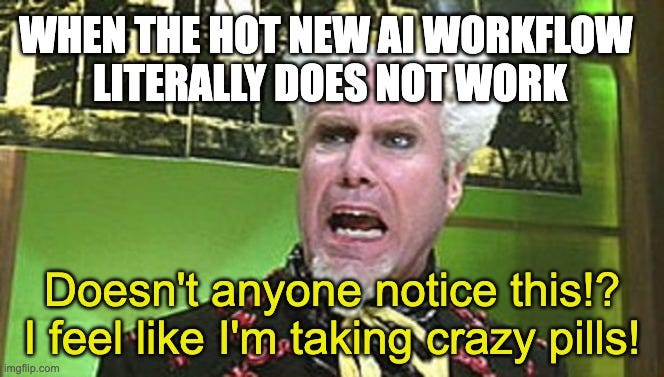
The AI Confidence Theater: A critique of hype cycles and performative certainty in tech discourse
We don’t need an extra reason to be anxious
 elenaverna.com·14d ago
The AI Confidence Theater: A critique of hype cycles and performative certainty in tech discourse
We don’t need an extra reason to be anxious
elenaverna.com·14d agoThe AI Confidence Theater: A critique of hype cycles and performative certainty in tech discourse
We don’t need an extra reason to be anxious
elenaverna.com·14d agoThe AI Confidence Theater: A critique of hype cycles and performative certainty in tech discourse
We don’t need an extra reason to be anxious
elenaverna.com·14d agoHow to Build Agentic AI in Healthcare: The Future of Intelligent Care
Discover how Agentic AI in Healthcare is transforming patient care, boosting efficiency, and shaping the future of intelligent healthcare.

Physicians Face Liability Risks as AI Diagnostic Tools Enter Clinical Medicine
For all its promise and computational power, will AI in clinical medicine overcome physicians’ concerns?
 mdsc.pe·21d ago
AI companies use fear as a marketing strategy for their powerful systems
They built it. They're scared of it. They're selling it anyway.
 BBC·1mo ago
AI companies use fear as a marketing strategy for their powerful systems
They built it. They're scared of it. They're selling it anyway.
BBC·1mo ago
Comments
Sign in to join the conversation.
No comments yet. Be the first.