
























Tobias Wolff Discusses Writing, Forged Letters, and His Novel Old School in 2003 Interview
By
Interviewed by Jack Livings
Summary
An interview with acclaimed author Tobias Wolff, conducted in the summer of 2003 at his home in northern California. Wolff discusses his recently completed novel Old School, reflects on his time as a student at the Hill School where he forged recommendation letters, and shares insights into his writing process and literary career. The interview covers his formative experiences, his approach to fiction, and the craft of writing.
Source
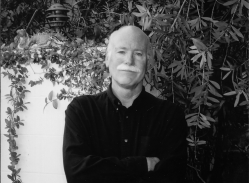
 Twitter / XTobias Wolff Discusses Writing, Forged Letters, and His Novel Old School in 2003 Interviewtheparisreview.org
Key quotes
· 3 pulledAll I need is a window not to write.
To get in, he forged his own letters of recommendation; two years later, he was asked to leave—for failing math and other crimes, among them 'eating potato chips while leaning.'
He had just returned from ten months in Rome, where he finished work on his eighth book, Old School.
You might also wanna read


Richard Wolff: Europe's "Russian danger" discourse masks deeper structural decline
Richard Wolff analyzes the post-WWII reconstruction of Europe and draws parallels to contemporary geopolitical tensions, particularly the di
 therealnews.com·1mo ago
Reviewing Wes Streeting's Autobiography: Childhood in Tower Hamlets and Political Rise
A review and reflection on Wes Streeting's autobiography, which covers his turbulent childhood in Tower Hamlets and political awakening. The
 diamondgeezer.blogspot.com·1mo ago
Crafting Big Scenes: The Writer's Challenge of Dialogue and Subtext
A reflective piece on the craft of writing, focusing on the pressure writers face when approaching pivotal "Big Scenes" in their scripts. Th
 nofilmschool.com·12d ago
The Value of Unconventional Writing Advice: Lucy Ives' "three six five" and the Tradition of Creative Guides
This article explores the tradition of unconventional and esoteric writing advice, using Lucy Ives' new collection "three six five" as a spr
 newyorker.com·1mo ago
Growing Up in Sea Gate: A Memoir of Privilege, Isolation, and Jeffrey Epstein's Neighborhood
A personal memoir about growing up in Sea Gate, a gated community on Coney Island, in the 1960s. The author reflects on the stark contrast b
 Rolling Stone·2mo ago
Comments
Sign in to join the conversation.
No comments yet. Be the first.