
























X-Ray Polarization in SN 1006 Southwest Shows Spatial Variations and Differences in the Radio Band
Ping Zhou et al 2025 ApJ 986 210 The supernova remnant SN 1006 shows a high degree of X-ray polarization, and the degree of polarization varies with location; the polarization is lower where the…
Read the full articleYou might also wanna read


Chandra Observatory reveals surprising X-ray brightness variations in supernova remnants of galaxy M83
This graphic shows two of the X-ray sources in a nearby galaxy that are changing their brightness in surprising ways as described in our lat
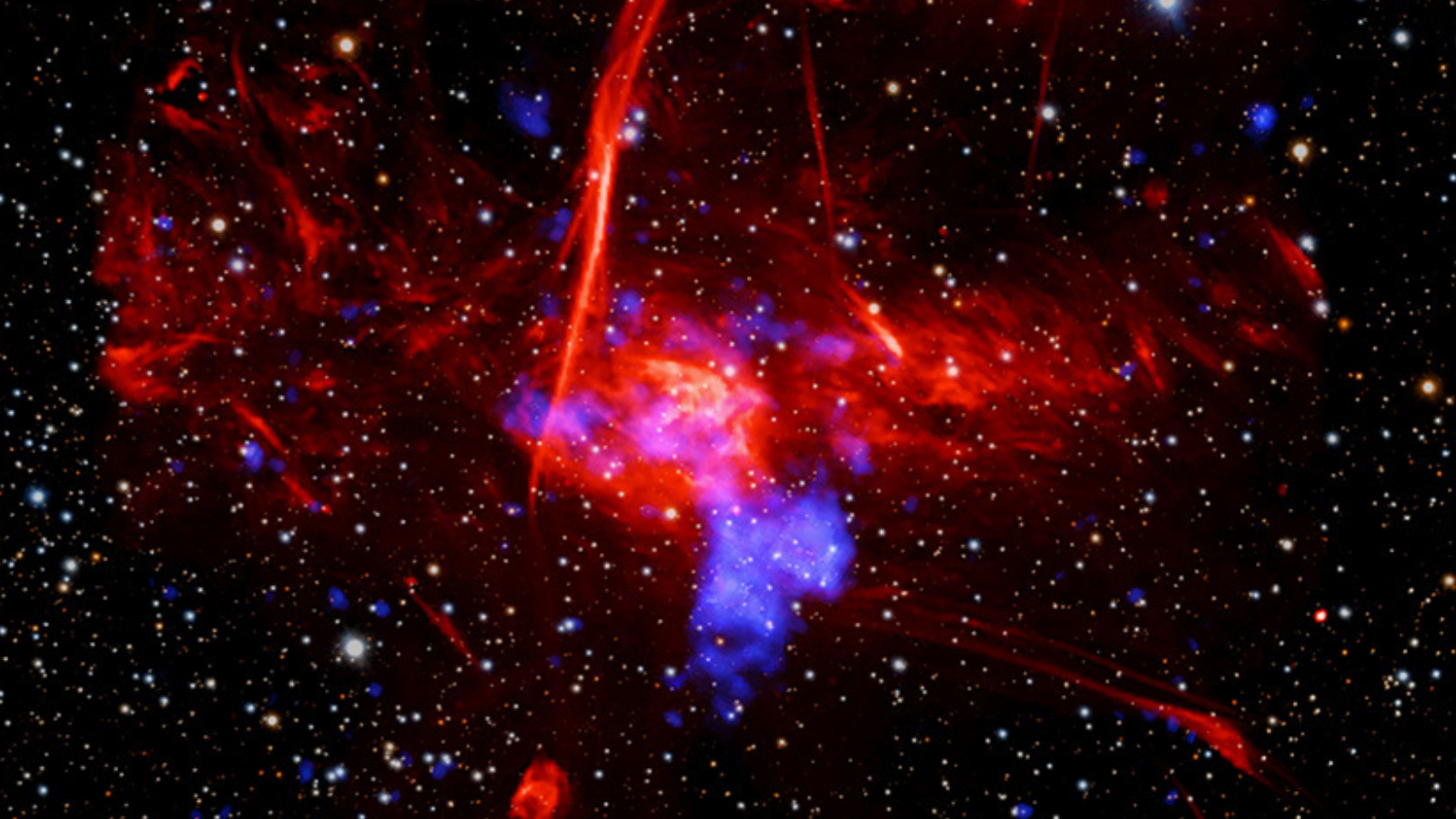
NASA's Chandra X-ray Observatory detects supernova debris near Milky Way's supermassive black hole
The dead star erupted around 1,700 years ago. It ejected material at around 2 million miles per hour.
 space.com·24d ago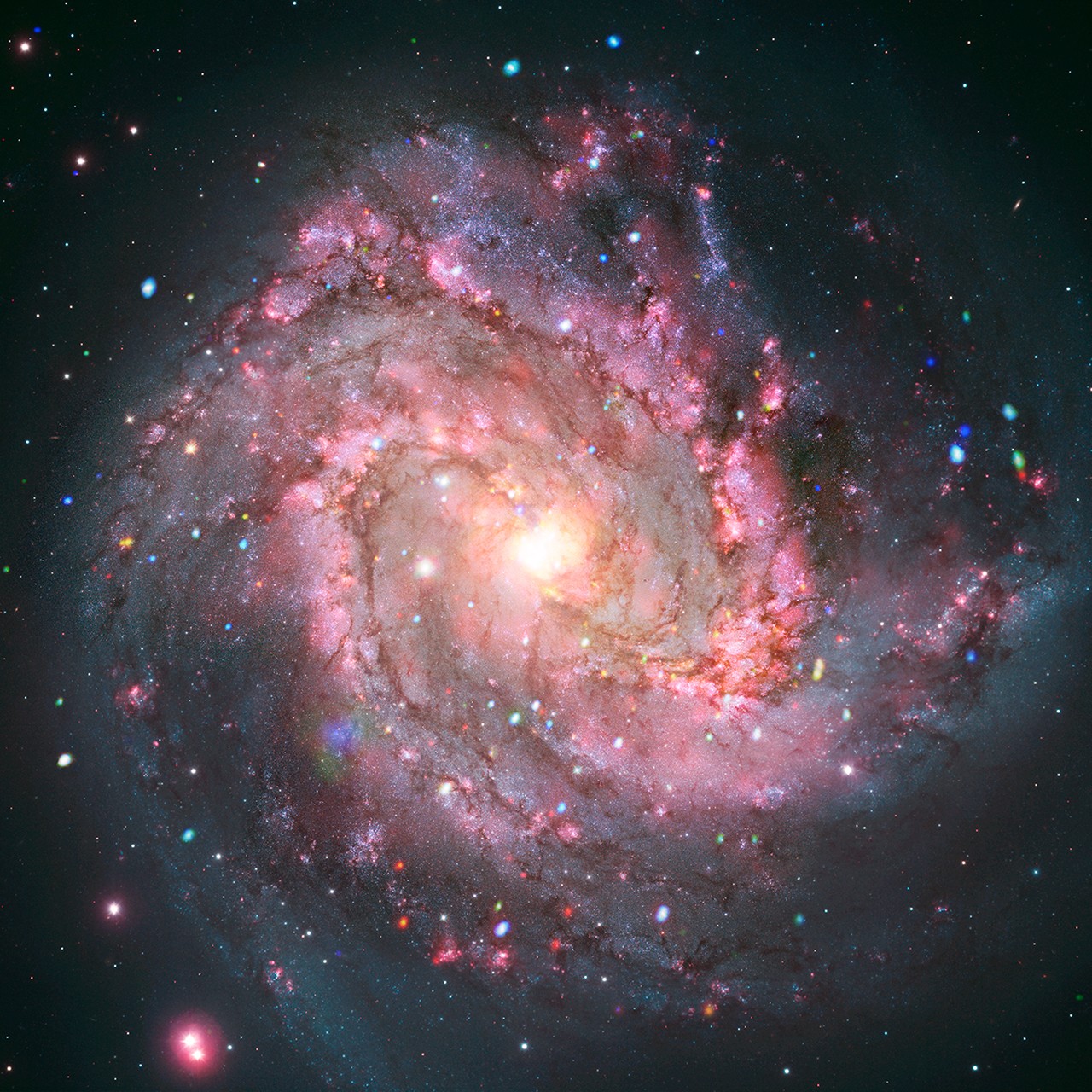
NASA's Chandra Observatory Discovers Unexpected Brightness Changes in Supernova Remnants in Galaxy M83
Over a 14-year period from 2000 to 2014, astronomers pointed NASA’s X-ray observatory at the M83 galaxy. They discovered that about half of
 science.nasa.gov·20d ago
XMM-Newton and Chandra data reveal Milky Way's outer spiral arms are 10% farther than previously thought
The European Space Agency’s XMM-Newton and NASA’s Chandra X-ray space telescopes have spotted the aftermath of three bright explosions echoi
XMM-Newton and Chandra data reveal Milky Way's outer spiral arms are 10% farther than previously thought
The European Space Agency’s XMM-Newton and NASA’s Chandra X-ray space telescopes have spotted the aftermath of three bright explosions echoi
Spectroscopic Classification of ASASSN-25cm as a Classical Nova
Original link submitted from IFL Science: Comments URL: Points: 12 # Comments: 1
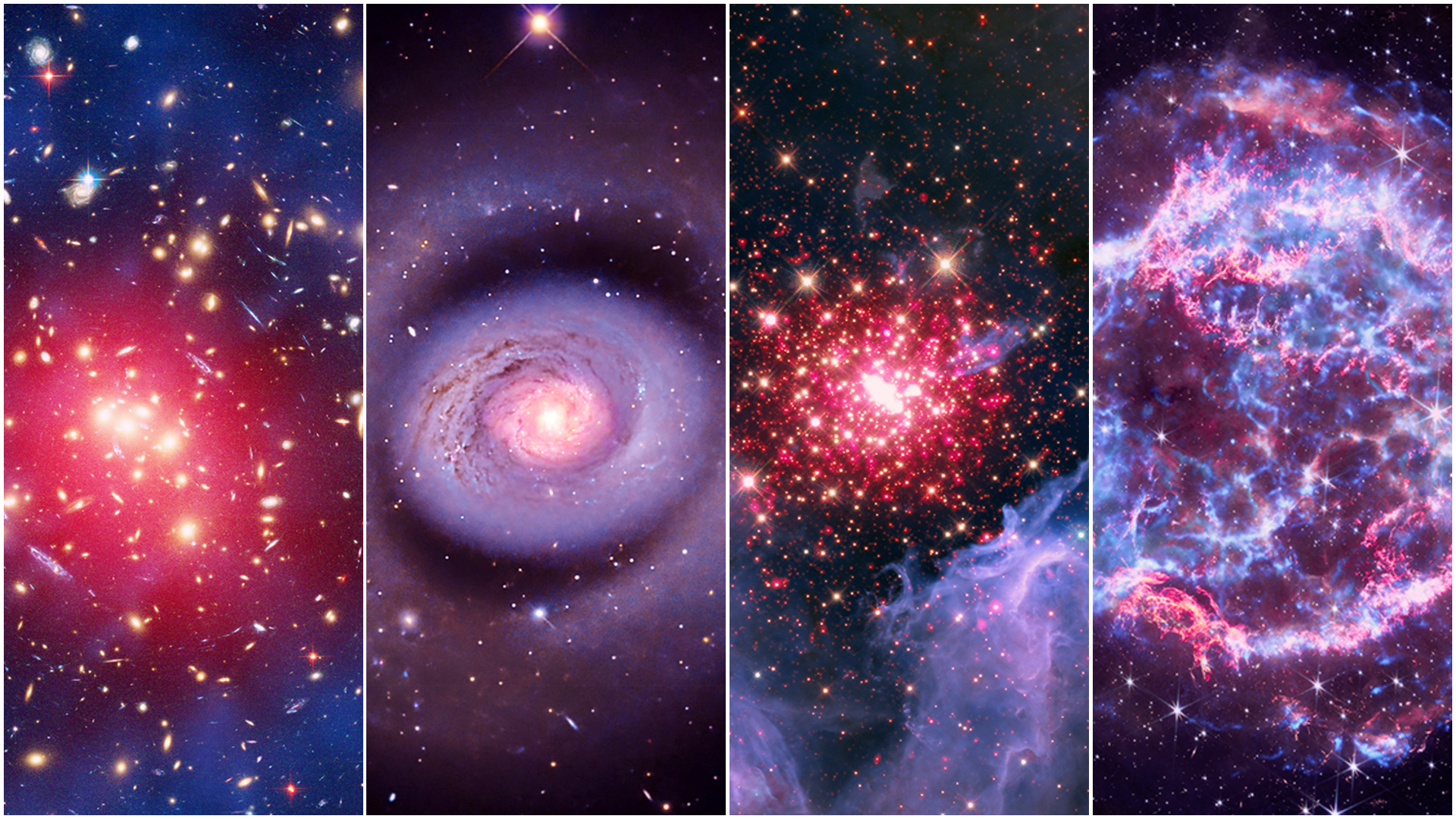
NASA's Chandra X-ray Observatory releases red, white and blue cosmic images for America's 250th anniversary
NASA's Chandra X-ray observatory, Hubble Space Telescope and James Webb Space Telescope teamed up to produce these gorgeous cosmic fireworks
 space.com·8d ago
NASA's Chandra X-ray Observatory releases red, white and blue cosmic images for America's 250th anniversary
NASA's Chandra X-ray observatory, Hubble Space Telescope and James Webb Space Telescope teamed up to produce these gorgeous cosmic fireworks
Space·8d ago
Comments
Sign in to join the conversation.
No comments yet. Be the first.