
























Long COVID leads to significant workforce exit and work productivity loss, Dutch cohort study finds
By
Céline J.A. van Bilsen1,2 Send email to [email protected]
Summary
This prospective cohort study (PRIME post-COVID) in the Netherlands assessed workforce exit and work productivity loss among adults with post-COVID-19 condition (PCC) compared to those who recovered or never had PCC. Using online questionnaire data from adults with positive COVID-19 tests between June 2020 and September 2022, the study categorized participants as PCC (not feeling recovered ≥3 months post-infection), Recovered, or Never PCC. The research found that PCC leads to significant workforce exit and work productivity loss, highlighting the substantial socioeconomic burden of long COVID beyond individual health impacts.
Source
 bskyLong COVID leads to significant workforce exit and work productivity loss, Dutch cohort study findsijidonline.com
Key quotes
· 3 pulledPost-COVID-19 condition (PCC) is highly prevalent, yet evidence on its long-term impact on work participation remains limited.
Around six percent of individuals infected with COVID-19 develop PCC, highlighting its substantial impact as a global public health problem.
PCC is a heterogeneous, multisystem condition, causing functional impairments which affect everyday life and everyday activities, including work participation.
You might also wanna read


Study Examines Association Between mRNA COVID-19 Vaccination and 4-Year All-Cause Mortality in French Adults Aged 18-59
This cohort study analyzes data from over 28 million French adults aged 18-59 to examine the association between mRNA COVID-19 vaccination a
 jamanetwork.com·6mo ago
Microfluidic Assay Quantifies Fibrinaloid Clots in Pediatric Long COVID Patients
This research article presents a study using microfluidic assays to quantify fibrinaloid clots in plasma from pediatric Long COVID patients.
researchsquare.com·8mo ago
Study: Metformin During Acute COVID Shows Mixed Results for Preventing Long COVID
A study led by Carolyn T. Bramante at the University of Minnesota found that a 14-day course of metformin during acute COVID-19 did not defi
 mdsc.pe·14h ago
Study links Long COVID neurological symptoms to immune system attacking nervous system
Researchers have found evidence that some Long COVID patients experience neurological symptoms because their immune system produces antibodi
 nih.gov·6d ago
Long Covid is a stable, maladaptive immunometabolic state, not just random leftover damage, and it has big implications for how we design biomarkers and treatments.
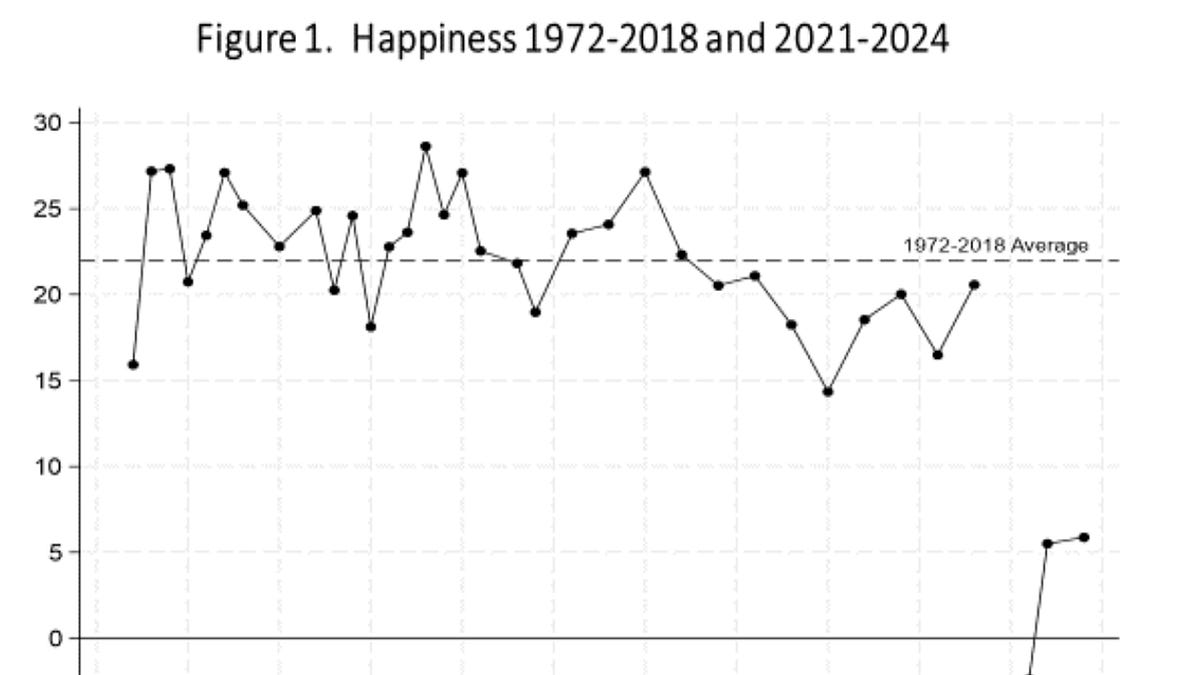
The Post-COVID Happiness Collapse: Why American Well-Being Hasn't Recovered
The article examines a sharp and historically unprecedented decline in American happiness following the COVID-19 pandemic, as documented by
 derekthompson.org·2mo ago
Comments
Sign in to join the conversation.
No comments yet. Be the first.