
























With 30 minutes left in her submersible dive, geochemist Mengran Du steered toward one last stretch of the deep trenches between Russia and Alaska — and found life where almost no one expected it. Published in 2025, the discovery revealed a 2,500-kilometr
From the article
With about 30 minutes left in a submersible dive, geochemist Mengran Du and her crewmates pushed toward one more stretch of the deep trenches between Russia and Alaska. At that depth, sunlight had been gone for kilometres. The pressure was crushing. The seafloor should have been sparse, dark and dependent on whatever scraps of organic […] The post With 30 minutes left in her submersible dive, geochemist Mengran Du steered toward one last stretch of the deep trenches between Russia and Alaska — and found life where almost no one expected it. Published in 2025, the discovery revealed a 2,500-kilometre ecosystem of clams and tubeworms as deep as 9,533 metres, powered not by sunlight but by methane and hydrogen sulfide seeping from the seafloor. appeared first on Space Daily .
Continue reading on Space DailyYou might also wanna read
Deepest-Known Animal Communities Found Almost Six Miles Below Sea Level
EcoWatch·11mo ago

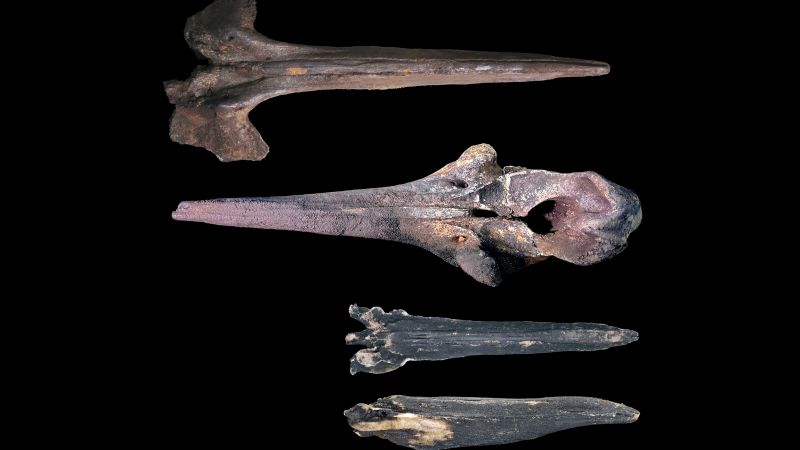
Scientists discover massive deep-sea whale graveyard spanning 746 miles in the Indian Ocean
Scientists piloting a submersible in the southeastern Indian Ocean discovered one of the largest and deepest whale graveyards ever found, sp
 cnn.com·26d ago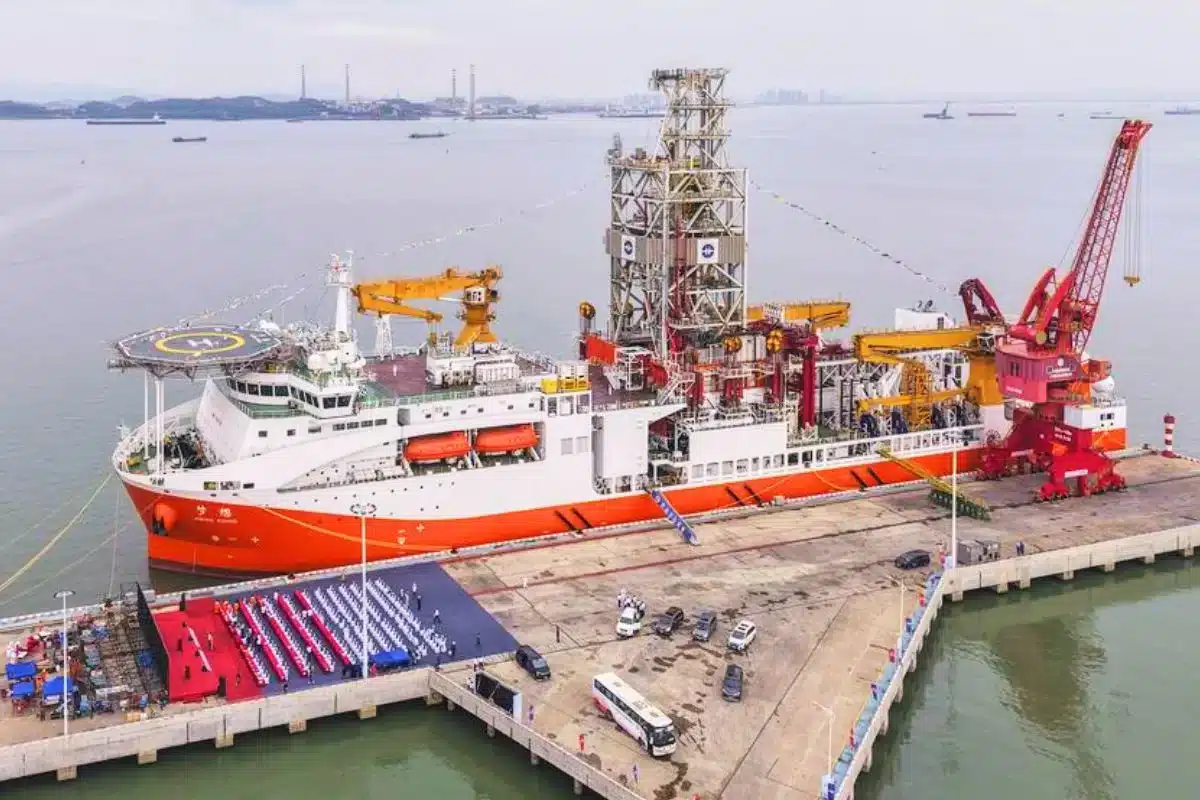
China Launches Meng Xiang Drilling Vessel to Break World Record for Deepest Ocean Drilling at 11 Kilometers
China has launched the Meng Xiang drilling vessel, a 42,600-ton scientific platform designed to break the world record for deepest ocean dri
 blog.bostonorganics.com·8mo ago
First methane-powered sea spiders found crawling on the ocean floor
cnn.com·1y ago

Russia to drill superdeep Arctic boreholes to test Soviet-era theory of oil formation without organic matter
Russia is launching a massive drilling project in the Arctic Komi region, with geologists from Saint Petersburg Mining University planning t
 science.org·21d ago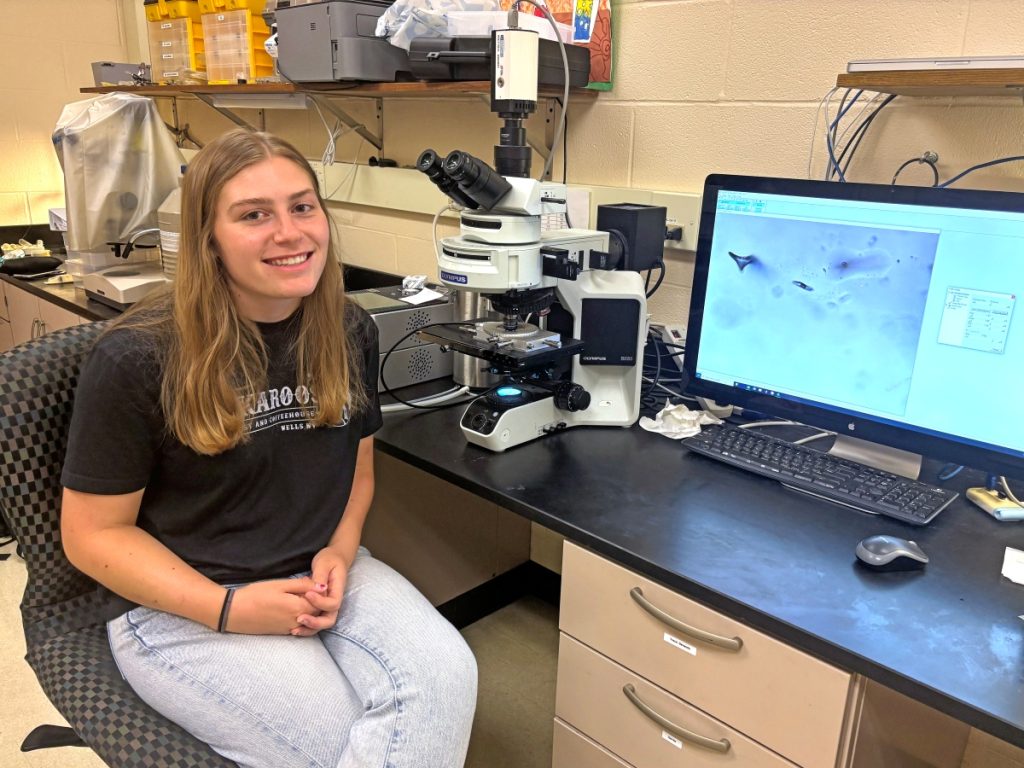
Student Researcher Recreates Deep-Earth Conditions to Study Copper Deposit Formation
Emerson Long, a geology and physics double major at Syracuse University, conducted research as an intern at the U.S. Geological Survey, recr
 news.syr.edu·1mo ago
Comments
Sign in to join the conversation.
No comments yet. Be the first.