
























William James' Theory of Selection in Consciousness and Its Parallels with Computational Systems
This is obviously true of action. Whatever views your views on free will, it is indubitable that differing options occur to us, that we compare them, that we prefer some to others, that eventually we…
Read the full articleYou might also wanna read

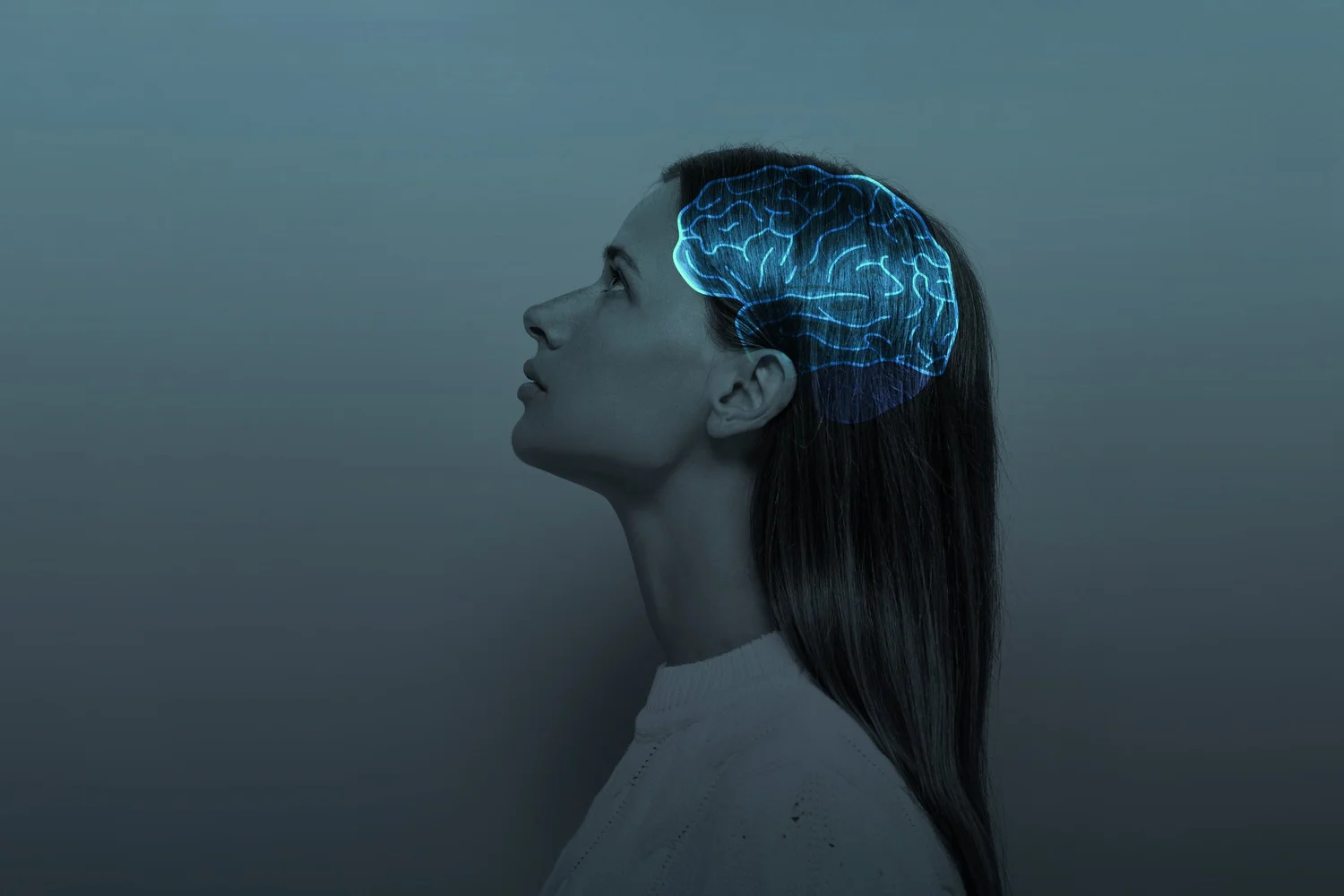
New theory proposes consciousness evolved for social benefit, not just individual survival
Why did our brains evolve to produce the experience of consciousness? New research suggests that instead of just aiding individual survival,
 universal-sci.com·26d ago
New theory proposes consciousness evolved for social benefit, not just individual survival
Why did our brains evolve to produce the experience of consciousness? New research suggests that instead of just aiding individual survival,
universal-sci.com·26d ago
A neurobiological account of conscious and nonconscious thought in decision-making
Conscious thought is often treated as a special class of neural processing, distinct from the nonconscious computations that guide most beha
 pnas.org·1mo ago
Schema theory revisited: A spectrum of abstraction in AI and neuroscience
Motivated by generative AI, Samiei et al. argue against classical models that treat schemas as distinct memory structures. Instead, they pro
Anthropic's Anthropomorphism: Why Treating AI as Conscious Is Misguided
Taken to its logical conclusion, this line of thinking is absurd—and damning.
 theatlantic.com·1mo ago
Exploring Plant Intelligence: How New Science Challenges Our Understanding of Consciousness
“Every thought that has ever passed through your brain was made possible by plants.”
 themarginalian.org·14d ago
Anthropic's Anthropomorphism: Why Treating AI as Conscious Is Misguided
Taken to its logical conclusion, this line of thinking is absurd—and damning.
theatlantic.com·1mo ago
Comments
Sign in to join the conversation.
No comments yet. Be the first.