
























Mount Sinai Doctors Increasingly Use AI-Powered App OpenEvidence for Clinical Diagnosis
A Mount Sinai emergency doctor discovers his younger colleagues are using OpenEvidence, an AI-powered app for physicians, to help diagnose patients with puzzling symptoms. The health system later learns that a third of its 9,000 doctors are already regular users of the tool, highlighting the rapid adoption of AI in clinical settings.
Key quotes
Within seconds, his three younger colleagues — two medical students and a resident — were consulting a free artificial-intelligence-powered app for physicians, OpenEvidence.
A third of Mount Sinai's 9,000 doctors were already regular OpenEvidence users, the health system's executives found out in a meeting last year with the start-up's leaders.
"That was an 'aha"
Dr. Nicholas Gavin, an emergency medicine doctor at Mount Sinai in New York City, was working an overnight shift last summer when a patient came in with a puzzling set of symptoms.
From the article
You might also wanna read
Teaching Machines to See Medicine: How AI is Learning to Think Like a Doctor Across Every Medical Specialty


Physicians Face Liability Risks as AI Diagnostic Tools Enter Clinical Medicine
This article examines the trust gap between physicians and AI diagnostic tools in clinical medicine. While AI can analyze vast datasets and
 mdsc.pe·13d ago
A Complete Guide on How to Build AI Medical Diagnosis App
Innovative AI App Elevates Ear Infection Diagnosis for Children
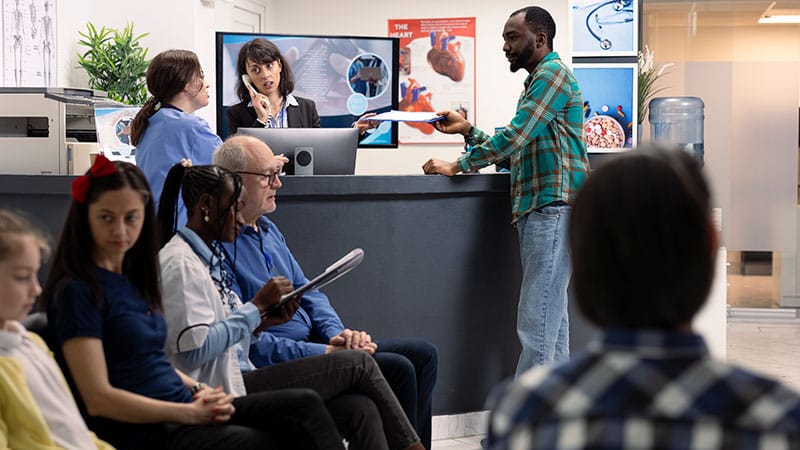
Harvard Study Finds AI Matches or Exceeds Emergency Physician Diagnostic Accuracy
A Medscape Insights article discusses a Harvard Medical School study finding that AI matched or exceeded the diagnostic accuracy of attendin
mdsc.pe·6d ago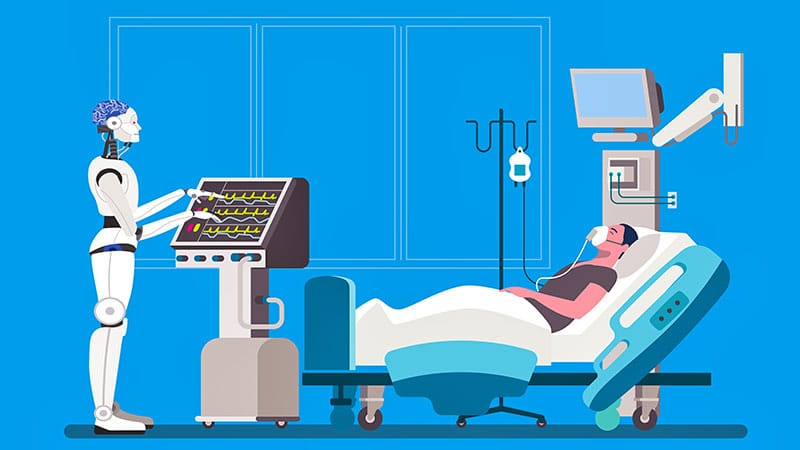
AI's Emerging Role in Primary Care: A Vision of Robot-Assisted Medicine
This article explores the potential integration of artificial intelligence into primary care settings, as envisioned by Dr. Allan Stewart, m
mdsc.pe·12d ago
Comments
Sign in to join the conversation.
No comments yet. Be the first.