
























Why does buying clothes make us happy?
By
Sílvia Rosés
4h ago
Source
 AraWhy does buying clothes make us happy?ara.cat
There is an idea that we have normalized to the point of not seeing it: that happiness can be bought. And we are not talking about that one-off acquisition of a long-desired object, but about a happiness built on a constant drip of small purchases, apparently insignificant but which, in perspective, draw a pattern of behavior and almost a horizon of meaning. Through consumption we build ourselves, we relate to each other, we articulate our free time and, in short, we shape our lives. This way of inhabiting the world is consolidated especially from the Second World War, when in the United States consumption projects itself beyond the strictly economic sphere to become an identity factor, even patriotic, and a mechanism of social stabilization that will end up being exported on a global scale. And, among the areas that most intensely participate in this logic, we find, in a paradigmatic way, fashion. But why does buying a new sweater or acquiring seasonal shoes make us happy?The key to this feeling is not so much in the acquisition itself, nor even in the moment we wear that skirt we liked so much in the store for the first time. The decisive moment — the one in which dopamine is activated, more linked to desire and expectation than to satisfaction — occurs just before the purchase: when we look for the item, pursue it, imagine ourselves wearing it, or leave it waiting in the digital cart. It is in this interval, in this tension between what we do not yet have and what we project, where the most intense peak of pleasure is concentrated. The purchase, on the other hand, does not end it: it reactivates it. The cycle resumes immediately, and with it the need for a new object, a new impulse.However, although the collective imaginary has associated compulsive buying addiction almost inseparably with women, it should be understood that it is a transversal behavior, inscribed in the very logic of capitalist economies. The idea that women cannot restrain themselves in front of a pair of shoes is constructed throughout the 19th century, in a context of profound contempt that uses this stereotype to question their moral capacity and justify their exclusion from the rights and freedoms derived from liberal revolutions. Consumption thus appears as proof of supposed weakness, of an inability to govern one's own impulses, in contrast to a masculinity defined by self-control.
You might also wanna read

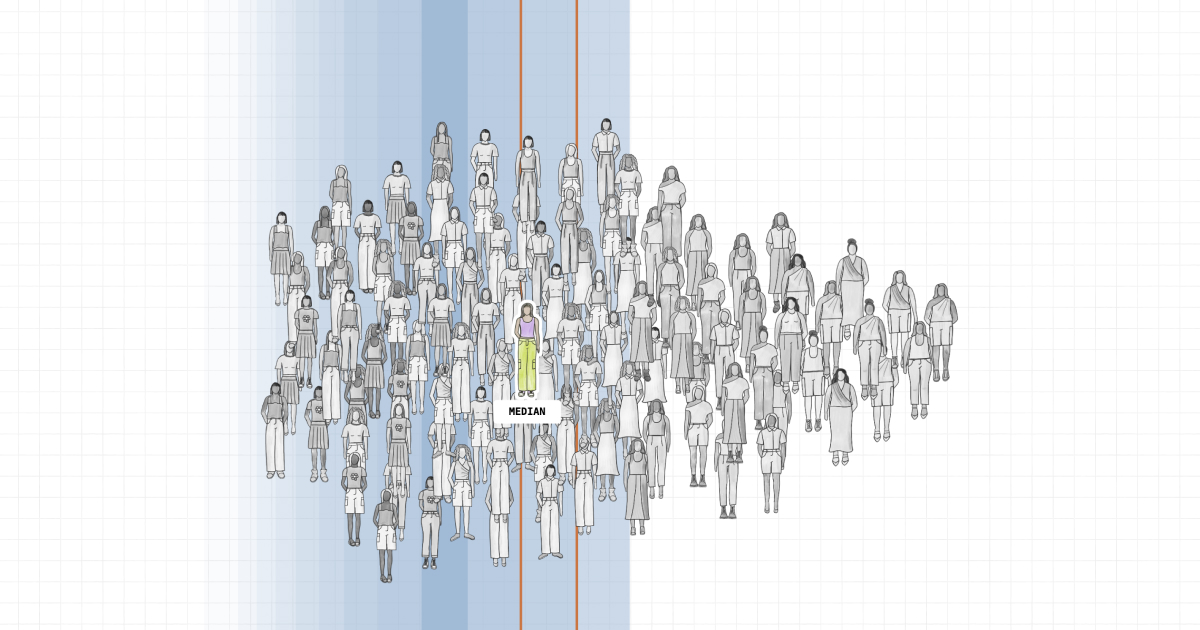
The Fashion Industry's Sizing Inconsistency Problem and Its Impact on Consumers
The article examines the widespread problem of inconsistent clothing sizing across the fashion industry, highlighting how sizing standards v
pudding.cool·4mo ago
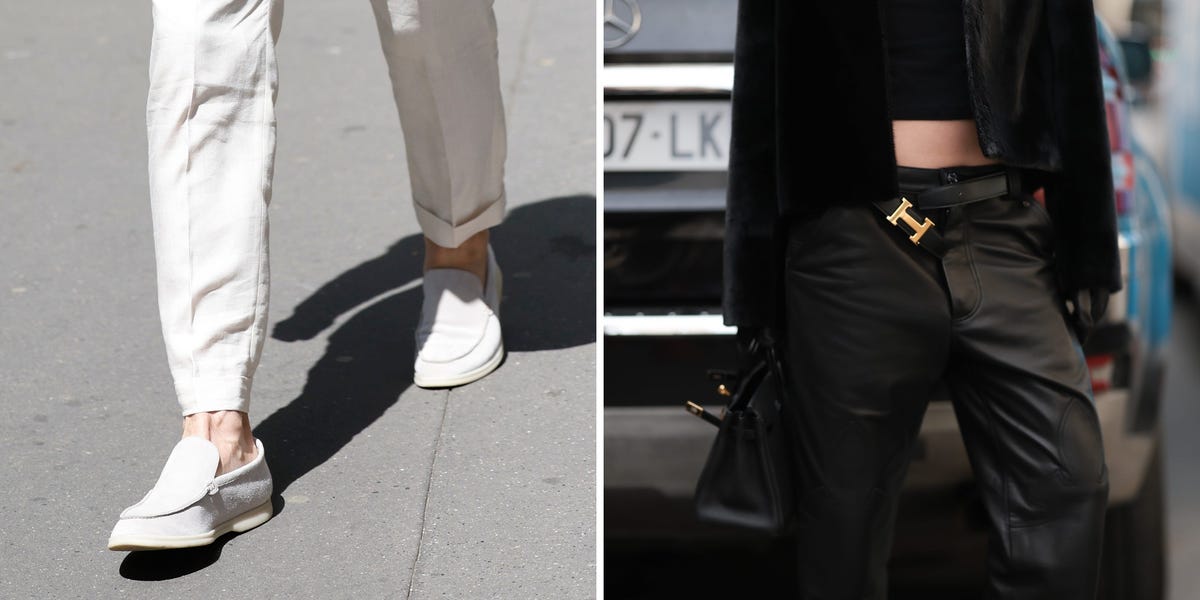
How AI millionaires are reshaping luxury fashion: from hoodies to high-end loafers
A look at the fashion and luxury consumption habits of newly wealthy AI entrepreneurs and professionals. The article explores how the AI boo
 businessinsider.com·3d ago
Perfumes con identidad: la tendencia que pone el foco en la autenticidad femenina
Infobae·14h ago
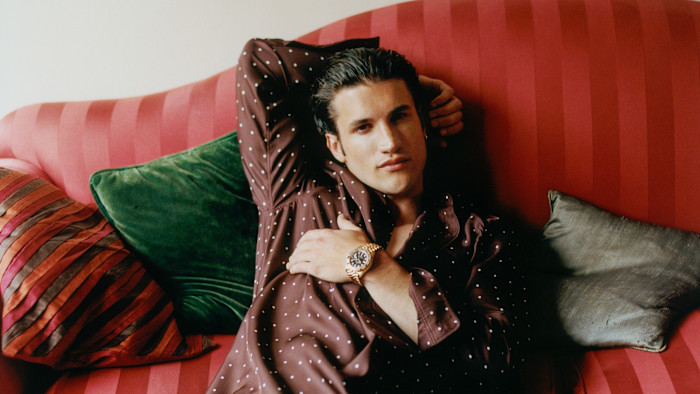
The enduring appeal of mechanical watches: craftsmanship, auctions, and collector culture
A detailed exploration of the watch industry and horology culture, examining the enduring appeal of mechanical timepieces in a digital age.
 ft.trib.al·12d ago
Overconsumption as a Spiritual Problem: How Lack of Values Drives Overspending
The article explores the connection between overconsumption and lack of personal values, arguing that overspending is fundamentally a spirit
 sherryning.com·6mo ago
Everlane, Shein, and the illusion of sustainable fashion: Why buying "better" isn't enough
The article critiques the concept of "sustainable fashion" by examining brands like Everlane and Shein. It traces the author's personal jour
 grist.org·1mo ago
Comments
Sign in to join the conversation.
No comments yet. Be the first.