
























Why MacBooks Overheat: Intel vs. Apple Silicon Thermal Performance
By
José Adorno
Summary
The article discusses why MacBooks, particularly Intel-based models, tend to overheat. It explains that Intel processors generate significant heat due to their architecture, and Apple's compact chassis design exacerbates thermal issues. The article contrasts this with Apple's newer Apple Silicon (M-series) chips, which are more power-efficient and run cooler. It also covers common causes like dust buildup, demanding apps, and poor ventilation, along with potential solutions.
Source
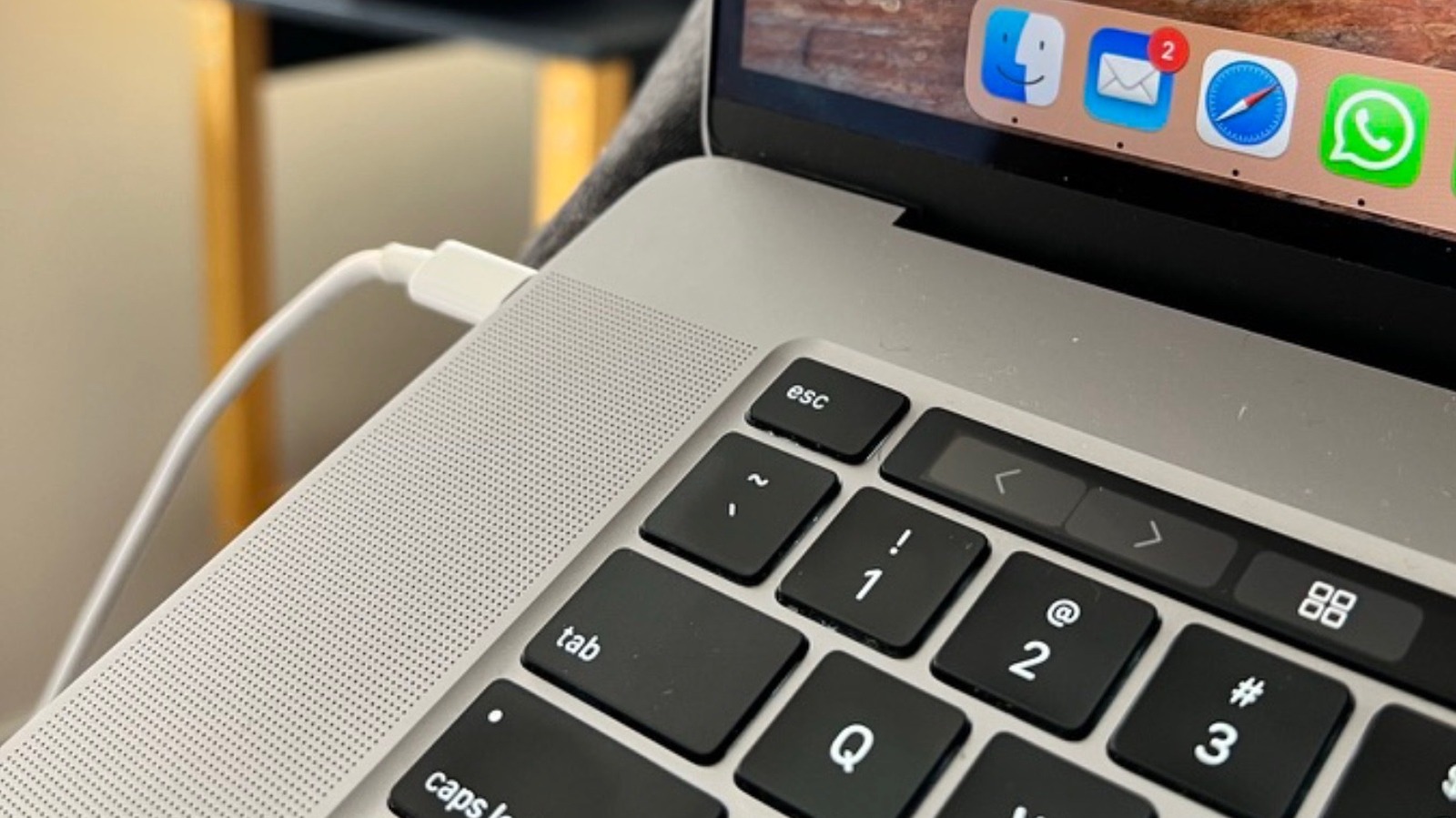
 bskyWhy MacBooks Overheat: Intel vs. Apple Silicon Thermal Performancebgr.com
Key quotes
· 3 pulledIf you have the feeling your MacBook is getting hotter and hotter, there might be several reasons.
Intel-based MacBooks often struggle with thermal management.
This is usually not the case with Apple's System-on-Chip architecture, however.
You might also wanna read


Apple Silicon vs Intel MacBook Reliability: The Real-World Evidence

User Discussion on Apple M Series Performance Advantages Over x86 Processors
A Hacker News user asks why x86 processors haven't caught up with Apple's M series chips, sharing their positive experience with an M1 Pro M
 news.ycombinator.com·10mo ago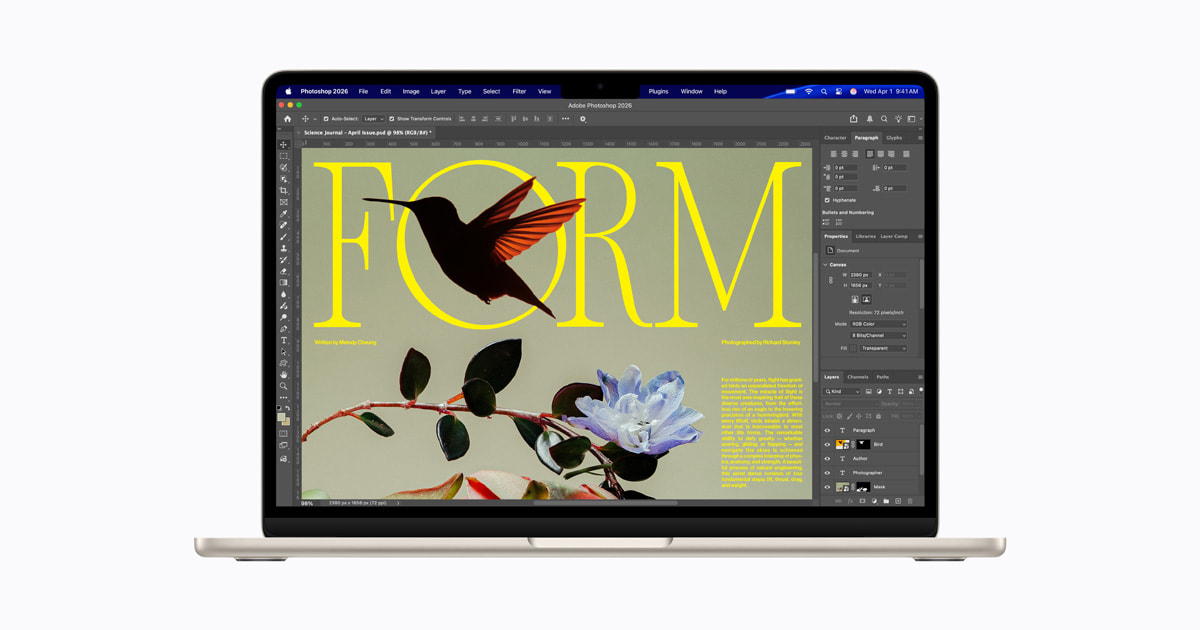
Apple Announces New MacBook Air with M5 Chip Featuring Enhanced Performance and AI Capabilities
Apple has announced the new MacBook Air featuring the M5 chip, which delivers significant performance improvements with a faster CPU, next-g

The Evolution of Apple Silicon: How iPhone Processors Caught Up to MacBook Performance
The article analyzes the evolution of Apple's silicon performance over the past decade, tracing how iPhone processors have caught up to and
 daringfireball.net·3mo ago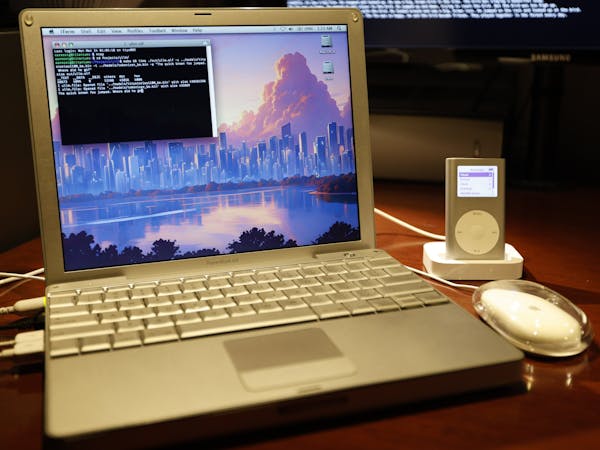
Apple's PowerPC Processors: A Look Back at Pre-M-Series Custom Silicon
The article discusses Apple's historical PowerPC processors from the early 2000s, noting that while Apple's current M-series chips get most
 hackster.io·7mo ago
Apple Silicon MacBook vs Framework Laptop: A Real-World Battery Life Comparison
The author shares a personal comparison between their MacBook M1 Pro with Apple Silicon and Framework 13 laptop, highlighting the significan
Comments
Sign in to join the conversation.
No comments yet. Be the first.