
























Why AI Workloads Are Breaking the 40-Year-Old Implicit Contract of Database Architecture
There is an implicit contract at the foundation of every database architecture decision you have ever made. You probably never wrote it down. Nobody does. It just… existed.
Read the full articleYou might also wanna read
Why Strong System Design Is Critical in the Age of AI Agents
As Large Language Models gain the ability to generate entire microservices and infrastructure code within seconds, the role of software engi


CMU professor identifies databases as the biggest unsolved challenge for AI agents
AI agents can build B+ trees and buffer managers, but CMU's Andy Pavlo says the query optimizer and autonomous database remain their toughes
 thenewstack.io·1mo ago
How siloed data and legacy infrastructure are driving up AI costs for enterprises
Using insights from the recent Economist Enterprise report, this blog will go into detail on why siloed data and legacy infrastructure are a
 databricks.com·11d ago
How siloed data and legacy infrastructure are driving up AI costs for enterprises
Using insights from the recent Economist Enterprise report, this blog will go into detail on why siloed data and legacy infrastructure are a
databricks.com·11d ago
Uncertainty in AI-Generated SQL: Why Humans Still Have the Edge
AI-generated SQL queries are getting better, but human judgment in verification still reigns supreme. Why? It boils down to reasoning and sc
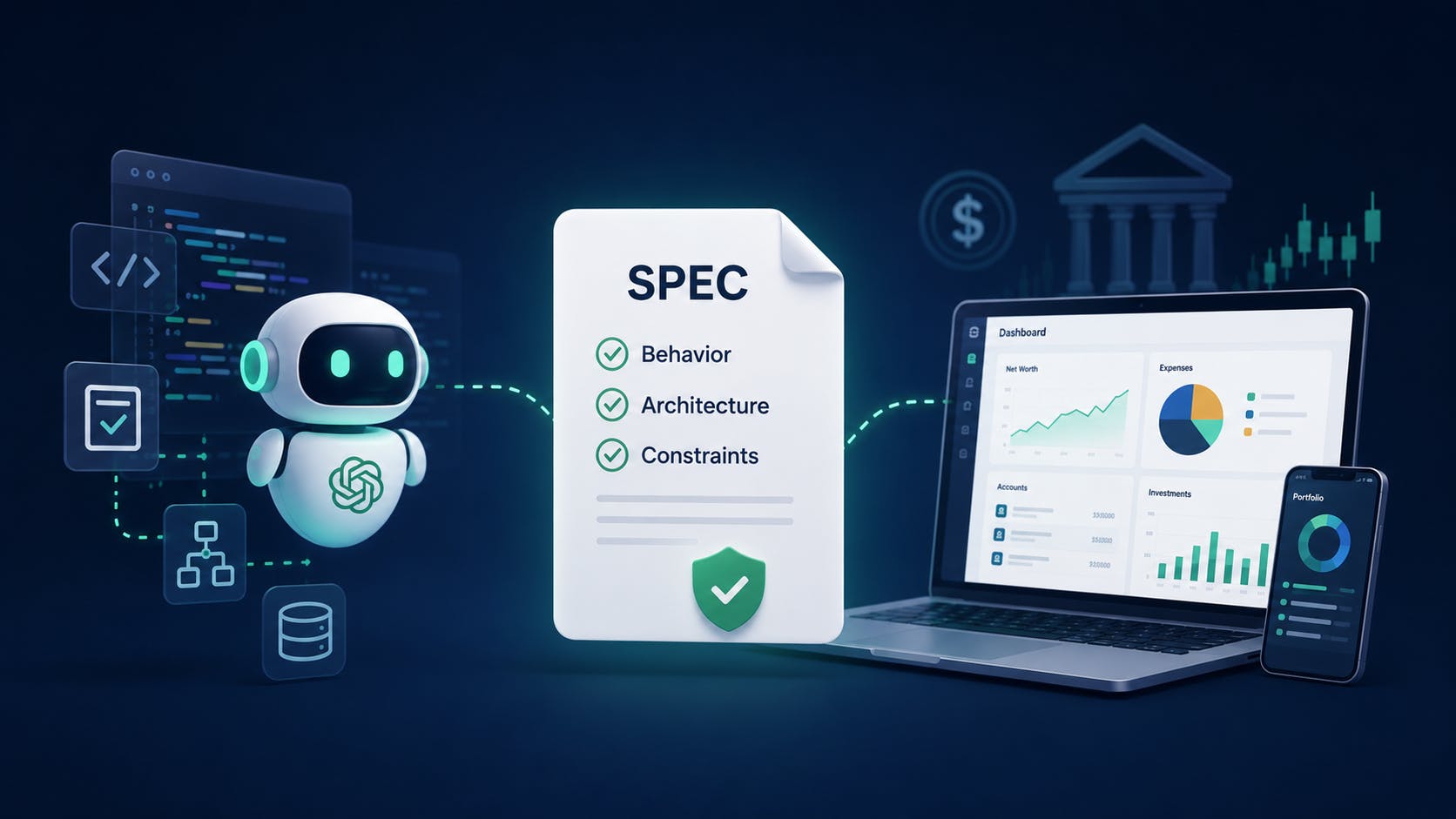
How Spec-Driven Development and Living Contracts Prevent Architecture Drift When Using AI Coding Agents
Stop architecture drift when using AI coding agents. Learn how spec-driven development and living contracts keep your codebase structured an
Agentic AI Systems Emerge as Solution for Complex Enterprise Data Queries
Data engineering teams at large enterprises increasingly struggle with complex queries that span multiple data sources, require multi-hop re
Comments
Sign in to join the conversation.
No comments yet. Be the first.