
























Which States Are Most at Risk of Being Left Behind by AI?
By
Timothy Prestianni
25d agoen
Source
 nu.eduWhich States Are Most at Risk of Being Left Behind by AI?nu.edu
States face two distinct and inverse AI risks: structural marginalization, where states lack the infrastructure to adopt AI at all, and economic displacement, where states with the most advanced knowledge economies face the highest proportion of jobs vulnerable to automation. A National University report identifies an ""AI gap belt"" of states lacking the four ingredients for AI adoption, business AI use, high educational attainment, reliable broadband, and strong median wages, with West Virginia ranking as the most structurally vulnerable, followed by New Mexico, Louisiana, Mississippi, and Wisconsin. The post Which States Are Most at Risk of Being Left Behind by AI? appeared first on National University .
You might also wanna read


State-level strategies for protecting workers from AI displacement
A state representative candidate discusses what state government can do to protect workers from AI displacement. The article focuses on thre
 chrisoatesforrep.substack.com·1mo ago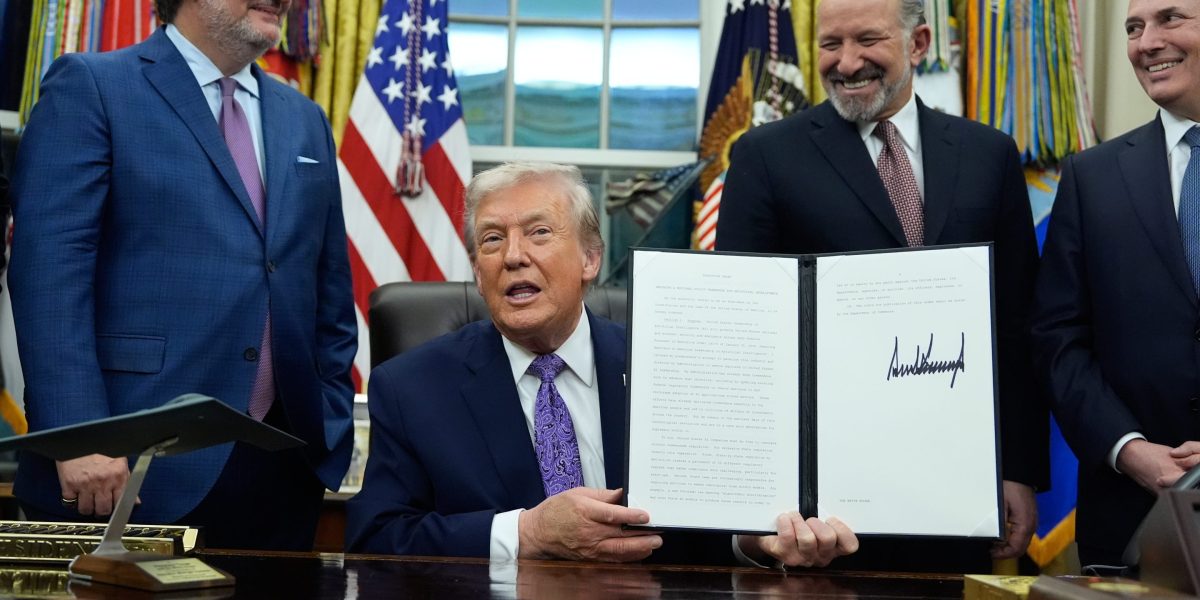
States forge ahead with AI regulation despite Trump's warning, as federal action stalls
Despite President Trump's warning against state-level AI regulation, both Republican and Democratic state lawmakers are advancing their own
 fortune.com·23d ago
Women and university graduates in Australia most at risk of losing jobs to AI, report finds
The Guardian·4h ago
Women and university graduates in Australia most at risk of losing jobs to AI, report finds
The Guardian·4h ago
State AI Adoption Outpaces Governance: Only 24% of States Have Data Rules in Place
State governments are rapidly adopting generative AI tools for public workers, with 82% of state CIO organizations using them daily by late
 techpolicy.press·1mo ago
The AI literacy gap: Why college graduates feel unprepared for an AI-driven workforce
The article discusses the gap between the growing demand for AI literacy in the workforce and the preparedness of college students. It argue
 ecampusnews.com·1mo ago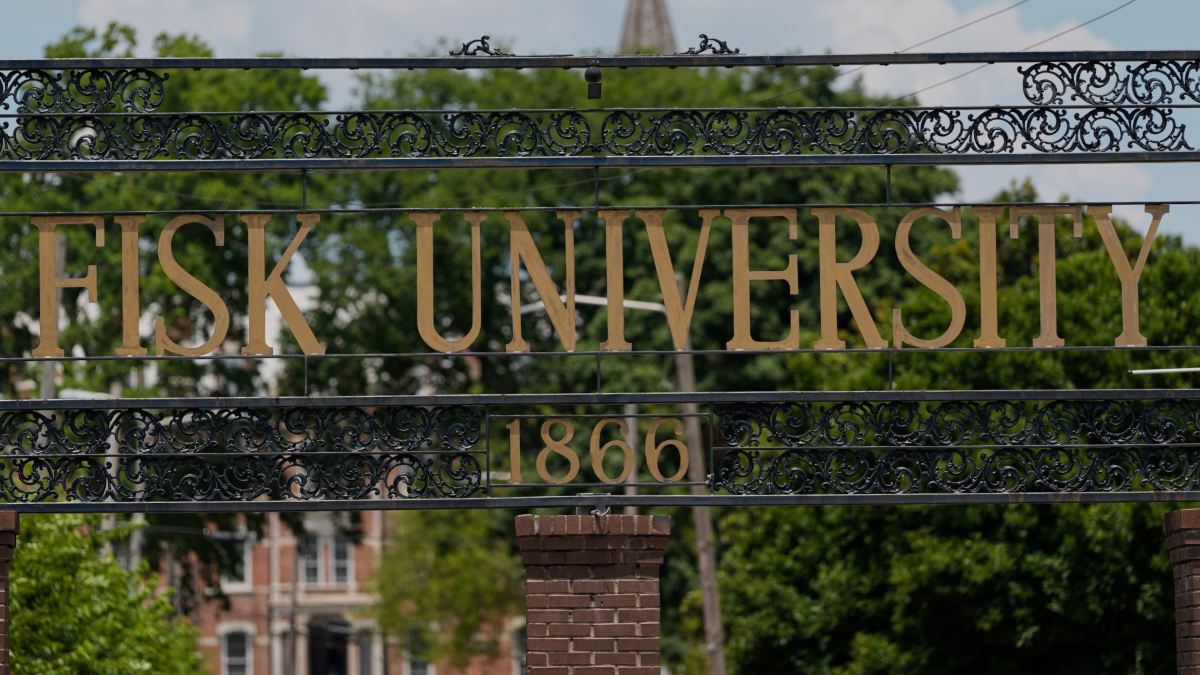
HBCUs Face Uneven Tradeoffs in the Emerging AI Economy
Ashley Northington and Dr. Fallon S. Wilson examine the complex relationship between historically Black colleges and universities (HBCUs) an
techpolicy.press·1mo ago
Comments
Sign in to join the conversation.
No comments yet. Be the first.