
























Carbohydrate reduction for metabolic disease differs from ketogenic diet for epilepsy, researchers argue
Summary
This perspective article argues that recent reviews of therapeutic carbohydrate reduction (low-carb/ketogenic diets) for treating metabolic disease in paediatric patients contain systematic errors and bias. The author contends that reviewers incorrectly conflate strict 4:1 ketogenic diets (used for epilepsy) with well-formulated ketogenic diets used for metabolic conditions like type 1 and type 2 diabetes. The article also criticizes the unnecessary medicalization of dietary interventions in children, advocating for nutrient-dense carbohydrate reduction as a safe and effective approach supported by strong adult evidence and emerging paediatric evidence.
Source

 Twitter / XCarbohydrate reduction for metabolic disease differs from ketogenic diet for epilepsy, researchers arguejournalofmetabolichealth.org
Key quotes
· 3 pulledRecent reviews of using therapeutic carbohydrate reduction to treat metabolic disease in paediatric patients have consistently made errors in the form of bias against recommending this nutrient-dense eating pattern despite strong evidence for its use in adults and emerging evidence in paediatric patients.
The purpose of this perspective is to review these errors, which include conflating 4:1 ketogenic diets with well-formulated ketogenic diets and the needless medicalisation of using therapeutic carbohydrate reduction in paediatric populations.
Keywords: type 1 diabetes; type 2 diabetes
You might also wanna read


Satirical Article Mocks RFK Jr.'s Claim That Keto Diet Cures Schizophrenia
The article appears to be a satirical piece that mocks RFK Jr.'s claim that the keto diet can cure schizophrenia and bipolar disorder. The c
 The Onion·4mo ago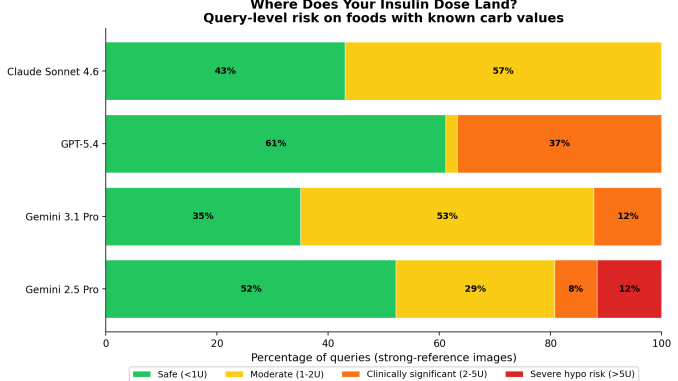
Study Finds ChatGPT Gives Inconsistent Carb Estimates for Same Food Photos, Posing Risks for Diabetes Management
A study published as a preprint tested ChatGPT's reliability for carb counting by submitting 13 food photographs 500 times each. The AI gave
 Diabettech - Diabetes and Technology | Where Diabetes and Technology meet·1mo ago
Research Suggests Heart Disease, Kidney Disease and Type 2 Diabetes May Be One Condition Treatable with GLP-1 Drugs
The article discusses the emerging medical concept of "CKM syndrome" (cardiometabolic kidney syndrome), which suggests that heart disease, k
 scientificamerican.com·6mo ago
Systematic Review: Effects of Intermittent Fasting on Weight and Cardiometabolic Risk Factors
The systematic review and network meta-analysis evaluates the effects of intermittent fasting diets (alternate day fasting, time-restricted
 bmj.com·10mo ago
Impact of a whole food, plant-based diet on LDL-cholesterol and cardiovascular risk factors in adults with heterozygous familial hypercholesterolemia: a randomized, two-period, two-treatment, crossover, fully controlled feeding trial
Study links common food additive mixtures to increased type 2 diabetes risk in French cohort
This prospective cohort study using NutriNet-Santé data investigates the association between five commonly consumed food additive mixtures a
 plos.io·11d ago
Comments
Sign in to join the conversation.
No comments yet. Be the first.