
























When Italian and German researchers modeled a square-meter array of 1,482 neodymium magnets, the simulation showed roughly a fifth of incoming low-energy solar protons being deflected — suggesting a potential way for deep-space crews to reduce some of the
When Italian and German researchers modeled a square-meter array of 1,482 neodymium magnets, the simulation showed roughly a fifth of incoming low-energy solar protons being deflected — without any…
Read the full articleYou might also wanna read
Could giant magnets protect astronauts from solar storms?
A new study proposes using permanent magnets as a partial shield against space radiation. While they would not replace current technologies,
Could permanent magnets protect astronauts from solar storms?
Shielding astronauts from the deadly radiation they face is a central challenge for any designer of a deep-space crewed mission. Even relati
Could permanent magnets protect astronauts from solar storms?
Shielding astronauts from the deadly radiation they face is a central challenge for any designer of a deep-space crewed mission. Even relati


Nuevo hito para la ciencia aeroespacial chilena: SUCHAI-4 de la U. de Chile envía cerca de 60 experimentos al espacio
Desarrollado en la Facultad de Ciencias Físicas y Matemáticas (FCFM), el nanosatélite de 5 kilos fue puesto en órbita este martes 7 de julio
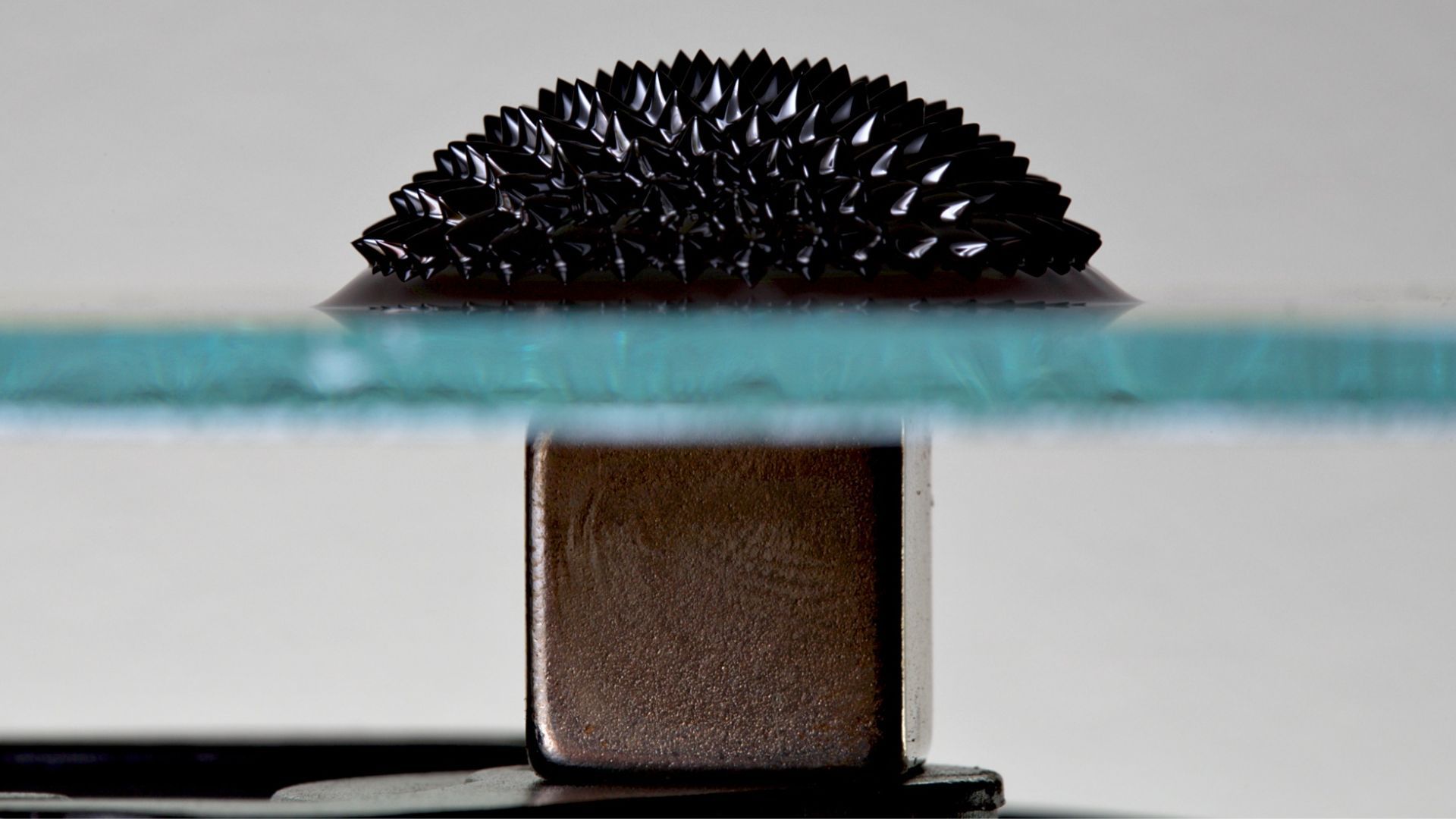
Ames Lab scientists develop AI-driven method to create magnets without rare earth metals
U.S. scientists have developed new AI tools that help in discovery of right materials to make permanent magnets without rare earth elements.
 interestingengineering.com·25d ago
Rússia vol portar astronautes a Mart en només 30 dies amb un revolucionari motor de plasma
Aquest motor podria revolucionar l'exploració espacial reduint dràsticament el temps dels viatges
Comments
Sign in to join the conversation.
No comments yet. Be the first.