
























Minnesota regulators tackle odor pollution with new rules to define 'objectionable odors'
By
Greta Kaul
Summary
Minnesota state regulators are developing new rules to manage odor pollution from industrial facilities in the Twin Cities area. A key challenge is legally defining what constitutes an "objectionable odor." The article explores the complexities of odor regulation, including the use of devices like the Nasal Ranger for field olfactometry, the tension between industrial operations and residential quality of life, and the regulatory process underway to establish enforceable standards for smelly facilities such as paper mills and asphalt plants.
Source
 bskyMinnesota regulators tackle odor pollution with new rules to define 'objectionable odors'startribune.com
Key quotes
· 3 pulledUntil your nostrils twitch. Something stinks, and it's not a skunk. It's an industrial facility making paper. Or asphalt.
State regulators are coming up with rules for managing smelly facilities. But first they have to define an 'objectionable odor.'
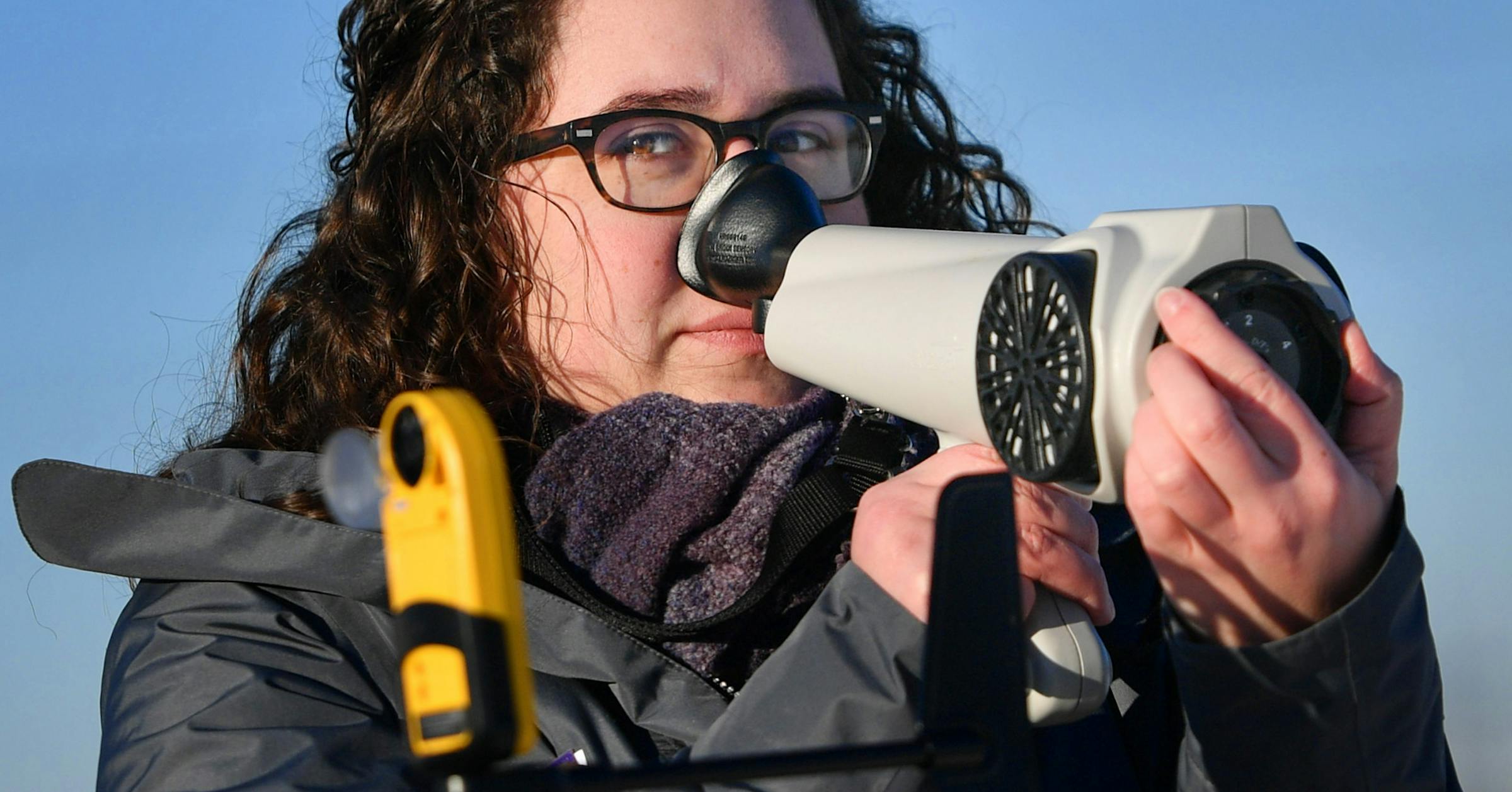
A device called a Nasal Ranger will likely be used to evaluate smells under new Minnesota regulations on bad odors.
You might also wanna read


EPA Proposes Ending Greenhouse Gas Emissions Reporting Requirements for Industrial Facilities
The Environmental Protection Agency (EPA) has proposed to stop requiring thousands of industrial facilities including coal-burning power pla
 nytimes.com·9mo ago
Trump Administration Revokes EPA Authority to Regulate Climate Pollution
The Trump administration finalized rules that revoke the EPA's authority to regulate climate pollution by overturning the 2009 'endangerment
 cnn.com·4mo ago
Electronic Nose System for Detection and Identification of Indoor Mold Species
This scientific study explores the development of an electronic nose system using SnO2 nanowire-based chemiresistive sensors to detect and i
 advanced.onlinelibrary.wiley.com·5mo ago
EPA Clarifies Clean Air Act Supports Farmers' Right to Repair Equipment
The EPA has issued guidance clarifying that the Clean Air Act supports farmers' right to repair their own nonroad diesel equipment, stating
 epa.gov·4mo ago
Portland Implements Phased Ban on Gas-Powered Leaf Blowers to Reduce Noise and Pollution
Portland has implemented a phased ban on gas-powered leaf blowers, starting with a nine-month prohibition (January-September) for the first
 oregonlive.com·5mo ago
Scalable multiplexed gas sensor arrays with machine learning enable food classification via scent profiling
This article discusses the development of scalable multiplexed gas sensor chips that use machine learning for food classification. It explai
 scim.ag·5d ago
Comments
Sign in to join the conversation.
No comments yet. Be the first.