
























How Chinese AI Models Are Competing on Price and Open-Weight Strategy
Chinese AI models are rapidly closing the gap with U.S. frontier systems, driven by competitive pricing mechanisms, open-weight strategies, and multiple hosting providers. Unlike closed U.S. models where a single company controls pricing and infrastructure, open-weight Chinese models face market-driven price competition. This analysis examines how these dynamics are reshaping global AI competition and what they mean for U.S. technology policy.
Key quotes
For closed U.S. models, the model owner controls the API, serving infrastructure, safety layer, compliance system, memory features, tools, connectors, uptime guarantees, and enterprise product.
For open-weight models, pricing is more competitive and prices change more frequently.
A model that can be hosted by many providers will face more price pressure than a model that can be accessed only through a single provider.
You might also wanna read

The Breakdown of the AI Monopoly Bet: How Open-Weight Models Are Commoditizing Frontier AI
The article argues that the foundational bet of American AI investment — that frontier AI models would become a winner-take-all monopoly bus
warman.life·2mo ago
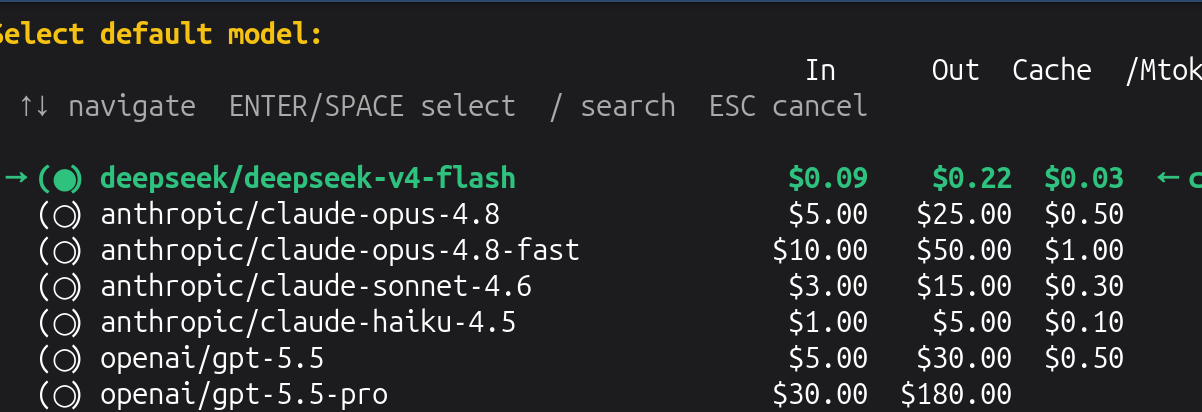
Open-weight AI models undercut proprietary rivals by up to 50x, raising questions about Big Tech's pricing strategy
The article discusses the dramatic price disparity between open-weight AI models like DeepSeek V4 and proprietary models from Anthropic and

China's Z.ai a challenger to OpenAI and Anthropic

The Coming Scarcity of Frontier AI Access
The article argues that the common belief in widespread, abundant access to frontier AI models is misguided. Contrary to the mantra that AI
 writing.antonleicht.me·1mo ago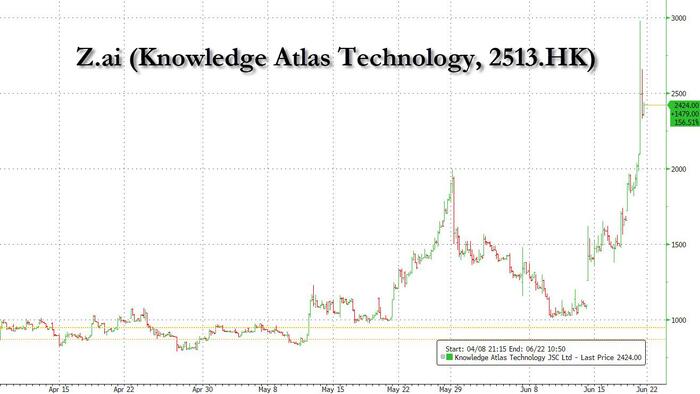
China's GLM 5.2 Open-Weight Model Challenges US AI Frontier, Analysts Say
China's Z.ai (formerly Zhipu) released the open-weight GLM 5.2 model on June 13, 2026, sparking comparisons to the "Deep Seek" moment for US
 zerohedge.com·16d ago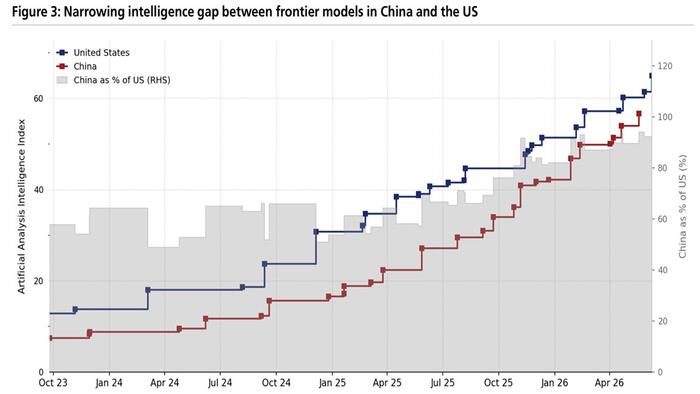
Answering The "Trillion Dollar Question": Are China's AI Models A Better Value Than US Models
zerohedge.com·15d ago
Comments
Sign in to join the conversation.
No comments yet. Be the first.