
























Study explains why Mars lost its water and became a barren desert
Summary
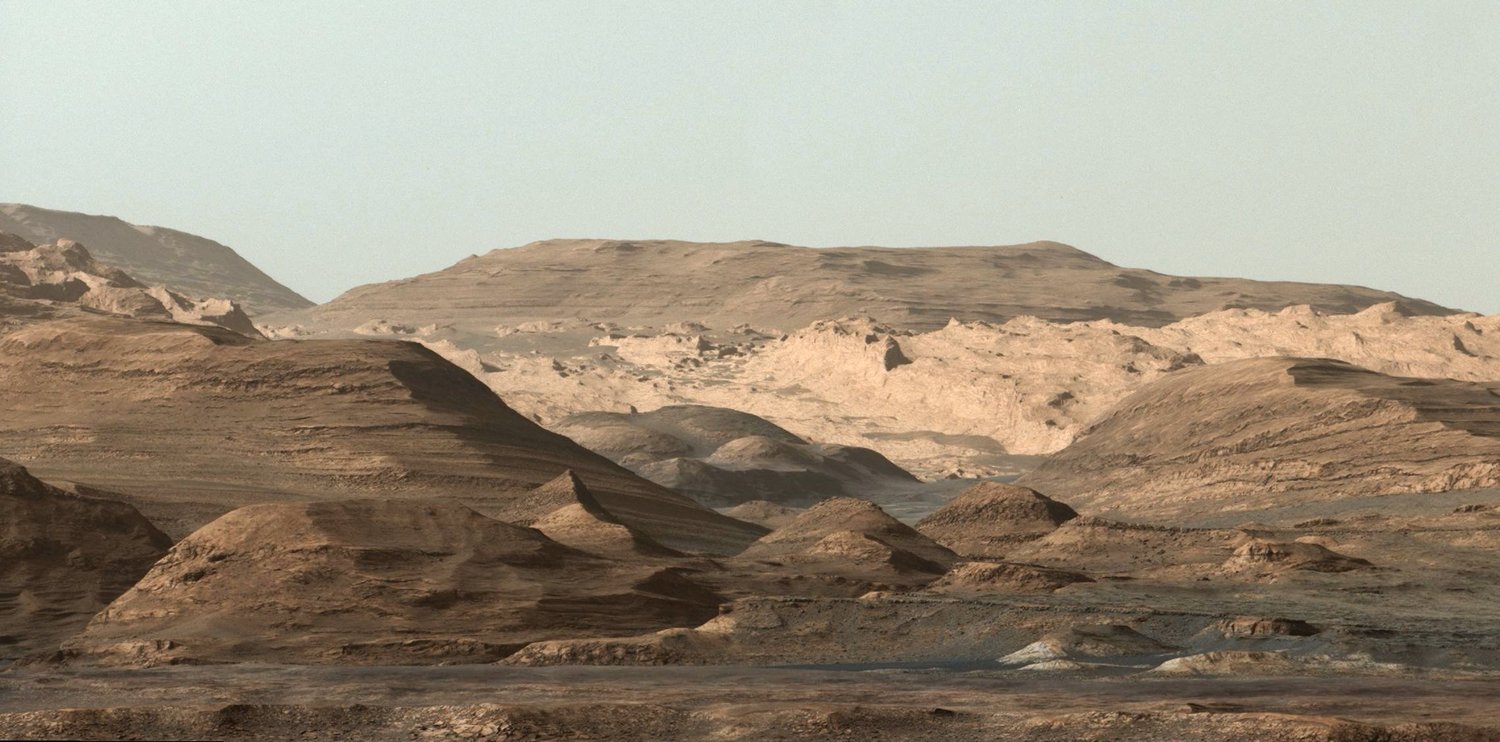
Scientists have long known Mars once had water, but how it lost its warmth and moisture remained a mystery. A new study led by Edwin Kite from the University of Chicago, published in Nature, proposes that Mars occasionally warmed up enough for liquid water due to the sun's increasing brightness, but unlike Earth, it couldn't sustain these warmer conditions. The research provides a significant step toward understanding what changed Mars from a potentially habitable world into the barren desert planet we see today.
Source
 Twitter / XStudy explains why Mars lost its water and became a barren desertuniversal-sci.com
Key quotes
· 3 pulledMars occasionally warmed up enough for liquid water thanks to the sun's increasing brightness.
Unlike Earth, Mars couldn't sustain these warmer conditions for long.
The team found evidence that Mars's atmosphere likely e
You might also wanna read

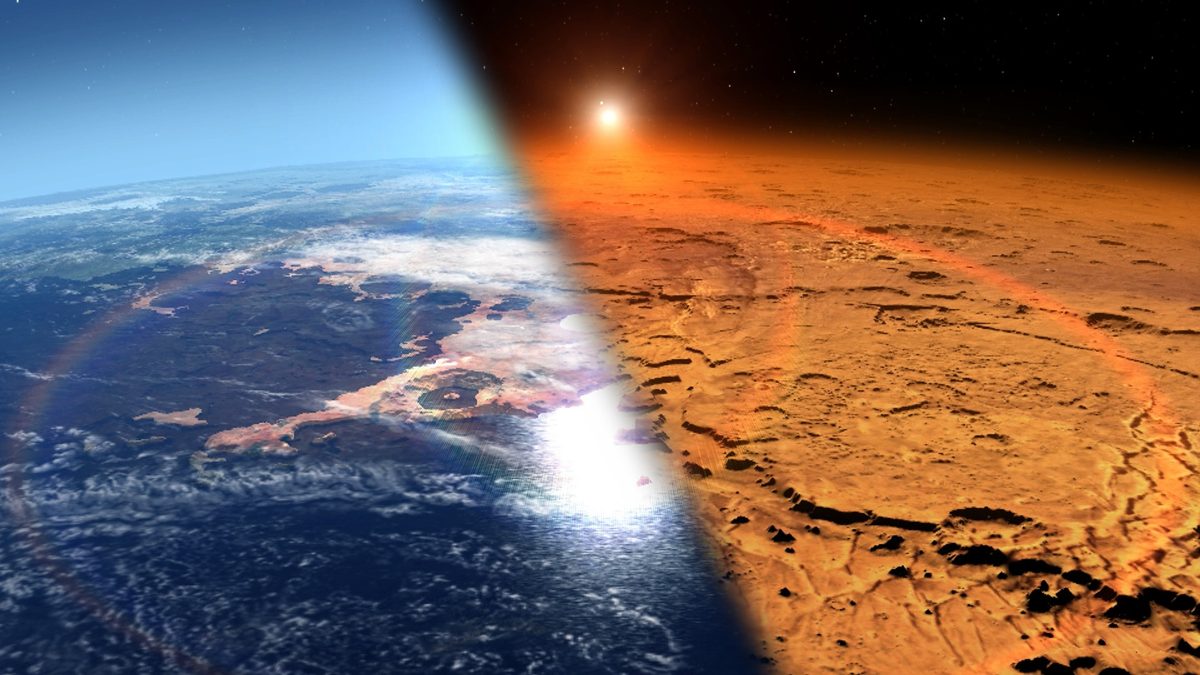
Scientists discover Mars's missing atmosphere and water may be trapped in the planet's crust
Scientists may have discovered the fate of Mars's missing atmosphere and water. New research suggests that Mars's ancient thick atmosphere a
 skyatnightmagazine.com·18d ago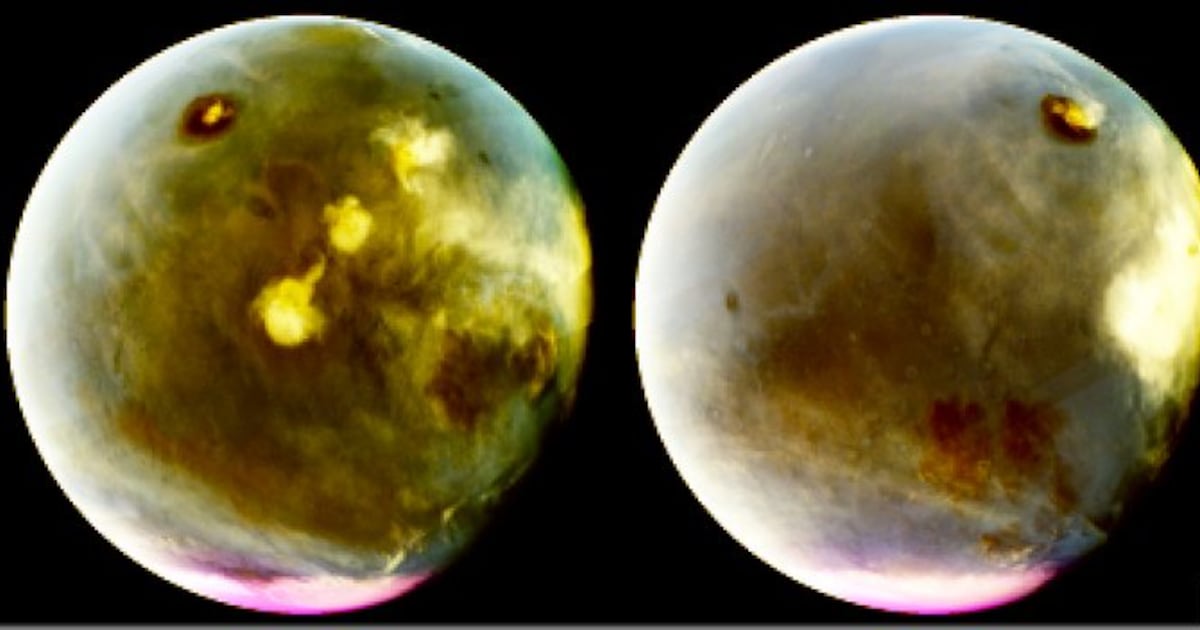
NASA declares Mars Maven spacecraft dead after six months without communication
After six months of radio silence, NASA has officially declared its Maven spacecraft, which has been orbiting Mars since 2014, dead. The spa
 ctvnews.ca·1mo ago
Why Mars Doesn't Need a Magnetic Field for Terraforming
This article argues that Mars does not need a global magnetic field to be terraformed, contrary to popular belief. It explains that while Ma
 pioneerlabs.substack.com·1mo ago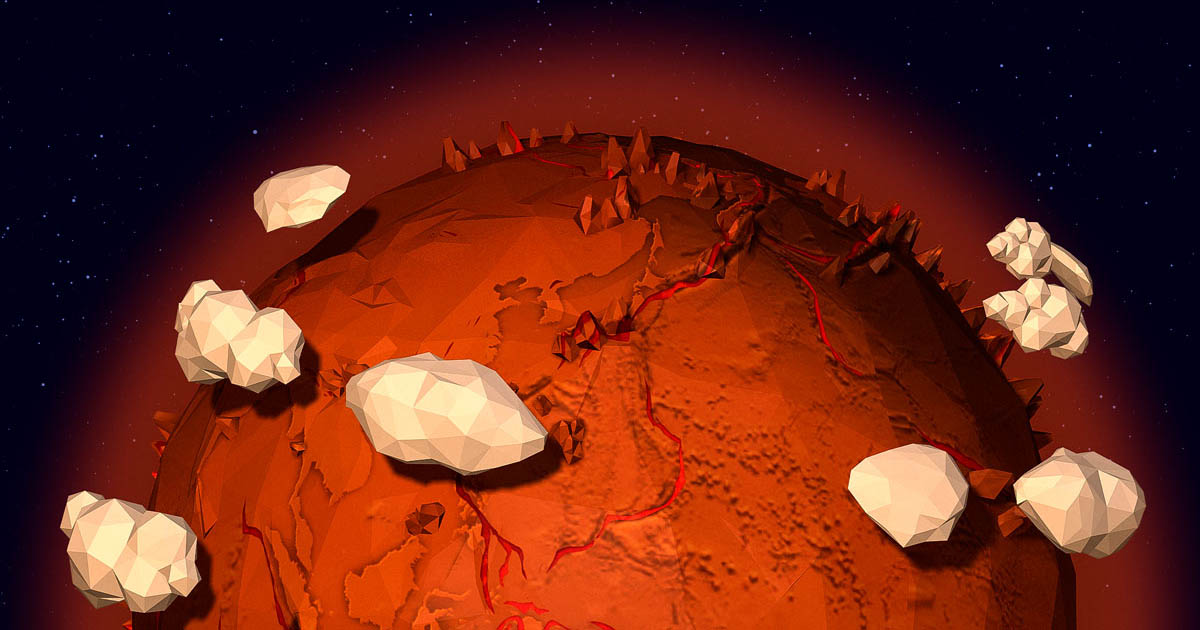
Venus vs Earth: The Scientific Mystery of Planetary Evolution and Habitability
This article explores the scientific mystery of why Venus, Earth's twin planet in size and composition, became an extremely inhospitable wor
 quantamagazine.org·9mo ago
In Science Journals
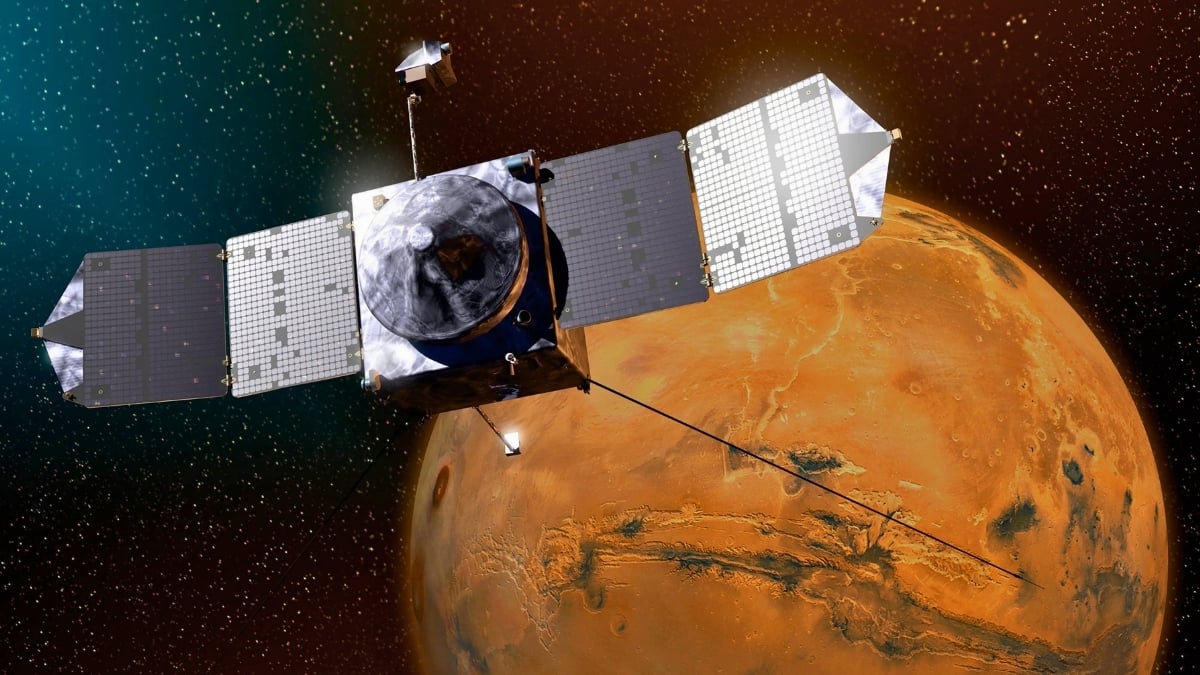
NASA Declares MAVEN Mars Spacecraft Dead After Six Months of Radio Silence
NASA has officially declared its MAVEN Mars spacecraft dead after six months of radio silence. The spacecraft, launched in 2013 to study Mar
 sciencealert.com·1mo ago
Comments
Sign in to join the conversation.
No comments yet. Be the first.