
























What Is Viability Gap Funding (VGF)? A Simple Guide to India's BESS Support Scheme
By
Junaid Shah
2d agoen
Source
 Saur EnergyWhat Is Viability Gap Funding (VGF)? A Simple Guide to India's BESS Support Schemesaurenergy.com
Battery Energy Storage Systems (BESS) have become an essential part of India's clean energy transition. Battery storage acts much like a giant rechargeable power bank. It stores excess electricity generated from renewable sources and supplies it back to the grid when demand is high or renewable generation falls. However, building these large battery storage systems requires significant investment, making many projects financially difficult to develop. To solve this challenge, the Government of India introduced Viability Gap Funding (VGF). Here's a simple explanation of what it is, how it works, and why it matters. What Is Viability Gap Funding? To understand Viability Gap Funding, think about an infrastructure project costing ₹10 lakh. If the developer can only arrange ₹8 lakh, someone contributes the remaining ₹2 lakh so the project can still be built. Viability Gap Funding works in a similar way. It is a financial grant provided by the government to help important infrastructure projects that benefit the public but are not financially attractive enough for private investors to undertake on their own. Rather than covering the entire project cost, VGF bridges the gap between what a project costs to build and what it is expected to earn. By reducing the financial burden, the government makes these projects commercially viable and encourages private sector participation. VGF is commonly used for infrastructure sectors such as transport, renewable energy, healthcare and education, where projects generate long-term public benefits but may not initially deliver sufficient financial returns. BESS: A Crucial Component of RE Project According to the Central Electricity Authority's (CEA) "Optimal Generation Mix 2030" report, India will require 60.63 GW of energy storage capacity by 2029-30. Out of this, 41.65 GW is expected to come from Battery Energy Storage Systems, while 18.98 GW will come from Pumped Storage Projects (PSPs). These figures highlight the critical role batteries will play in supporting India's future electricity system. Why Does BESS Need VGF? India's Battery Energy Storage System ( BESS ) market is expected to grow at a CAGR of 33.2% between 2026 and 2031, expanding from USD 2.05 billion to USD 8.59 billion. While battery storage is essential for improving grid reliability and integrating renewable energy, large-scale projects require significant upfront investment, making them difficult to finance without support. Although battery costs are falling rapidly. The installed cost of a four-hour utility-scale BESS declined nearly 30% year-on-year to around USD 140/kWh in 2025, about 95% lower than in 2010. However, many projects are still not commercially viable. In China, costs have already fallen below USD 70/kWh, but financial support continues to play a key role in accelerating deployment. This is where Viability Gap Funding ( VGF ) makes a difference. By reducing project costs, VGF encourages private investment and speeds up the deployment of battery storage. It also supports the government's push for renewable energy projects integrated with storage, including peak power supply and Firm and Dispatchable Renewable Energy (FDRE), helping build a more reliable and resilient power system. How Is India Supporting BESS Through VGF? The Government of India has introduced several measures to accelerate energy storage deployment. These include issuing a National Framework to promote Energy Storage Systems, providing a 100% waiver of Inter-State Transmission System (ISTS) charges, and launching dedicated Viability Gap Funding schemes. In March 2024, the government approved its first large-scale VGF scheme for Battery Energy Storage Systems. The programme allocated ₹3,760 crore to support the development of 13,220 MWh of battery storage, providing funding of ₹27 lakh per MWh. Building on this initiative, the government approved another VGF scheme the following year to support an additional 30 GWh of battery storage. This programme is backed by ₹5,400 crore from the Power System Development Fund (PSDF) and provides ₹18 lakh per MWh in viability gap funding. These schemes significantly reduce project costs and encourage greater investment in battery storage infrastructure. As renewable energy becomes a larger part of the country's electricity mix, Battery Energy Storage Systems will play an increasingly important role in ensuring reliable power supply. By reducing financial barriers, VGF is helping India build the storage infrastructure needed to support a cleaner, more resilient and future-ready electricity grid.
You might also wanna read

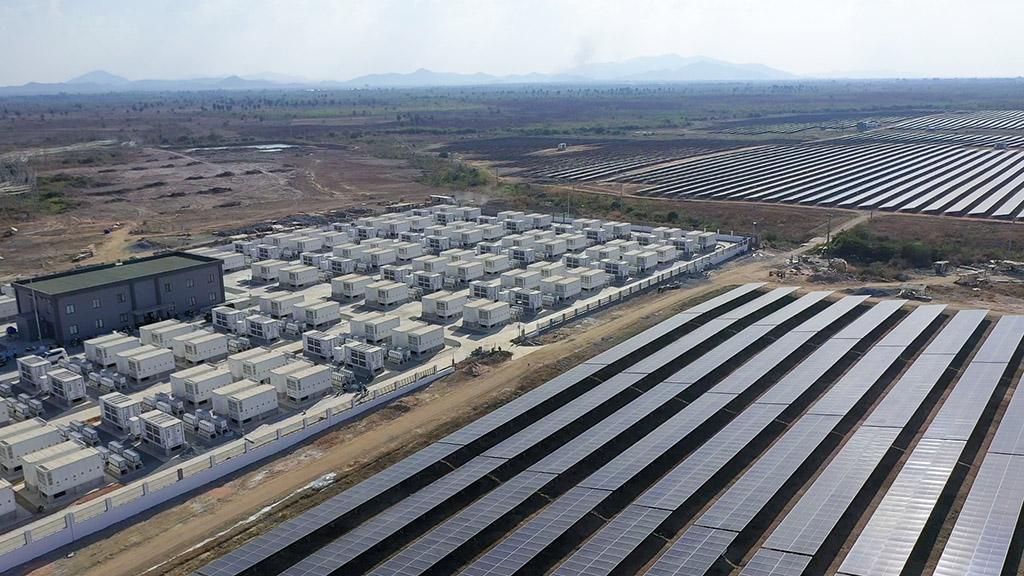
ADB approves 250MW/500MWh grid-forming battery storage project in Cambodia
The Asian Development Bank (ADB) has approved support for a 250MW/500MWh battery energy storage system (BESS) project in Cambodia, developed
 energy-storage.news·10d ago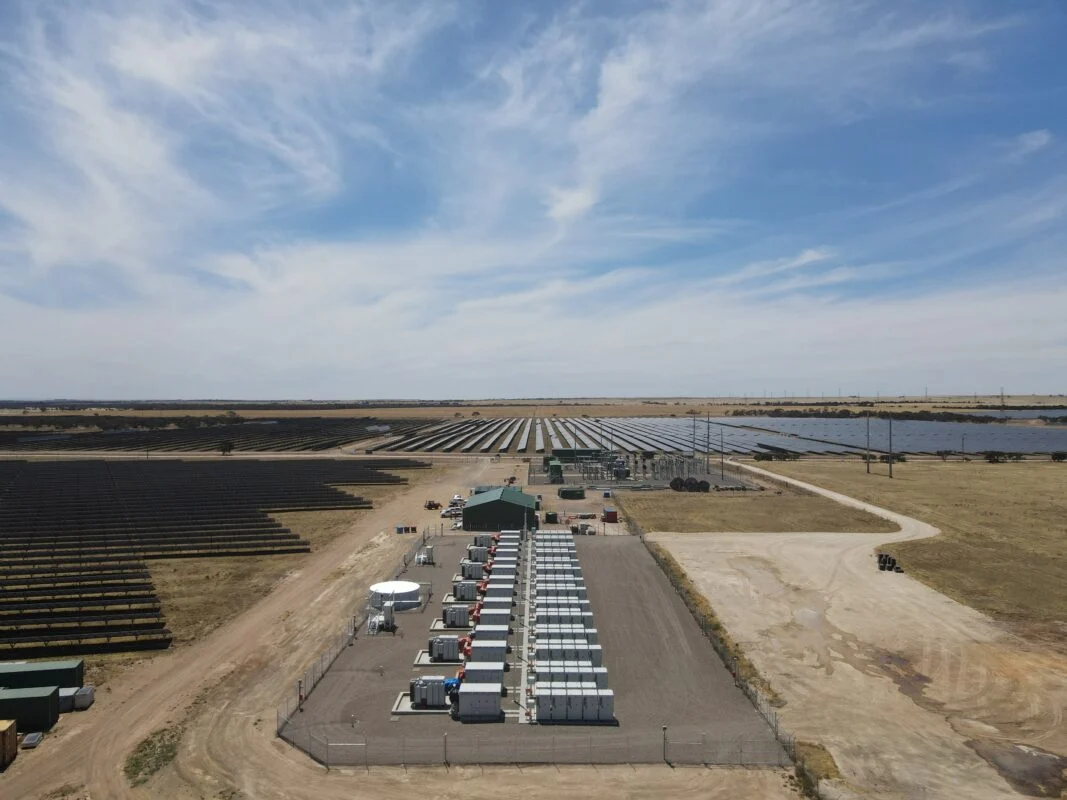
Vena Energy raises AU$1.4 billion in green finance for Australian solar and battery storage expansion
Singapore-based clean energy developer Vena Energy has secured AU$1.4 billion (US$970 million) in green finance to support the development o
energy-storage.news·4d ago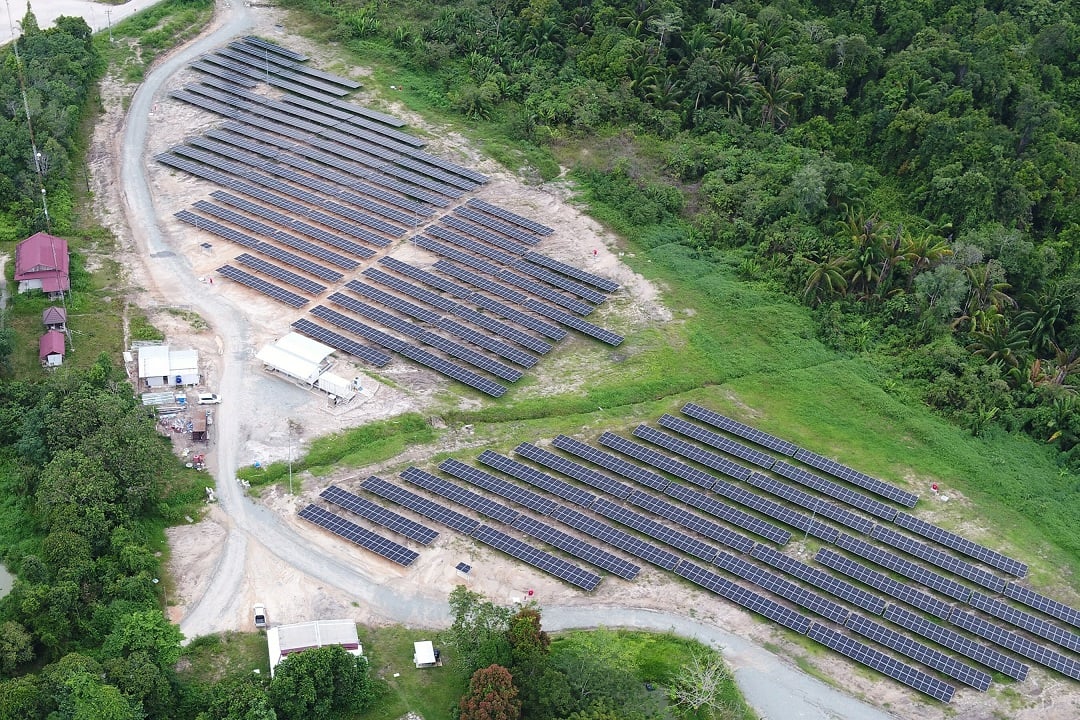
Policy certainty drives APAC battery storage investment decisions, says Banpu NEXT executive
Colin Koon Peng Ho of Banpu NEXT explains that policy certainty and stable regulatory frameworks have become the top priority for battery en
energy-storage.news·16d ago
Mexico launches fast-track permitting program for renewables and battery storage
Mexico's Ministry of Energy (SENER) has launched a fast-track permitting program for renewable energy projects and battery energy storage sy
energy-storage.news·1mo ago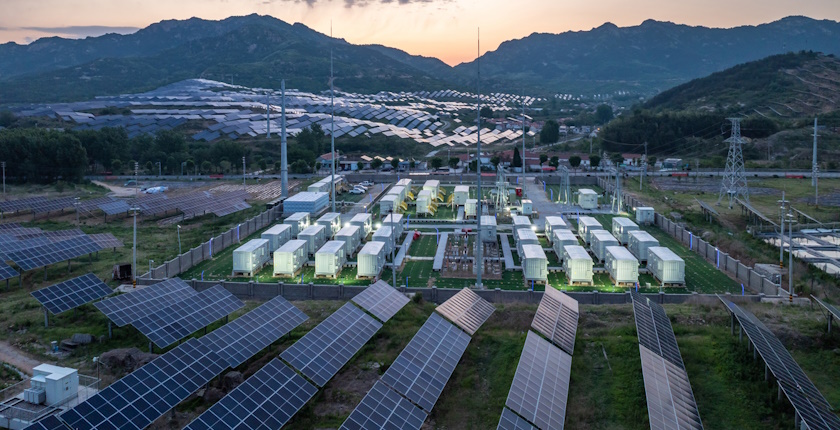
Bulgaria leads the world in battery energy storage share, surpassing 16% of electricity system
Bulgaria has achieved the world's highest share of battery energy storage systems (BESS), with operating power exceeding 16% of its electric
 balkangreenenergynews.com·1mo ago
A New Benchmark Will Reveal the Revenue Potential of Energy Storage Systems in Poland
e-greenify.com·1d ago
Comments
Sign in to join the conversation.
No comments yet. Be the first.