
























Port of Beirut scanners fail to detect distributed militant supply chains across multiple shipments
By
Karim Chebaklo
Summary
The article examines how advanced port scanners at the Port of Beirut failed to detect militant supply chains because the threat was distributed across multiple shipments over time, rather than hidden in any single container. It highlights the limitations of AI-driven cargo inspection systems that can identify individual items but cannot connect patterns across different vessels, companies, and shipping documents. The piece explores how militant groups exploit these gaps in supply chain monitoring by using decentralized procurement methods.
Source

 bskyPort of Beirut scanners fail to detect distributed militant supply chains across multiple shipmentswarontherocks.com
Key quotes
· 3 pulledThe threat was not hidden in any single container. It was spread across many of them, arriving over weeks, through different vessels, different companies, and different bills of lading.
The AI could identify what each shipment contained, but couldn't figure out what those shipments, taken together, meant.
At the Port of Beirut, the new scanners did exactly what they were built to do.
You might also wanna read


The Invisible Pipeline: Human Trafficking, Extremism, and the Case for AI-Driven Detection in Pakistan’s Af-Pak Corridor

Trivy Vulnerability Scanner Compromised in Supply Chain Attack That Harvested CI/CD Credentials
The article details a sophisticated supply chain attack on Aqua Security's Trivy vulnerability scanner in March 2026, where attackers inject
 vaultproof.dev·2mo ago
Researchers Develop Security System Using Cellular Towers as Radar Systems
Researchers in Germany have developed a security system that utilizes existing cellular towers as radar systems to detect small boats and en
spectrum.ieee.org·1y ago
Fashion supply chains face stress test amid fragile US-Iran ceasefire and geopolitical instability
The article examines how fashion companies are navigating supply chain disruptions caused by the US-Iran conflict, including the fragile cea
 vogue.com·1d ago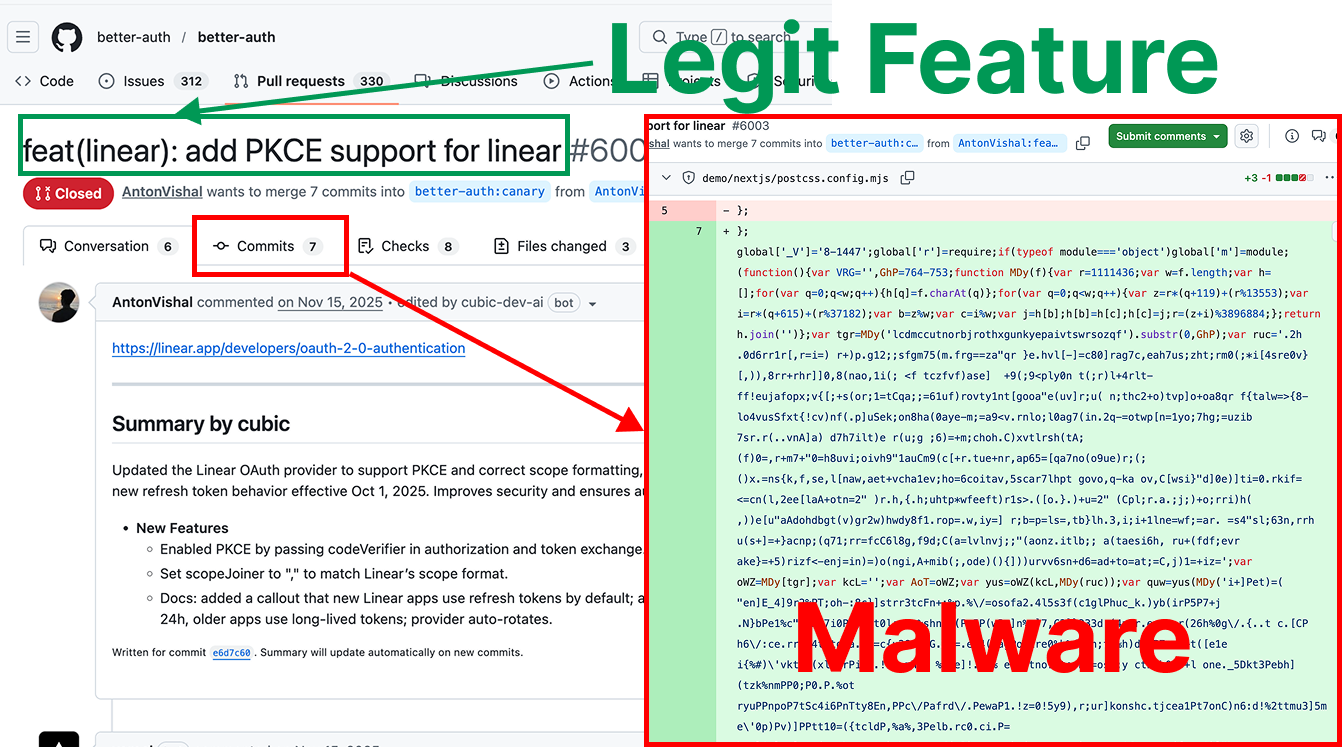
Supply Chain Attacks on Open-Source Software: Case Study of Malicious Pull Request Attempts
The article discusses recent supply chain attacks on open-source software projects like LiteLLM and axios, with a specific case study of att
 casco.com·3mo ago
Comments
Sign in to join the conversation.
No comments yet. Be the first.