
























How AI is accelerating car design and manufacturing processes
The car of the future may have been designed with AI, plus Claude Code vs. Codex, the end of AGI, and more, on The Vergecast.
Read the full articleYou might also wanna read
From 15 hours to one minute: How AI/ML is speeding up GM's development
From 15 hours to one minute: How AI/ML is speeding up GM's development arstechnica.com/cars/2026/06...


How AI Accelerated Prototyping: From Idea to Tangible in Record Time
How AI has changed the way I prototype, plan, and ship; and what I'm doing to keep my hands dirty.
 darylcecile.net·1mo ago
How AI Accelerated Prototyping: From Idea to Tangible in Record Time
How AI has changed the way I prototype, plan, and ship; and what I'm doing to keep my hands dirty.
darylcecile.net·1mo ago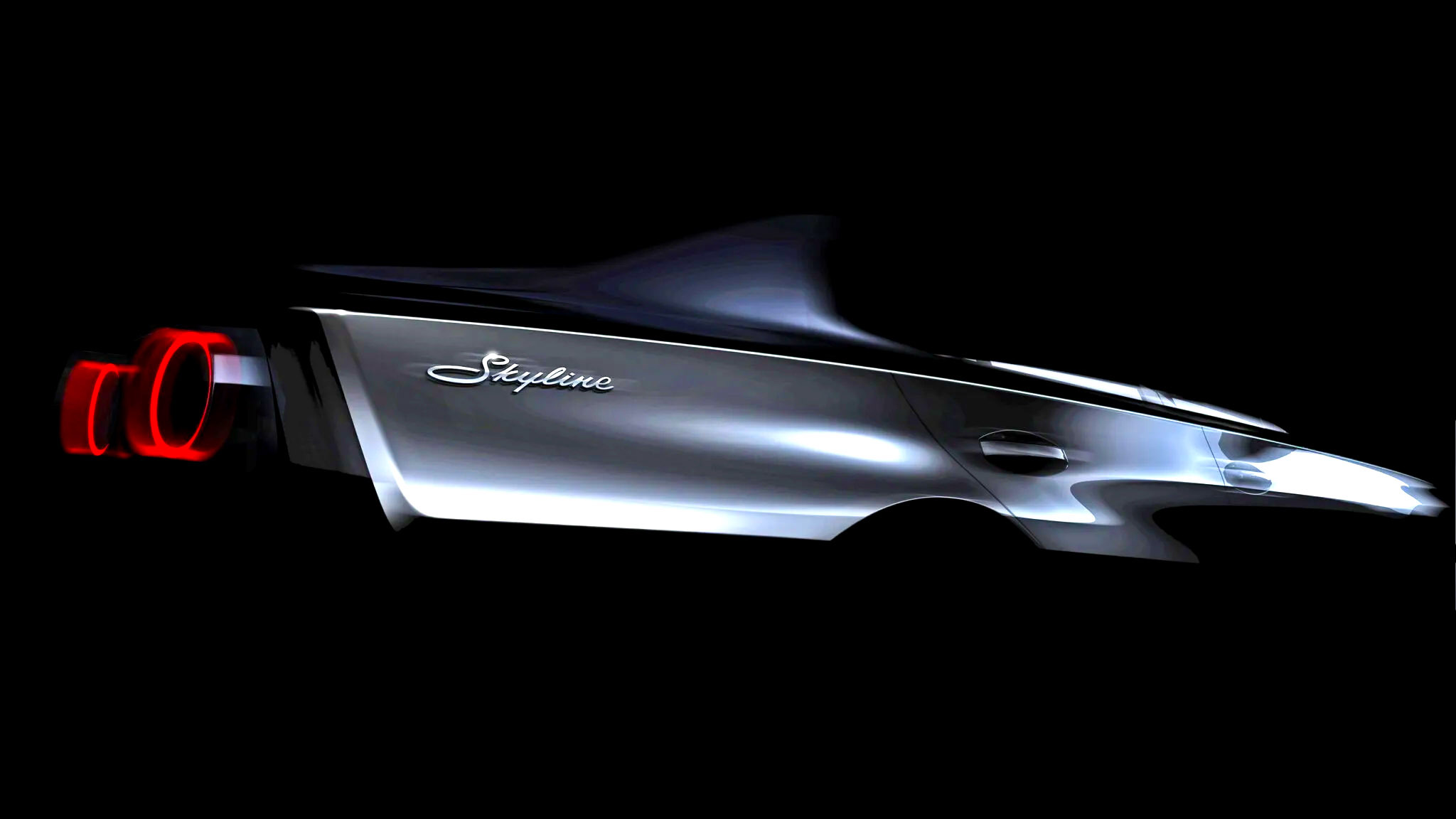
Nissan Cuts Next-Gen Skyline Development Time in Half Using AI and Chinese-Inspired Methods
The next-generation Skyline arrives this winter after a development cycle Nissan nearly halved using AI and digital design tools
 carscoops.com·27d ago
Enterprise AI Profile: Ford Accelerates Product Design and Safety with AI
Ford Motor Company is accelerating its pace in the competitive automotive sphere by reducing the time required for engineering simulations a
AI Tools Accelerate Software Development: Claude Code Recreates Year-Long Project in One Hour
Why we are losing technical rigor to social hype
 carette.xyz·6mo ago
AI is Shortening the Startup Lifecycle
Artificial intelligence is accelerating not only product development but also the process of testing market hypotheses, reducing feedback cy
Comments
Sign in to join the conversation.
No comments yet. Be the first.