
























Weimar: Life on the Edge of Catastrophe – book review
A history tracing the inter-war experiences of people in the city of Weimar during the rise of the Nazis fascinates, but its refusal to consider class limits it, finds Ian Goodyer
Read the full articleYou might also wanna read

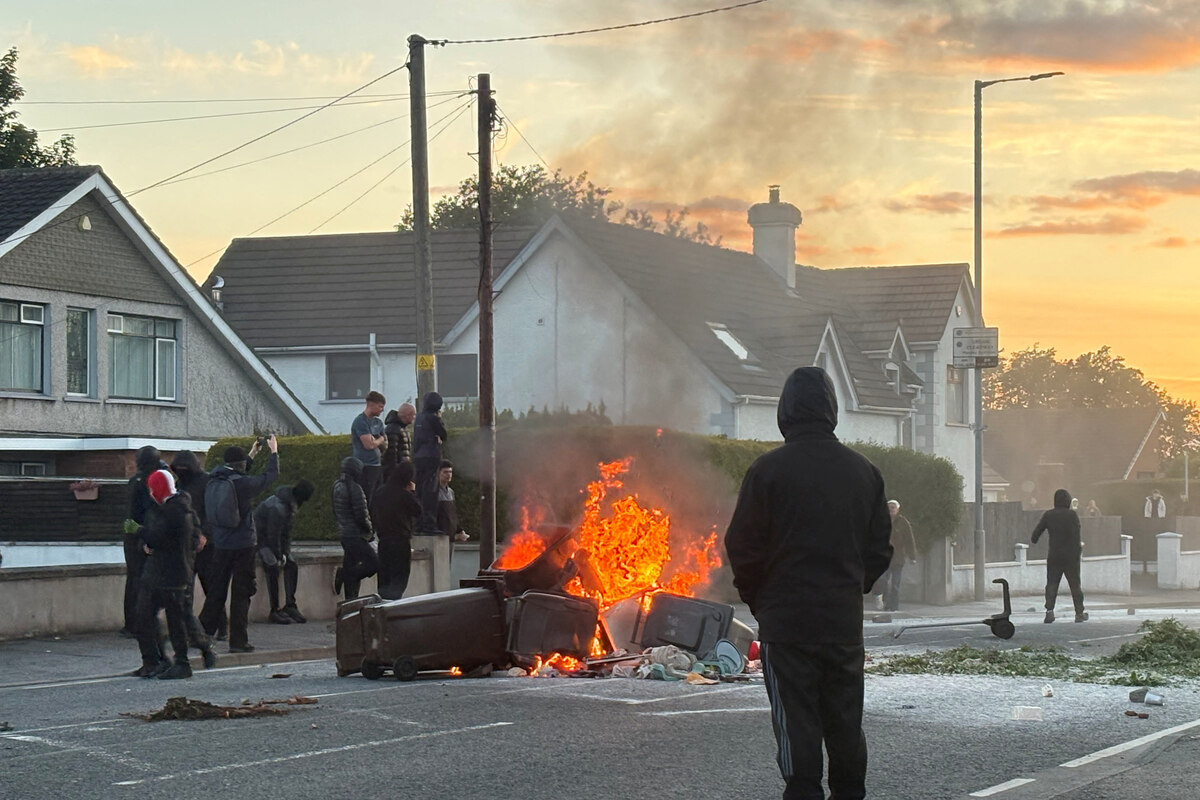
Rassistische Ausschreitungen in Nordirland: Kolonialgeschichte und Armut als Ursachen der Gewalt in Belfast
Wer die Pogrome in Nordirland verstehen will, muss sich die dortige Kolonialgeschichte und Armut anschauen. In der deutschen Presse findet m
 taz.de·26d ago
Life During Class Wartime: How the Richest 0.1% Are Winning the Economic War
War is bad. Don’t start one. But we’re already in a class war and we’re losing. Where by “we” I mean most people; the winning side comprises
Sept livres de Marc Bloch réapparaissent après des décennies d’errance
À Berlin, sept volumes ayant appartenu à l’historien Marc Bloch et à sa belle-sœur Simonne Vidal ont retrouvé leurs héritiers lors d’une cér
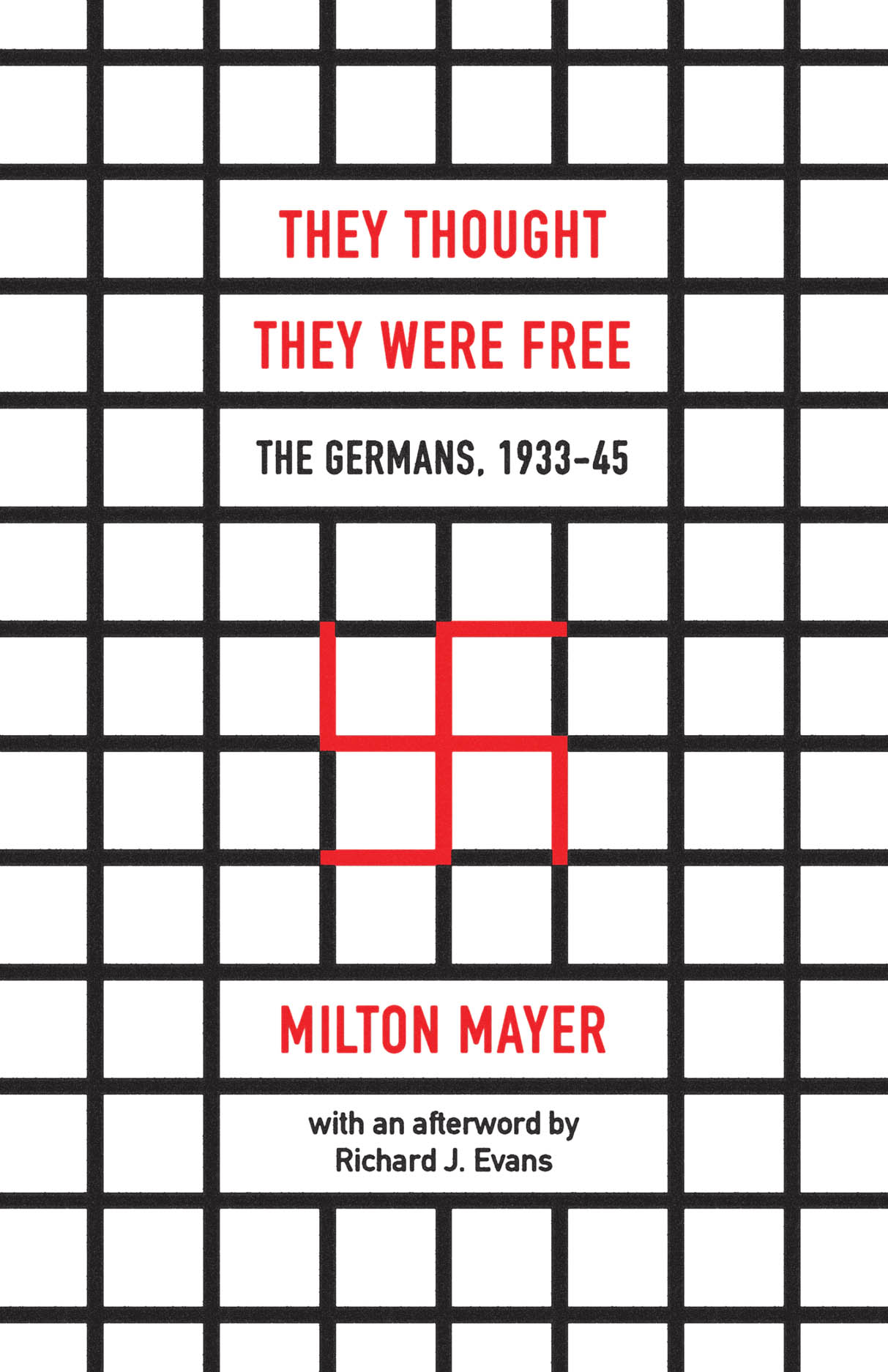
Excerpt from "They Thought They Were Free: The Germans, 1933-45" by Milton Mayer
An excerpt from They Thought They Were Free: The Germans, 1933-45 by Milton Mayer. Also available on web site: online catalogs, secure onlin
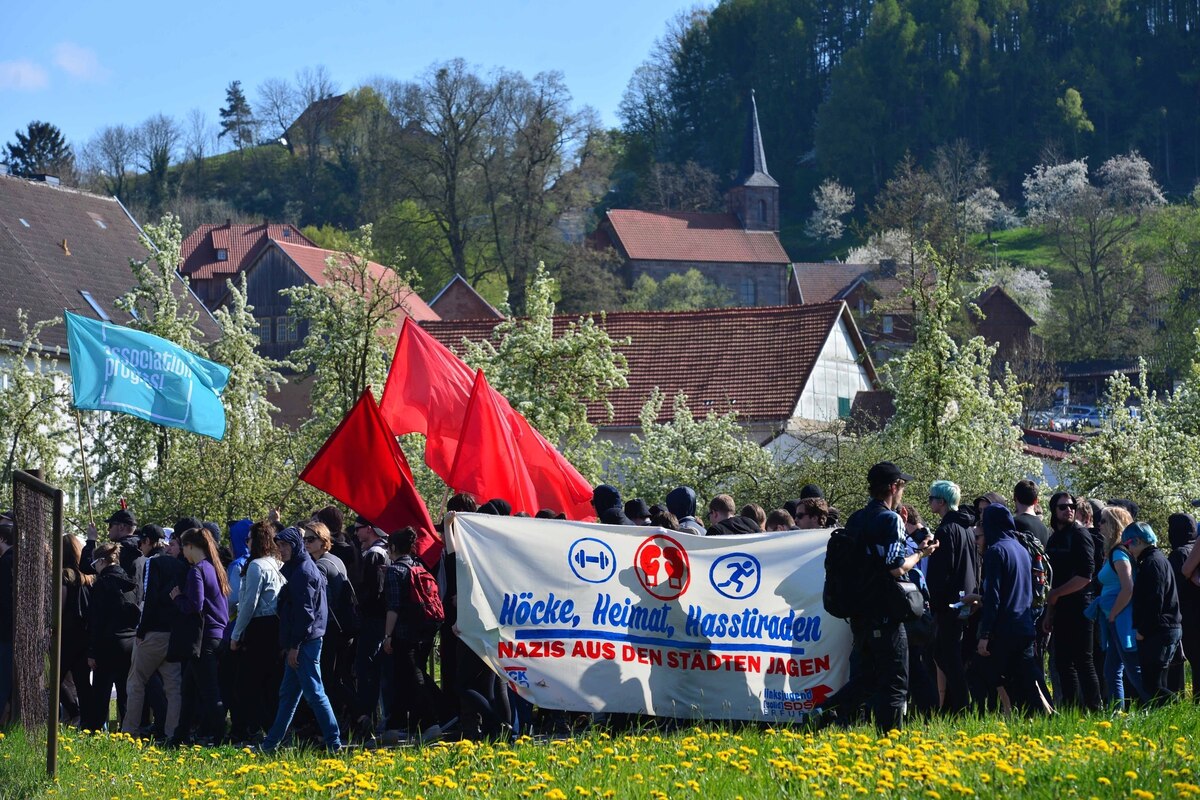
Urban antifascists in rural Germany: Help or hindrance?
Antifas aus der Großstadt fahren gern aufs Land, um die Genoss*innen vor Ort zu unterstützen. Aber ist das überhaupt eine Hilfe?
taz.de·5d agoLes maisons parachutées : un polar historique signé Didier Daeninckx
Cette enquête de Didier Daeninckx dans la mémoire des résistants et déportés est une poignante immersion au cœur des années 50 de l’immédiat
Comments
Sign in to join the conversation.
No comments yet. Be the first.