

























UT Austin engineers develop wearable jacket that harvests drinking water from air
By
Aman Tripathi
Summary
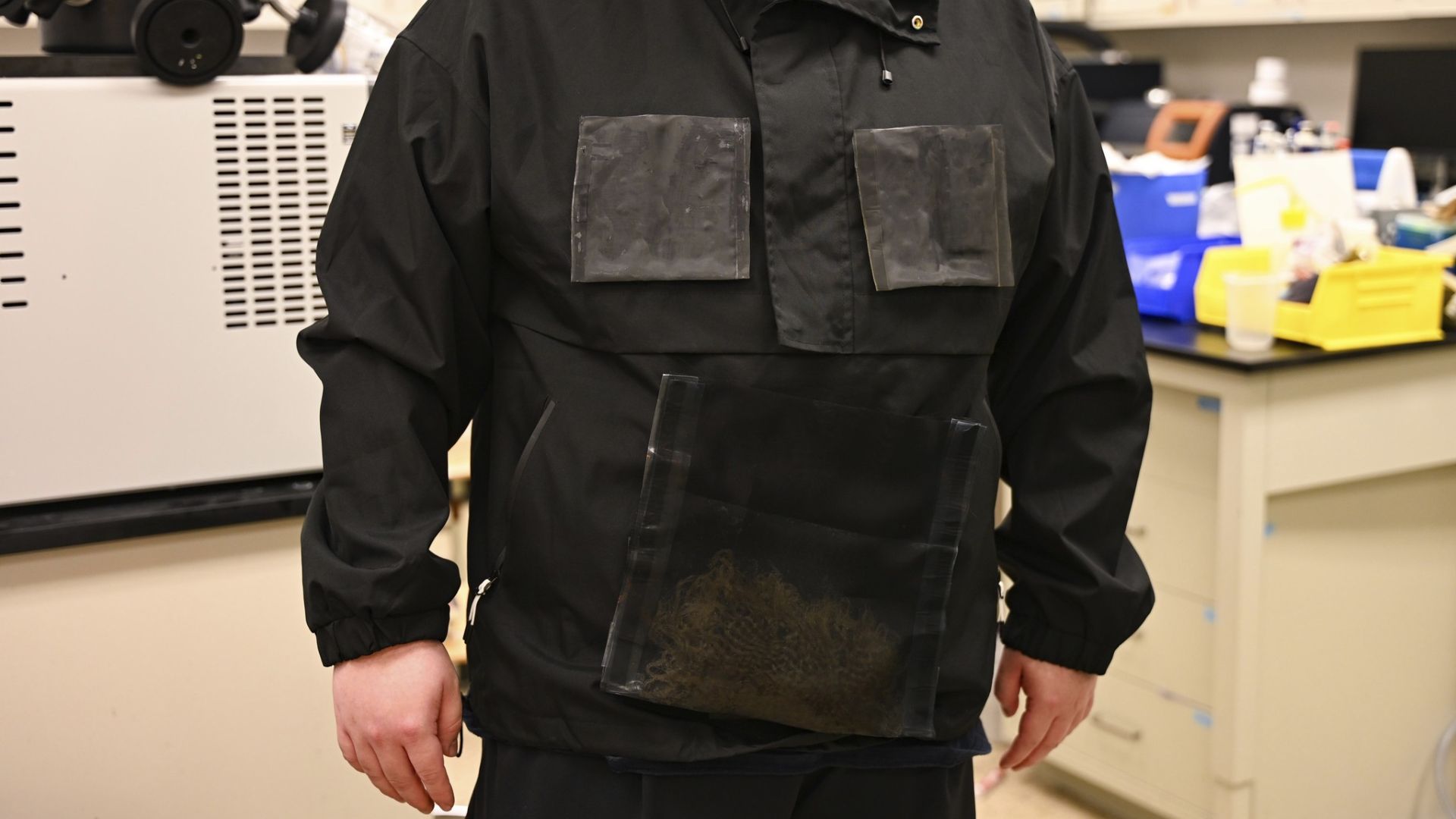
Engineers at the University of Texas at Austin have developed a wearable jacket that can harvest clean drinking water from the air by absorbing atmospheric moisture and releasing it through solar heating. The technology is designed to provide a portable water source for hikers, campers, agricultural workers, and emergency responders in areas lacking infrastructure. The key innovation is not just creating another water-absorbing material, but integrating it into a functional wearable system.
Source
 bskyUT Austin engineers develop wearable jacket that harvests drinking water from airinterestingengineering.com
Key quotes
· 1 pulledThe important advance here is that the team did not simply make another material that absorbs water
The technology functions by absorbing atmospheric moisture and releasing it through solar heating.
You might also wanna read

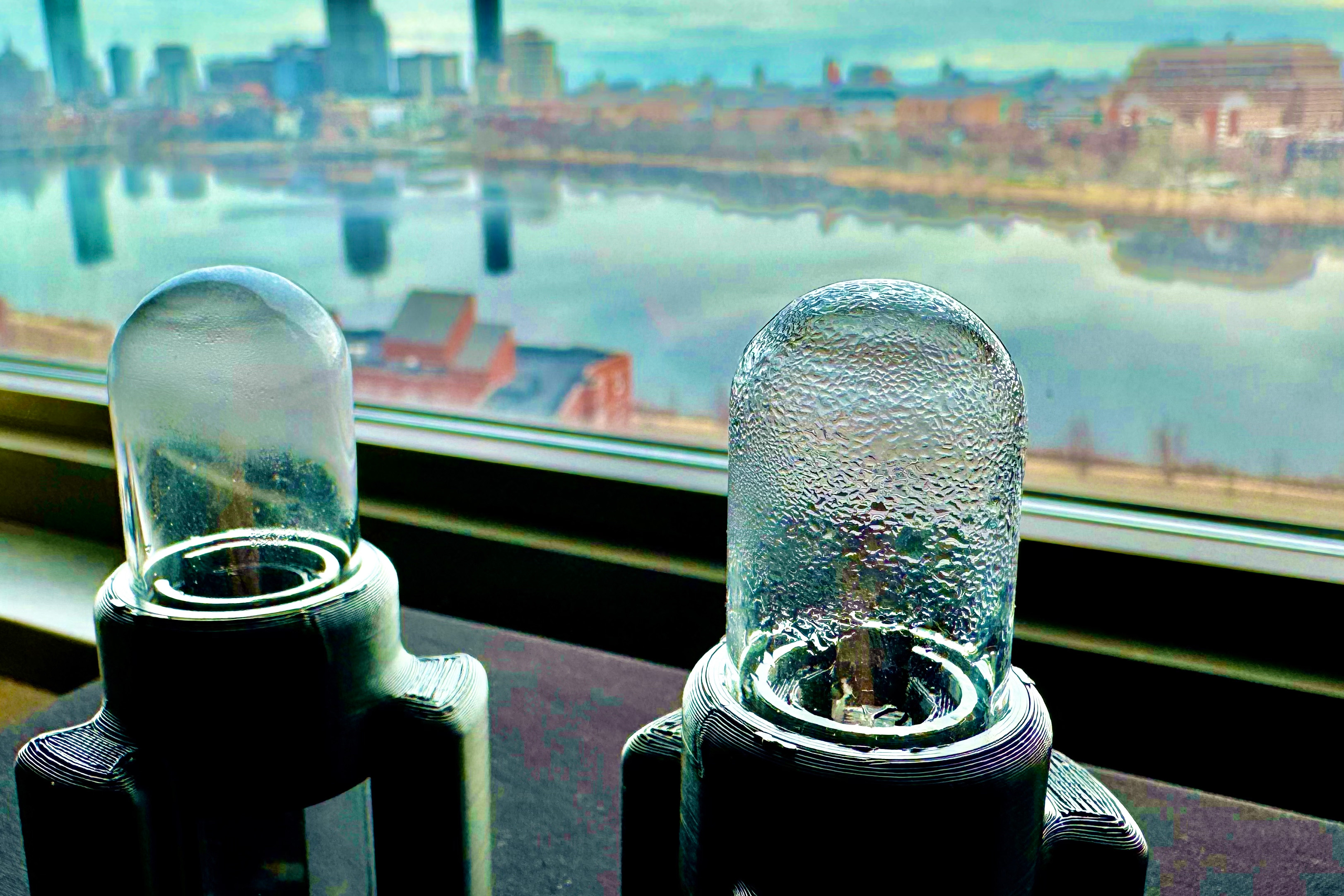
MIT Researchers Develop Ultrasonic Device for Rapid Atmospheric Water Harvesting
MIT researchers have developed a new ultrasonic device that dramatically speeds up the process of harvesting drinking water from the air. Un
 news.mit.edu·6mo ago
Hierarchical textile fibers enable scalable wearable atmospheric water harvesting
This article presents a scientific study on the development of hierarchical textile fibers for sorption-based atmospheric water harvesting (
 scim.ag·21h ago
Graduate Develops Retrofit Rainwater Harvesting System to Combat Water Scarcity
Northumbria University graduate Hope Underwood has developed a retrofit rainwater harvesting system called 'Mains to Rains,' designed to div
 Dezeen·10mo ago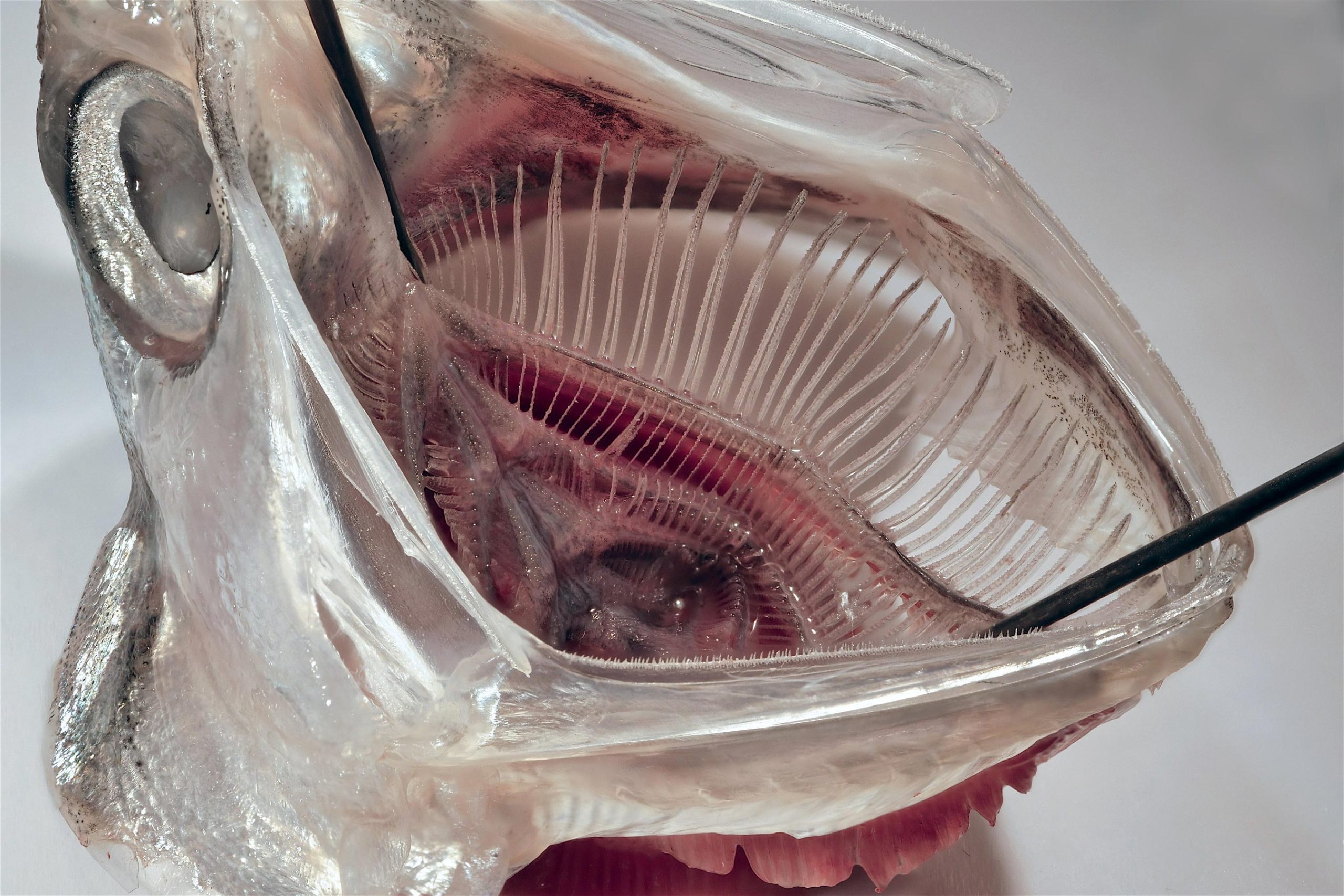
University of Bonn Researchers Develop Fish-Inspired Filter That Removes 99% of Microplastics from Wastewater
Researchers at the University of Bonn have developed a new filter inspired by fish gill arches that can remove over 99% of microplastics fro

Virginia Tech Scientists Enhance Fog Harp Design to Prevent Clogging
Virginia Tech scientists have developed an improved fog harp design to address clogging issues in fog-harvesting devices, enhancing water co
arstechnica.com·1y ago
Virginia Tech Researchers Develop 3D-Printed Cooling System with Ancient Techniques
Researchers at Virginia Tech have developed a 3D-printed, evaporative cooling system using hollow clay columns filled with sand and water to
Dezeen·1y agoComments
Sign in to join the conversation.
No comments yet. Be the first.