
























We tend to think Voyager 1 has already left the solar system, but it has only crossed beyond the Sun’s protective plasma bubble — NASA says it will take another 300 years to reach the inner edge of the Oort Cloud, and perhaps 30,000 years to pass beyond t
Voyager 1 is in interstellar space. It is also still inside the Solar System. Those statements appear contradictory only because there is no single physical line that can serve every meaning of the…
Read the full articleYou might also wanna read


On November 18, 2026, Voyager 1 becomes the first thing humanity has ever built to sit a full light-day away — a full day for any signal to reach it.
On November 18, 2026, Voyager 1 will cross a milestone no machine has ever reached: it will sit a full light-day from Earth. From that dista
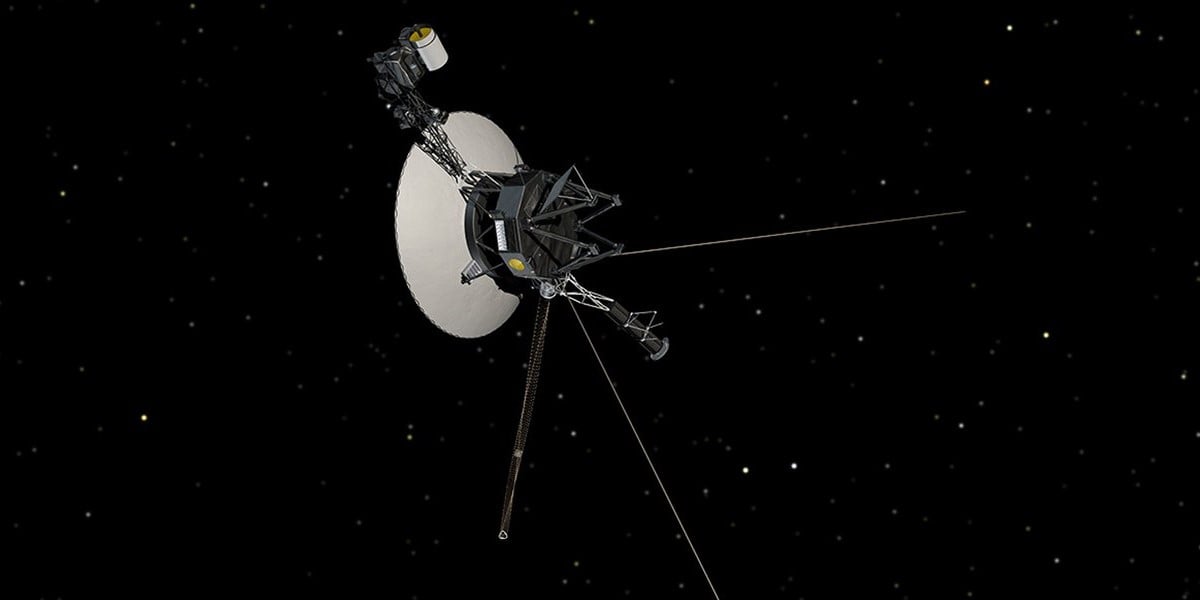
Voyager 1 marks 48 years in space as power-saving measures begin
: Powered by plutonium, running on pure stubbornness
 theregister.com·10mo ago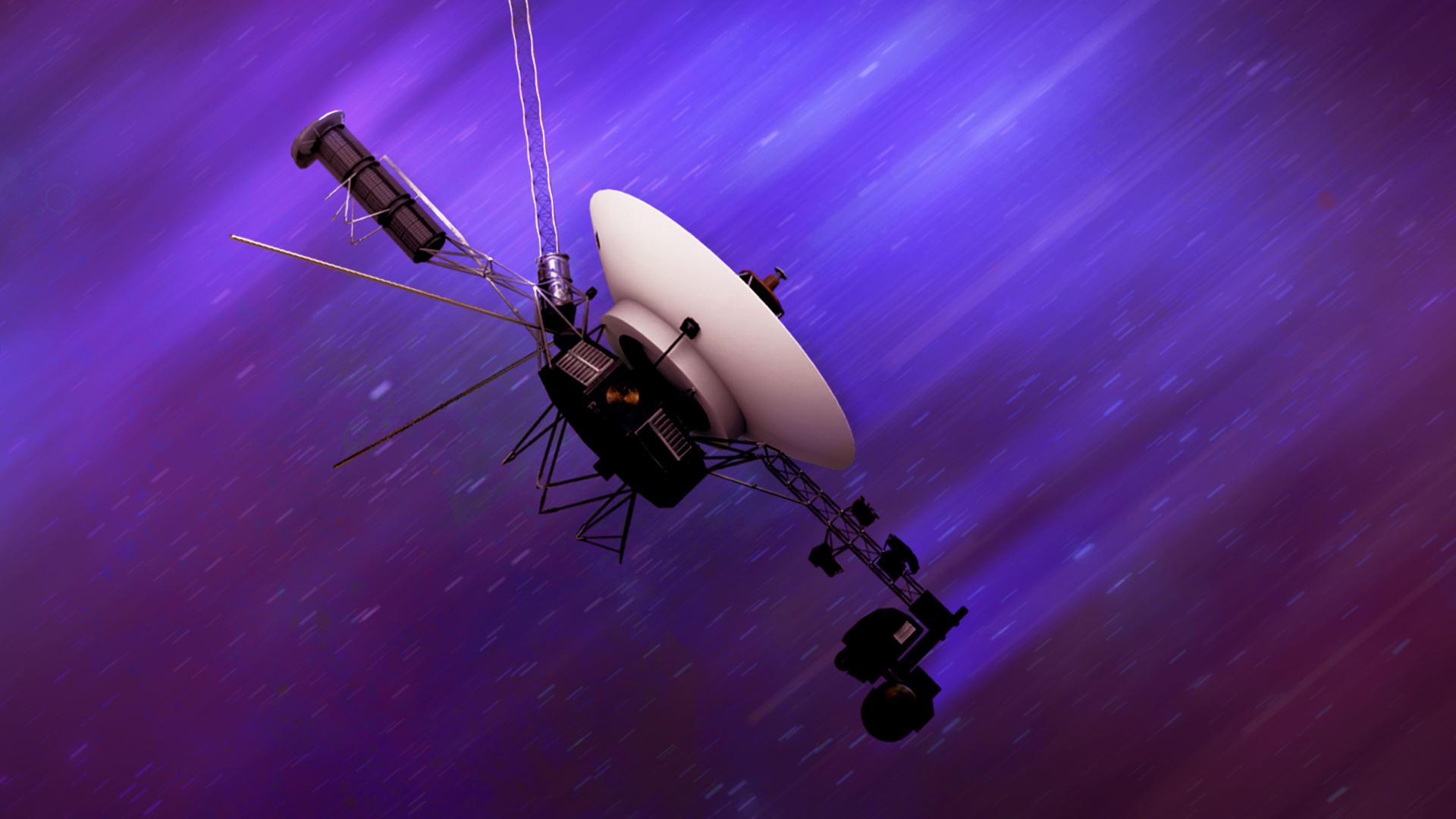
Voyager 1 to Reach One Light-Day Distance from Earth by November 2026
After nearly 50 years in space, NASA’s Voyager 1 is about to hit a historic milestone. By November 15, 2026, it will be 16.1 billion miles (
 scienceclock.com·7mo ago
NASA's Voyager Probes Encounter 'Wall of Fire' at Solar System's Edge
Temperatures there reach an astonishing 30,000-50,000 kelvin.
iflscience.com·1y ago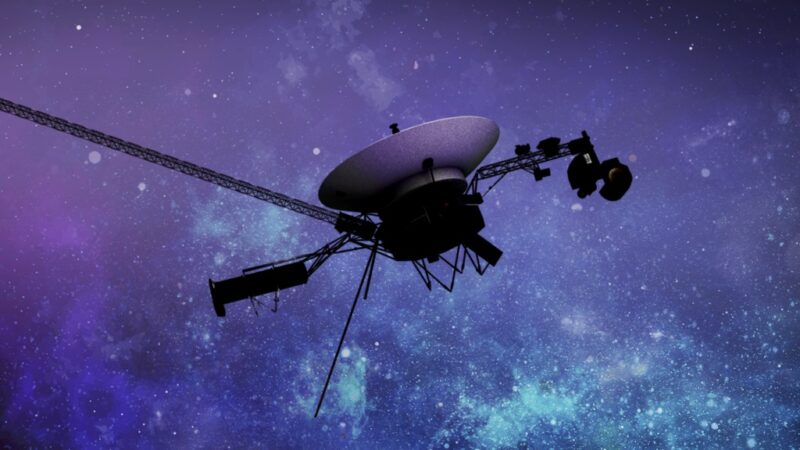
Voyager 1 to reach 1 light-day from Earth on November 18, 2026
Science matters. Wonder matters. You matter. Join our 2026 Donation Campaign today.
 earthsky.org·20d ago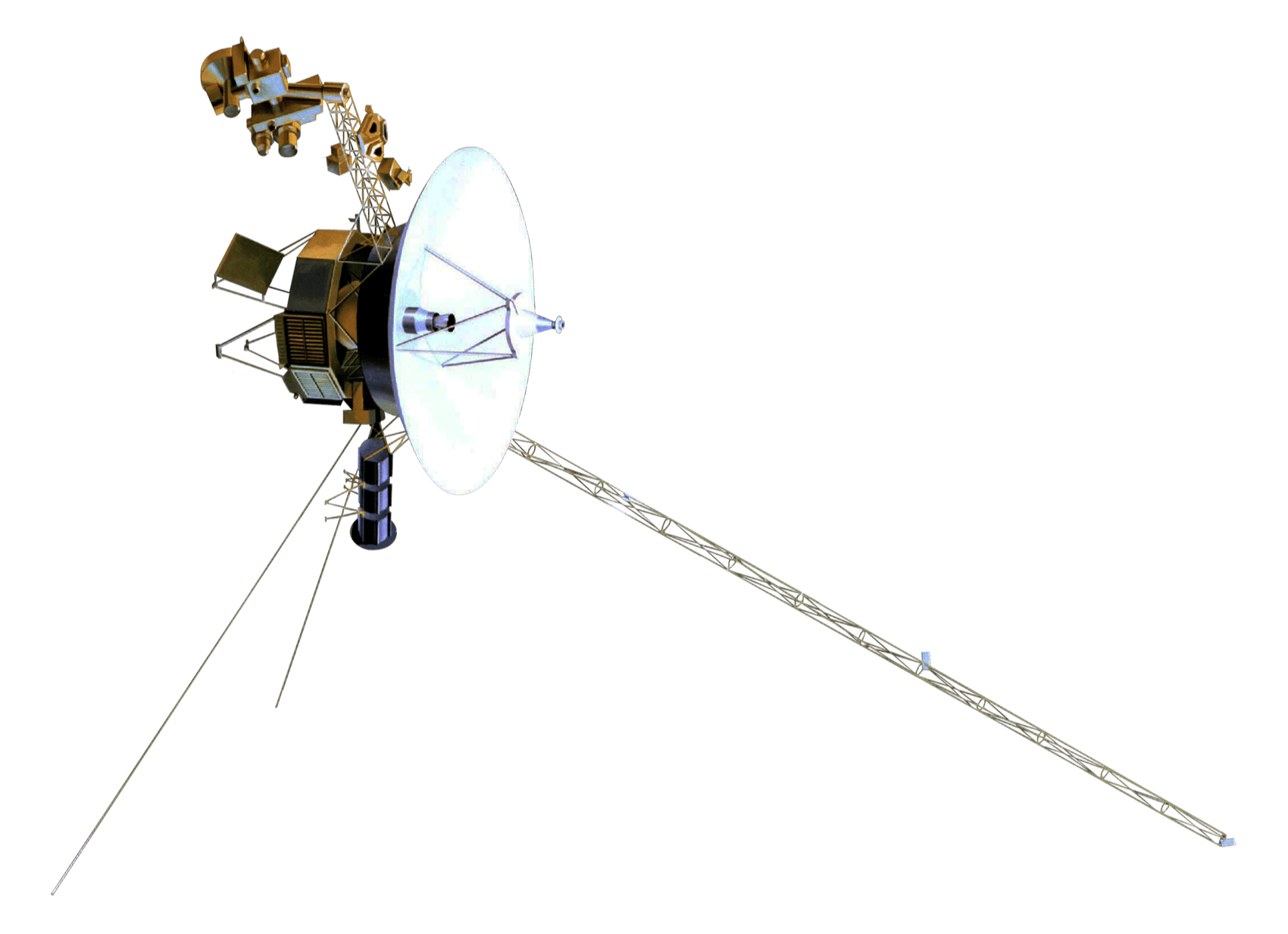
The 49-Year-Old Spacecraft Still Talking From Deep Space
Voyager 1 was built for four years. Nearly 50 years later, it is still talking from interstellar space through brilliant engineering and rep
Comments
Sign in to join the conversation.
No comments yet. Be the first.