
























Was Homo floresiensis a Hunter or a Scavenger?
WASHINGTON, D.C.—According to a Phys.org report, E. Grace Veatch of the Smithsonian Institution and her […] The post Was Homo floresiensis a Hunter or a Scavenger? appeared first on Archaeology…
Read the full articleYou might also wanna read


Study reveals Homo floresiensis was a scavenger, not a hunter, challenging assumptions about the 'hobbit' species
The extinct human species Homo floresiensis was a scavenger, not a hunter, an analysis of fossil animal bones reveals.
 Live Science·6d ago
Study reveals Homo floresiensis was a scavenger, not a hunter, challenging assumptions about the 'hobbit' species
The extinct human species Homo floresiensis was a scavenger, not a hunter, an analysis of fossil animal bones reveals.
livescience.com·6d ago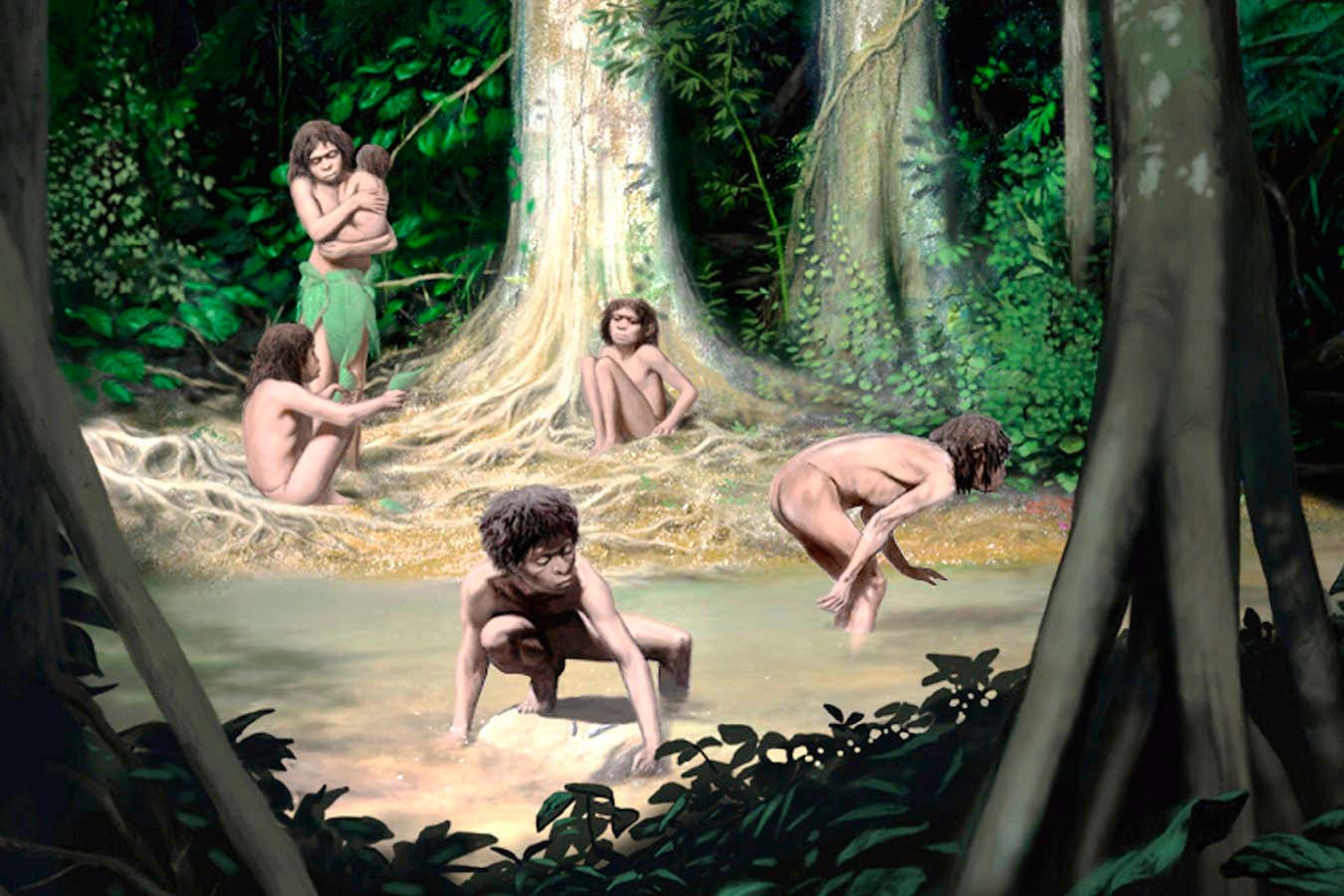
Study suggests Homo floresiensis scavenged meat left by Komodo dragons rather than hunting big game
An experiment that involved feeding a dead goat to a Komodo dragon as well as an analysis of thousands of ancient bones suggests that Homo f
 newscientist.com·6d ago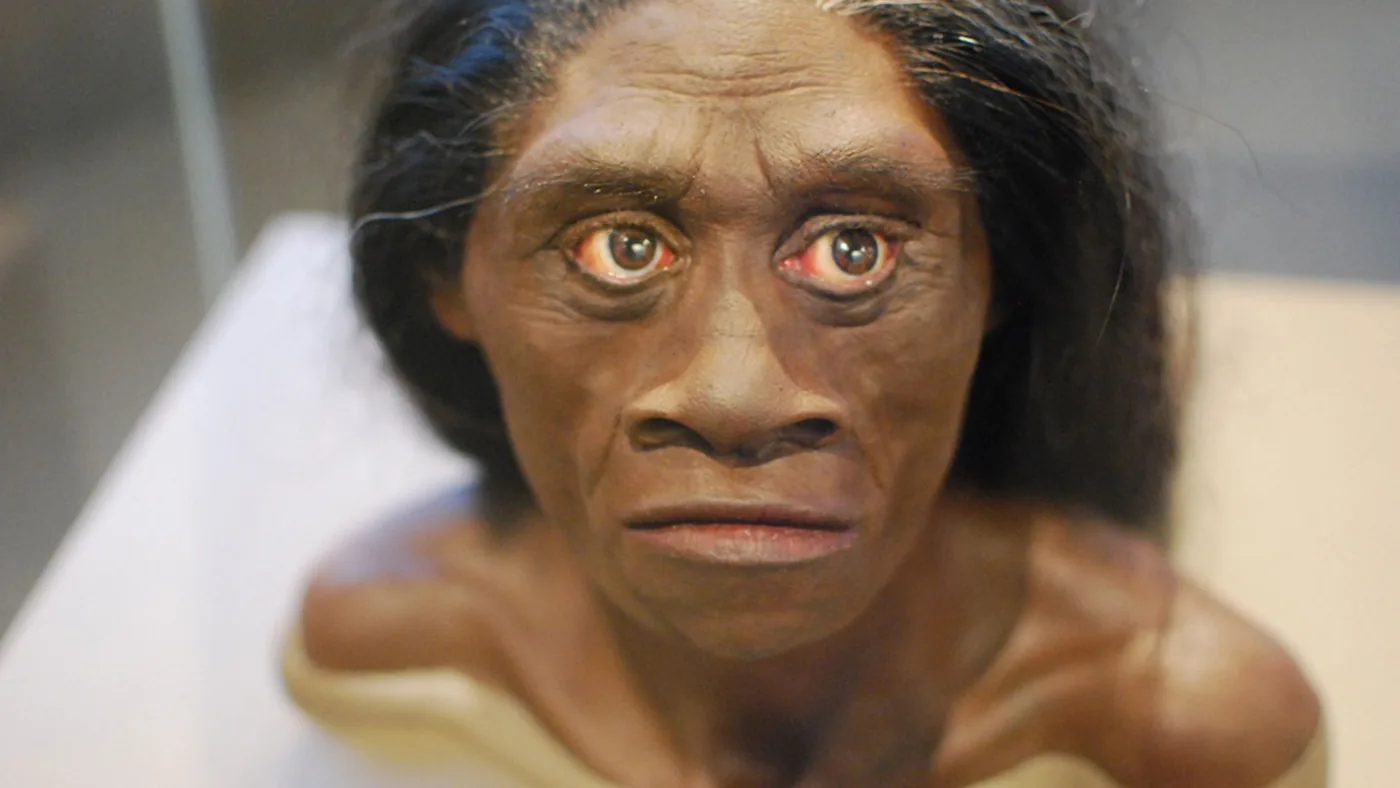
Study suggests Homo floresiensis scavenged Komodo dragon leftovers rather than hunting
Homo floresiensis may have scavenged Komodo dragon leftovers instead of hunting small elephant relatives.
 sciencenews.org·1d ago
Study suggests Homo floresiensis scavenged Komodo dragon leftovers rather than hunting
Homo floresiensis may have scavenged Komodo dragon leftovers instead of hunting small elephant relatives.
sciencenews.org·1d ago
Hobbit-like Humans May Have Scavenged Komodo Dragons' Leftovers to Survive
CNN reports: Prehistoric human relatives, nicknamed "hobbits" due to their short stature, may have been scavengers, rather than skilled hunt

Taphonomic study suggests Komodo dragons, not Homo floresiensis, had primary access to large prey at Liang Bua
Since its discovery, Homo floresiensis—an extinct, short-statured, and small-brained hominin species from Flores, Indonesia—has often been a
 science.org·4d ago
Flores Hobbits' eating habits offer clues about their evolutionary past
If Homo floresiensis wasn't a fire-using hunter, its origins could be different than we thought.
Comments
Sign in to join the conversation.
No comments yet. Be the first.