
























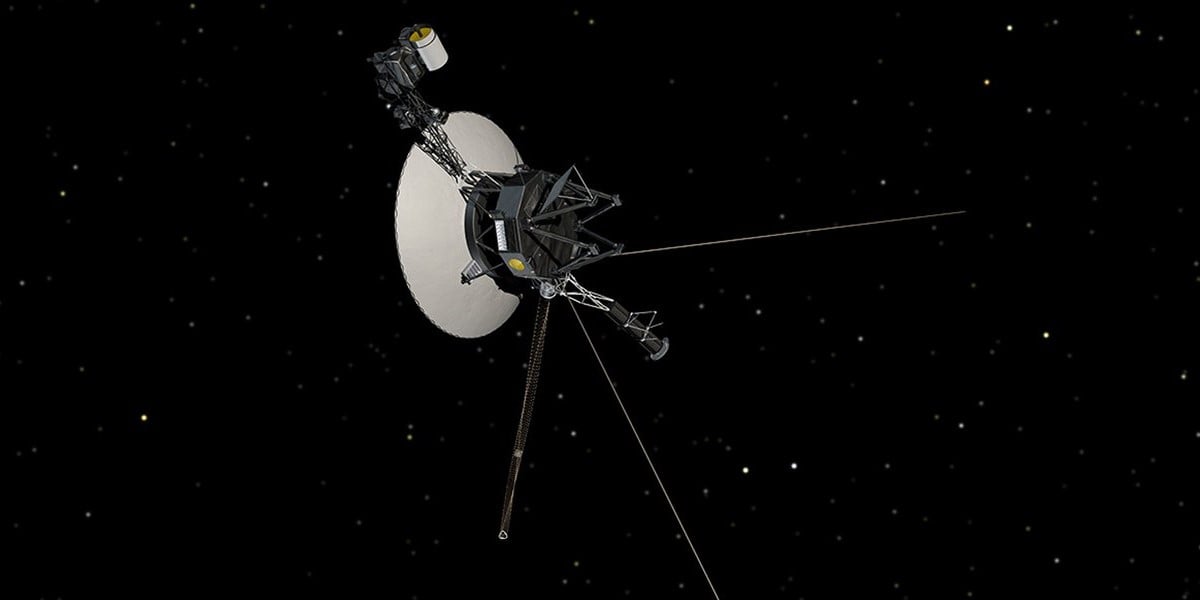
Voyager 1 crossed into interstellar space in 2012 and Voyager 2 followed in 2018, yet both encountered the edge of the heliosphere at almost the same distance from the Sun—121.6 and roughly 119 astronomical units—even though they crossed in different dire
The two Voyagers left the Sun's bubble six years apart, in different directions and at opposite ends of the solar cycle, yet found its edge at nearly the same distance. Scientists are not sure why…
Read the full articleYou might also wanna read

Voyager 1 marks 48 years in space as power-saving measures begin
: Powered by plutonium, running on pure stubbornness
 theregister.com·10mo ago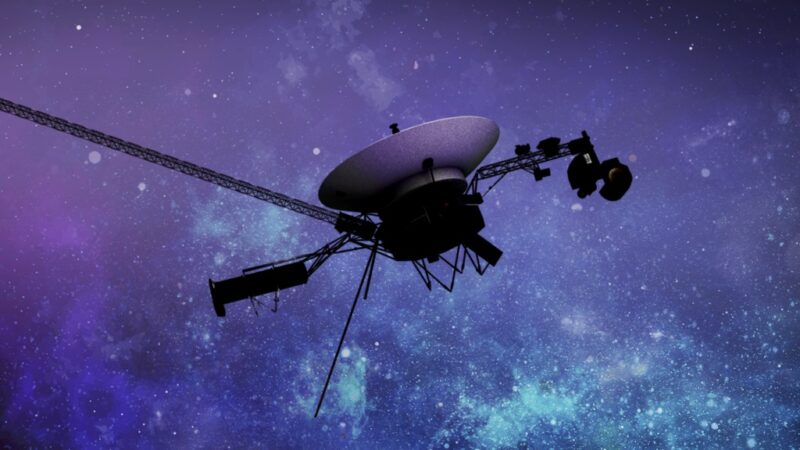
Voyager 1 to reach 1 light-day from Earth on November 18, 2026
Science matters. Wonder matters. You matter. Join our 2026 Donation Campaign today.
 earthsky.org·15d ago
On November 18, 2026, Voyager 1 becomes the first thing humanity has ever built to sit a full light-day away — a full day for any signal to reach it.
On November 18, 2026, Voyager 1 will cross a milestone no machine has ever reached: it will sit a full light-day from Earth. From that dista
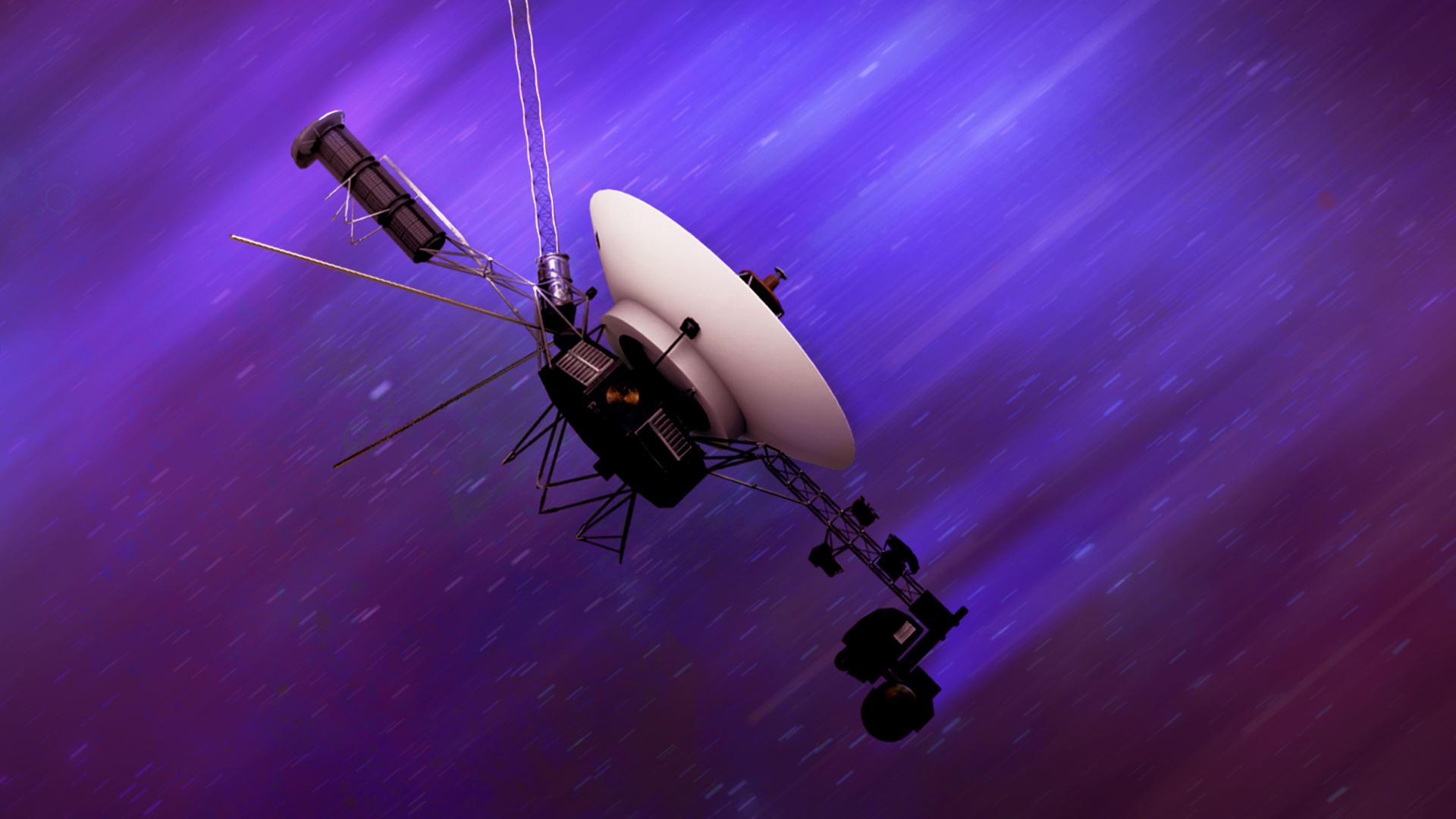
Voyager 1 to Reach One Light-Day Distance from Earth by November 2026
After nearly 50 years in space, NASA’s Voyager 1 is about to hit a historic milestone. By November 15, 2026, it will be 16.1 billion miles (
 scienceclock.com·7mo ago
July 9, 1979: Voyager 2’s Jupiter visit
On July 9, 1979, NASA’s Voyager 2 spacecraft came within 404,003 miles (650,180 kilometers) of Jupiter. Launched in August 1977, the Voyager
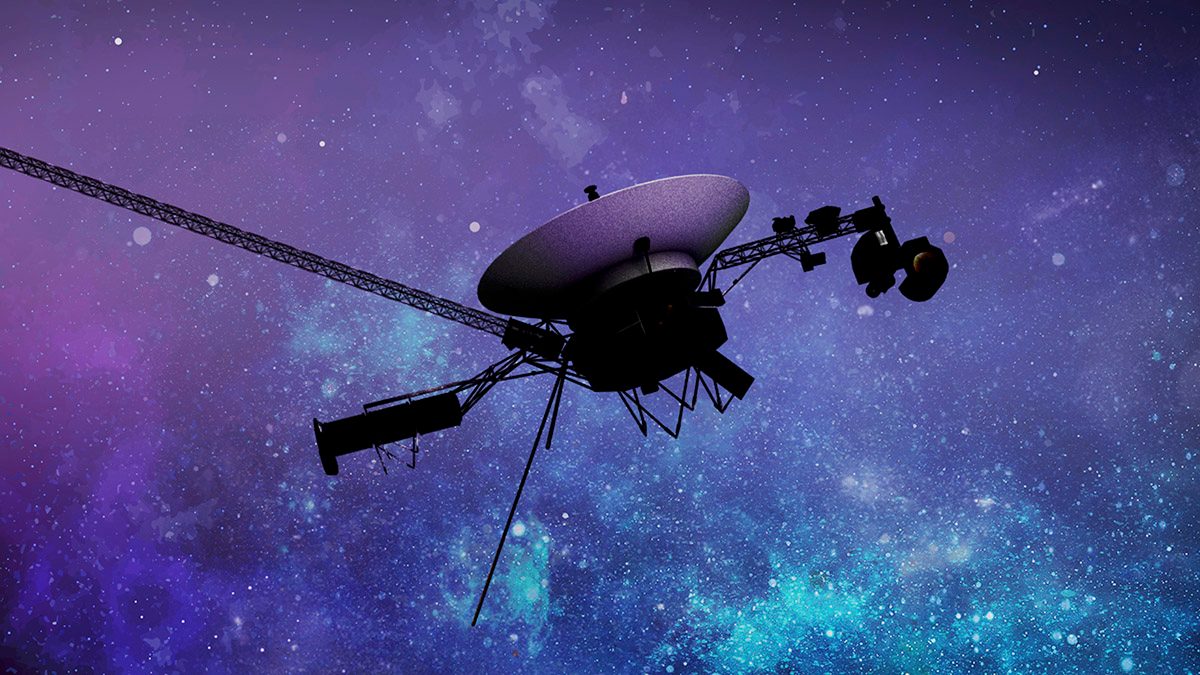
Voyager 1 to reach one light-day from Earth by November 2026
Around 13 November in 2026, Voyager 1 will be one light-day from Earth. A light-day is the distance light travels in a vacuum in 24 hours.
 skyatnightmagazine.com·1mo ago
Comments
Sign in to join the conversation.
No comments yet. Be the first.