
























The Evolution of Cataract Surgery: From Sandbags to Same-Day Recovery
By
beatrice
Summary
The article traces the evolution of cataract surgery from the 1960s—when it was a grueling procedure requiring lengthy hospital stays and sandbag head immobilization—to modern minimally invasive techniques. It highlights key innovations including intraocular lens implants, phacoemulsification (ultrasound to break up the lens), and laser-assisted surgery, which have transformed cataract treatment into a quick outpatient procedure with rapid recovery. The piece emphasizes how these advances have dramatically improved patient outcomes and quality of life.
Source

 bskyThe Evolution of Cataract Surgery: From Sandbags to Same-Day Recoverylaskerfoundation.org
Key quotes
· 4 pulledIn the early 1960s, cataract surgery was an ordeal that upended patients' lives.
During the operation, the surgeon made a cut that extended halfway around the eye's front surface, reached in with forceps, and gently pulled out the cloudy lens.
After the operation, patients spent up to 10 days in a hospital bed, sometimes with their head held in place by sandbags.
Even when discharged, patients faced at least a month of recuperation.
You might also wanna read
Laser Eye Surgery After 40: What You Need to Know Before You Choose

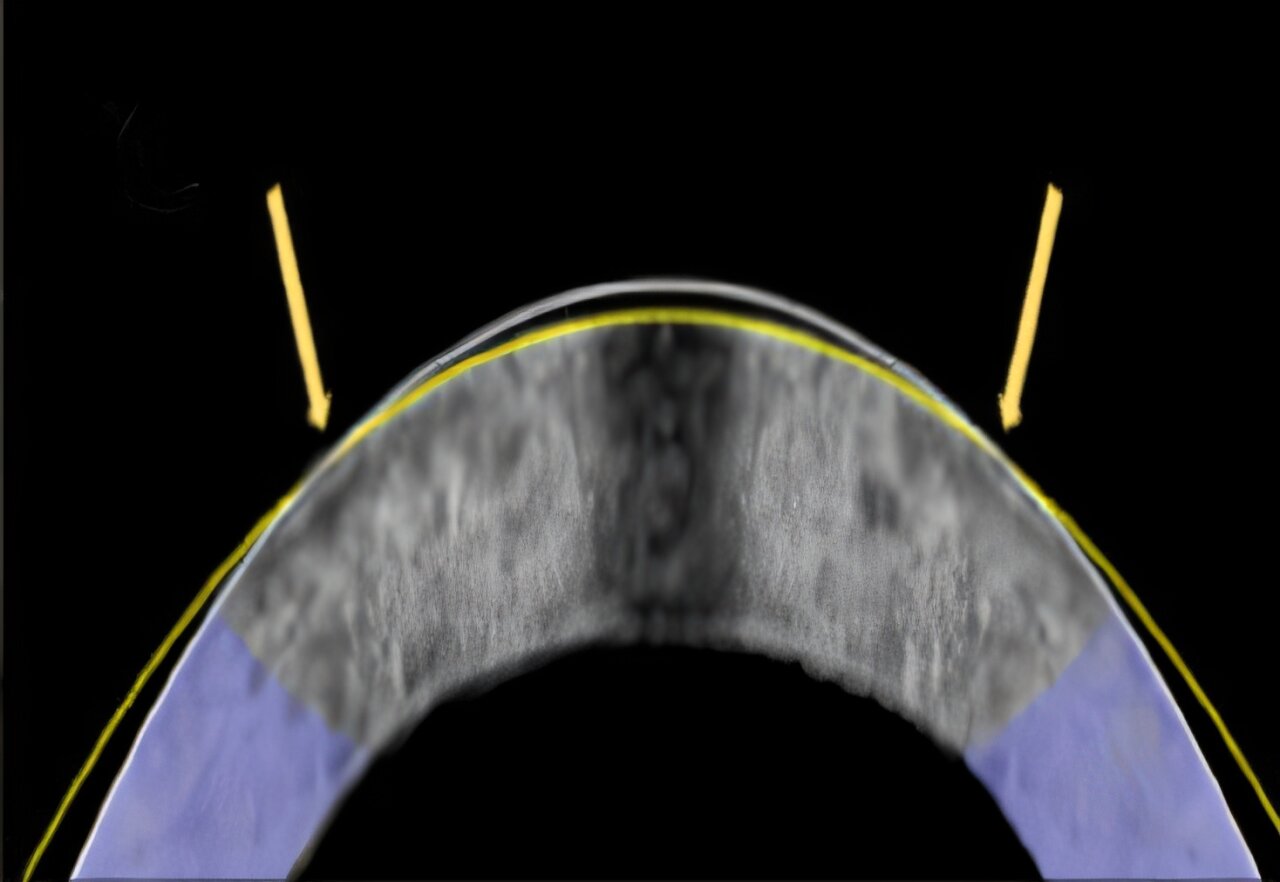
Electromechanical Reshaping: A Laser-Free Alternative to LASIK for Vision Correction
The article discusses an alternative to LASIK surgery called electromechanical reshaping, which successfully flattened a rabbit cornea witho
 medicalxpress.com·10mo ago
Standard vs. Premium Cataract Lenses: What Aging Eyes Need to Know

Electromechanical Reshaping: A Safer Alternative to Laser Eye Surgery
Electromechanical reshaping (EMR) is a new surgical technique that uses electricity instead of lasers to reshape the cornea for vision corre
 spectrum.ieee.org·10mo ago
Electrical Current Technique Offers Non-Surgical Alternative to LASIK Vision Correction
Scientists have developed a non-surgical vision correction technique using electrical currents and custom contact lenses to reshape corneas.
Comments
Sign in to join the conversation.
No comments yet. Be the first.