
























Viability of the Early JUICE Flyby Trajectories to Confirm Ocean Existence at Ganymede
Shivangi Sharan et al 2025 Planet. Sci. J. 6 44 Though the orbital phase of the Jupiter Icy Moons Explorer is expected to reveal the most information about the internal ocean of the largest moon in…
Read the full articleYou might also wanna read

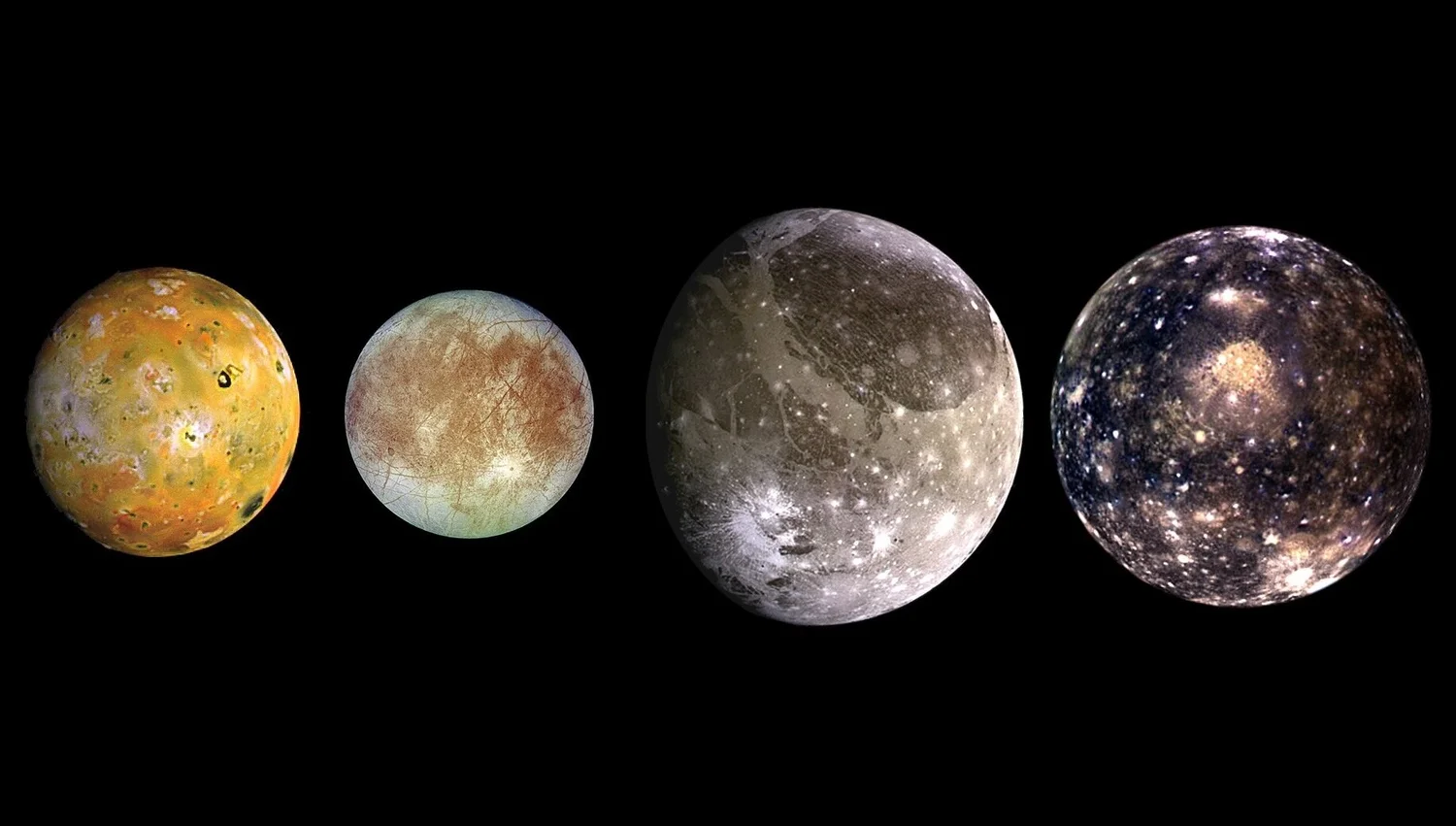
Exploring Jupiter's Galilean moons: Why Io, Europa, Ganymede, and Callisto fascinate scientists
Jupiter has 79 known moons, the four largest of which are known as the 'Galilean moons'. These four worlds are among the most fascinating in
 universal-sci.com·6d ago
Exploring Jupiter's Galilean moons: Why Io, Europa, Ganymede, and Callisto fascinate scientists
Jupiter has 79 known moons, the four largest of which are known as the 'Galilean moons'. These four worlds are among the most fascinating in
universal-sci.com·6d ago
Scientists adapt ecological analysis methods to detect potential life on icy moons like Enceladus and Europa
Future missions may be able to take only a small, damaged sample from space back to Earth. A simple analysis tool could help determine wheth
 theconversation.com·1mo ago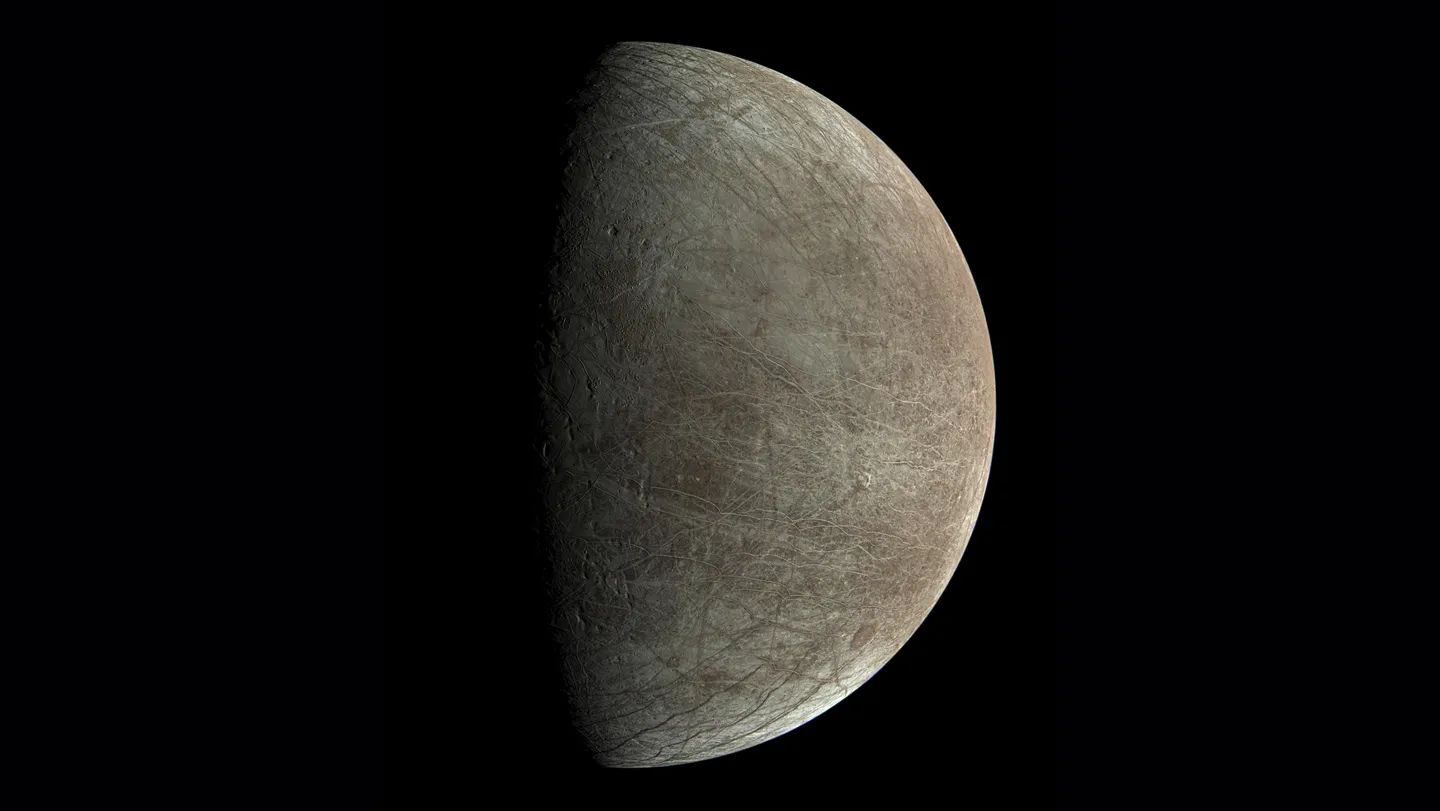
Study finds no evidence of water plumes on Jupiter's moon Europa
The debate could reopen in 2030 when NASA’s Europa Clipper spacecraft gets the closest view of the icy moon’s surface.
 sciencenews.org·1mo ago
Juno spacecraft captures color-enhanced view of Jupiter's northern hemisphere during 61st flyby
NASA's Juno spacecraft captured this color-enhanced view of Jupiter's northern hemisphere during its 61st close flyby of the giant planet on
 nasa.gov·1mo ago
Earthlings on Europa? Provocative Study Explores ‘Reverse Panspermia’ Scenario Where Earth Life May Have Invaded an Alien Moon
A provocative study suggests that Jupiter’s frozen moon Europa may not only be hospitable, but that life from Earth could be thriving there.

NASA’s Dragonfly Clears Key Tests as Titan Rotorcraft Takes Shape
NASA’s Dragonfly is starting to look less like a collection of spacecraft parts and more like the rotorcraft that will fly across the surfac
NASA’s Dragonfly Clears Key Tests as Titan Rotorcraft Takes Shape
NASA’s Dragonfly is starting to look less like a collection of spacecraft parts and more like the rotorcraft that will fly across the surfac
Comments
Sign in to join the conversation.
No comments yet. Be the first.