
























Vera C. Rubin Observatory Discovers Stellar Stream on Galaxy M61
The first image from the Vera C. Rubin telescope reveals a previously unnoticed feature of the galaxy M61 that may explain its mysterious properties
Read the full articleYou might also wanna read

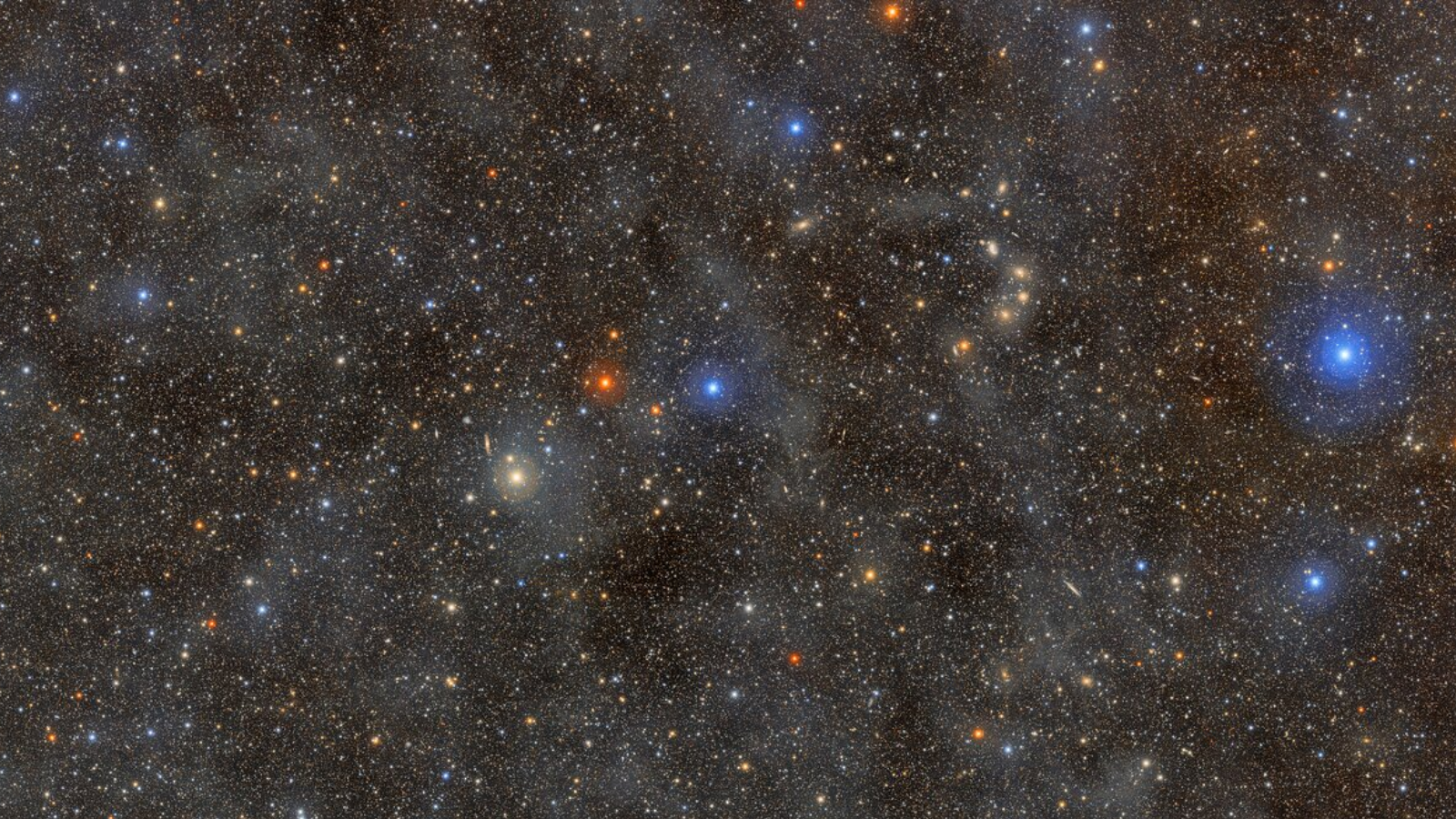
Vera C. Rubin Observatory begins 10-year Legacy Survey of Space and Time to map the cosmos
"With the launch of the ten-year Legacy Survey of Space and Time, the Rubin Observatory is opening a new window on the universe."
 Space·17d ago
Vera C. Rubin Observatory begins 10-year Legacy Survey of Space and Time to map the cosmos
"With the launch of the ten-year Legacy Survey of Space and Time, the Rubin Observatory is opening a new window on the universe."
space.com·17d ago
Astronomers Spot Possible Disk in Rubin Observatory First-Look Image
One of the first-look images from the Vera C. Rubin Observatory contained a rare find: a candidate circumstellar or protoplanetary disk in a
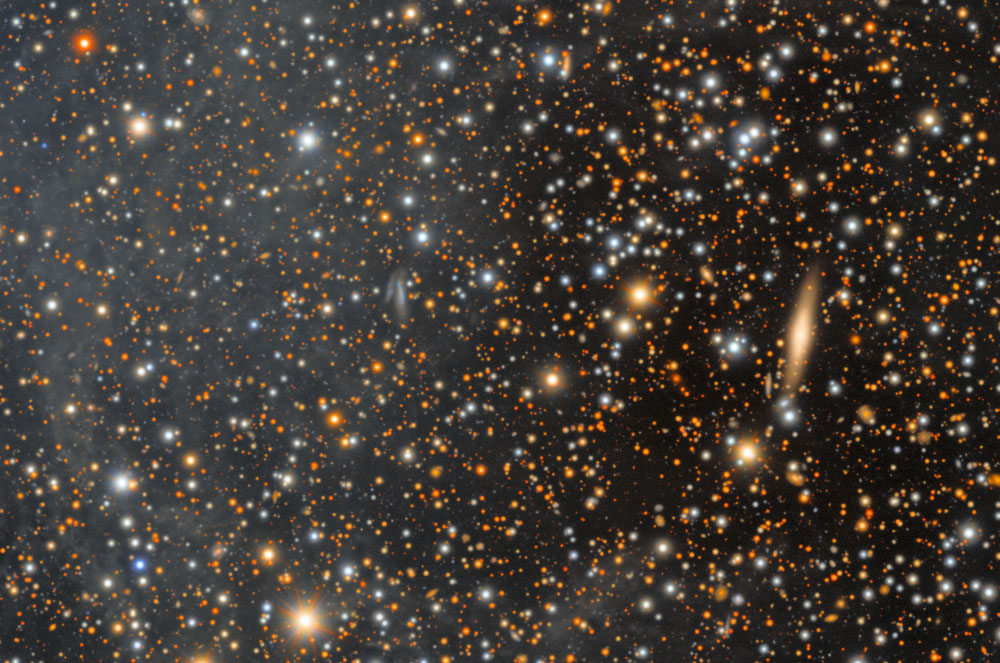
Vera C. Rubin Observatory begins historic 10-year sky survey with 3.2-billion-pixel camera
This will be a huge game changer for astronomy
 badastronomy.beehiiv.com·15d ago
Vera C. Rubin Observatory begins historic 10-year sky survey with 3.2-billion-pixel camera
This will be a huge game changer for astronomy
badastronomy.beehiiv.com·15d agoMicrolensing Discovery and Characterization Efficiency in the Vera C. Rubin Legacy Survey of Space and Time
Natasha S. Abrams et al 2025 ApJS 276 10 Assessment of Vera C. Rubin Observatory survey strategies suggests that longer-duration and larger-
A New Era of Cosmic Mapping Begins: The Vera C. Rubin Observatory in Final Countdown to its 10-Year Legacy Survey
The Vera C. Rubin Observatory is poised to launch its 10-year Legacy Survey of Space and Time. After years of work by over 2,000 scientists
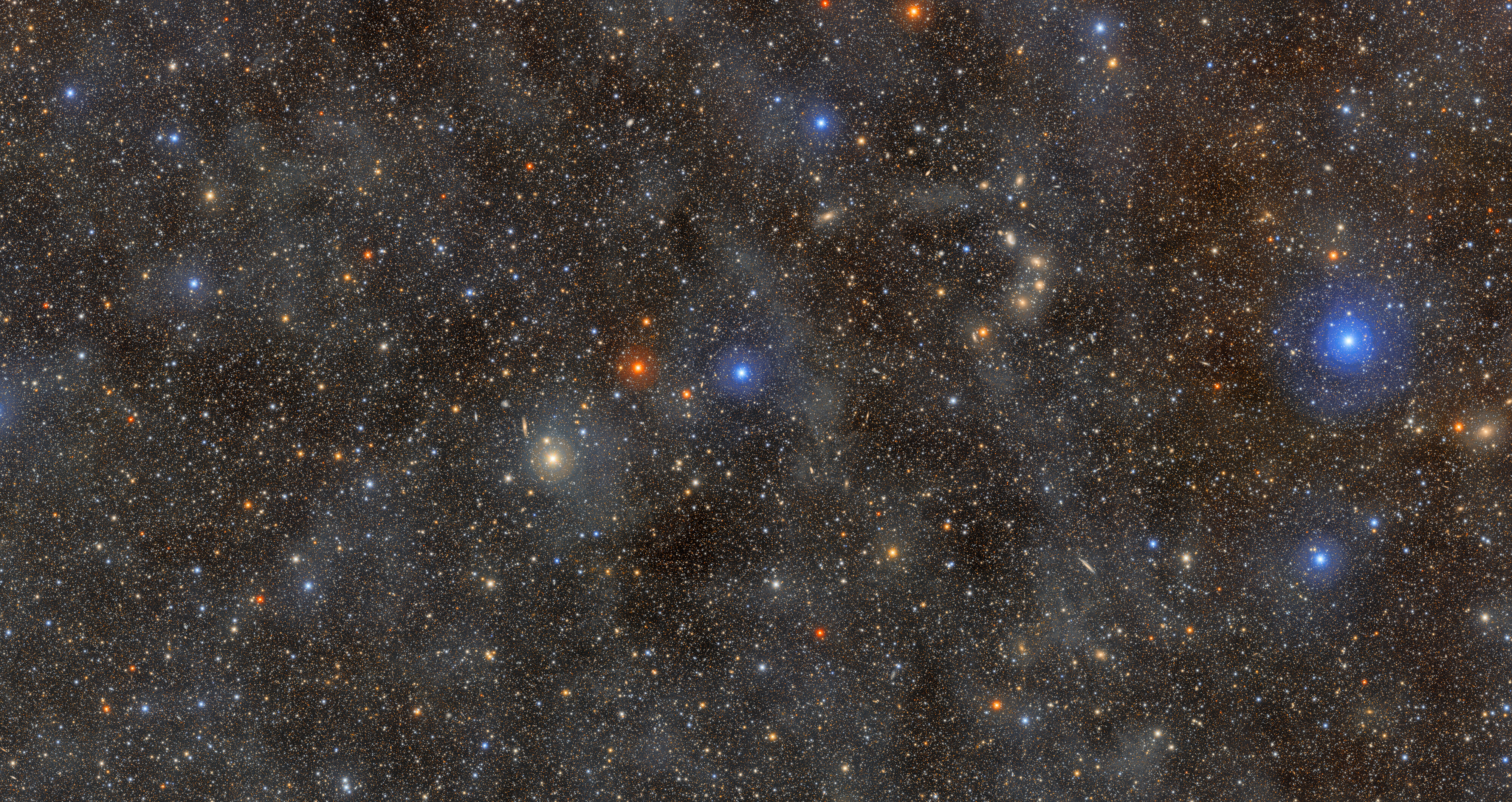
Vera C. Rubin Observatory Begins 10-Year Legacy Survey of Space and Time
The 10-year Legacy Survey of Space and Time has officially started, marking the beginning of a new era in astronomy and astrophysics
 energy.gov·17d ago
Comments
Sign in to join the conversation.
No comments yet. Be the first.