
























Microsoft Research's Vega Uses Zero-Knowledge Proofs for Private Digital Identity Verification
Microsoft Research's Vega system uses zero-knowledge proofs for private digital identity verification, enabling secure credential sharing with AI agents and services without revealing sensitive data.
Read the full articleYou might also wanna read

Open-Sourcing Zero-Knowledge Proof Libraries for Privacy Enhancement
Today, we open sourced our Zero-Knowledge Proof (ZKP) libraries, fulfilling a promise and building on our partnership with Sparkasse to supp
blog.google·1y ago
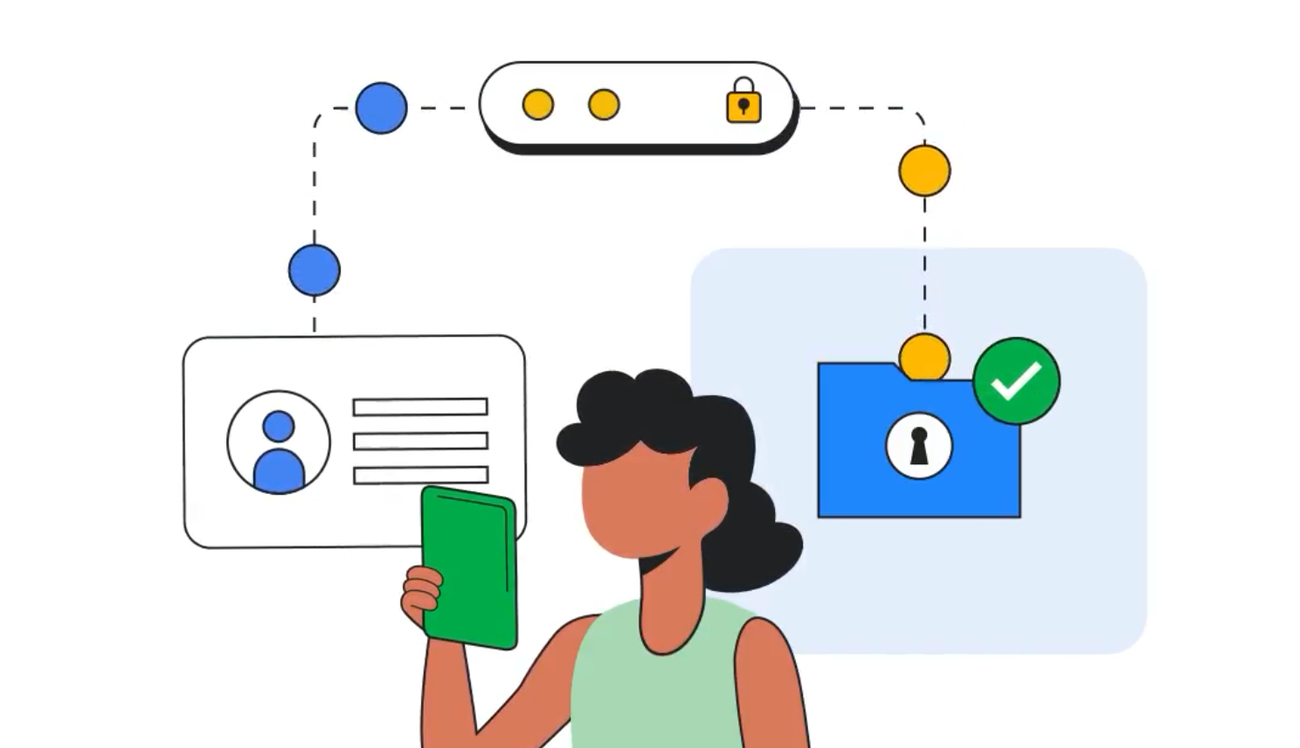
Organization open-sources Zero-Knowledge Proof libraries to boost privacy in age verification
Today, we open sourced our Zero-Knowledge Proof (ZKP) libraries, fulfilling a promise and building on our partnership with Sparkasse to supp
blog.google·15d ago
Understanding Zero-Knowledge Proofs: Proving Compositeness Without Revealing Factors
Testing whether a number is composite as an example of a zero knowledge proof. How ZKPs are used more generally.
 johndcook.com·7mo ago
Privote: Coding a ZK Proof-Based Private Multi-Choice Voting Dapp
In this tutorial, we implement a ZK-based private voting system, Privote, in which no one can see the voters' choices until the voting has e

SecureCROWN: A breakthrough in Privacy and AI Verification
SecureCROWN bridges the gap between neural network verification and data privacy. By using secure two-party computation, it offers certified
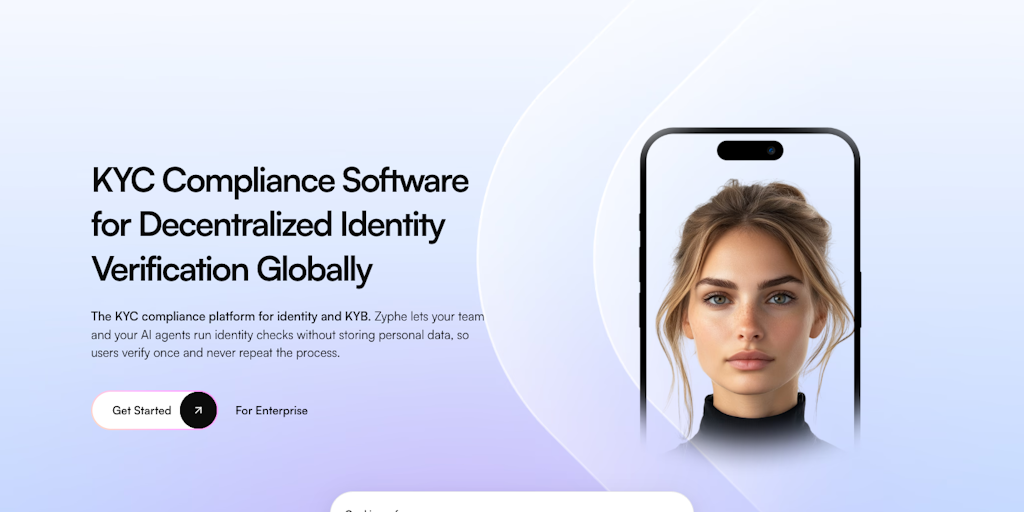
Zyphe: A Privacy-First KYC and KYB Verification API Using Decentralized Identity
Zyphe lets compliance teams and AI agents run KYC, KYB, and AML checks without storing personal data, using decentralized identity infrastru
 Product Hunt·2mo ago
Comments
Sign in to join the conversation.
No comments yet. Be the first.