
























UX Decision Framework: When to Use Modals vs. Separate Pages in Interface Design
How to choose between modals and pages, when to avoid modals, and how to determine the right level of interruption or navigation. Brought to you by Smart Interface Design Patterns, a **friendly video…
Read the full articleYou might also wanna read

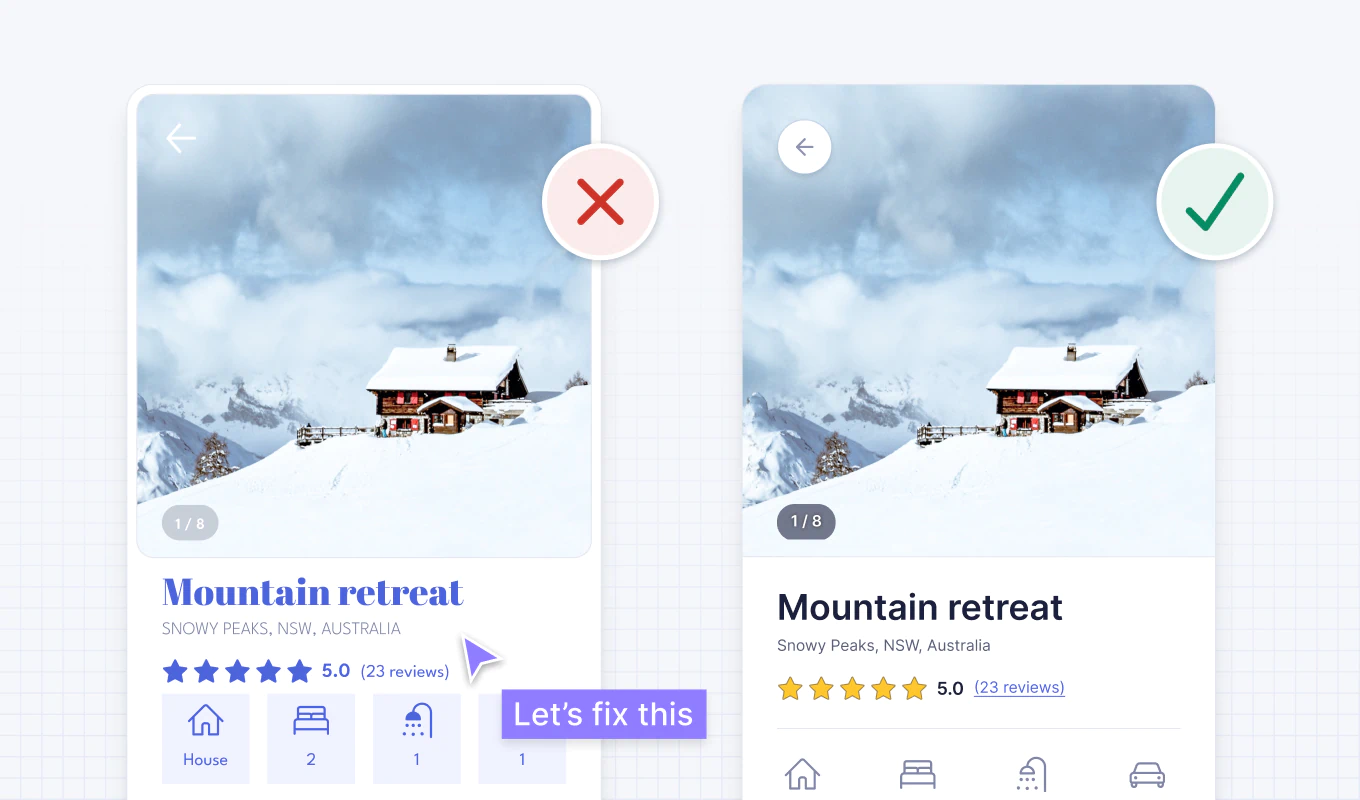
16 logic-driven UI design tips for improving user interfaces: a case study
A step by step UI design case study to quickly fix an example user interface using logic-driven UI design tips.
 adhamdannaway.com·22d ago
The Ethical UX Series: How Micro-Decisions in Design Shape User Behavior
In the design world, we often speak about empathy, innovation, and delight. But underneath the surface of many successful interfaces lies a

The Purpose and Pitfalls of UI Animations: When to Use Them Effectively
Why you are animating more often than you should.
 emilkowal.ski·10mo ago
URL Design Principles: How Thoughtful URL Structure Enhances Web Application Usability and Shareability
A deep dive into how thoughtful URL design can enhance usability, shareability, and performance. Learn what state belongs in URLs, common pi
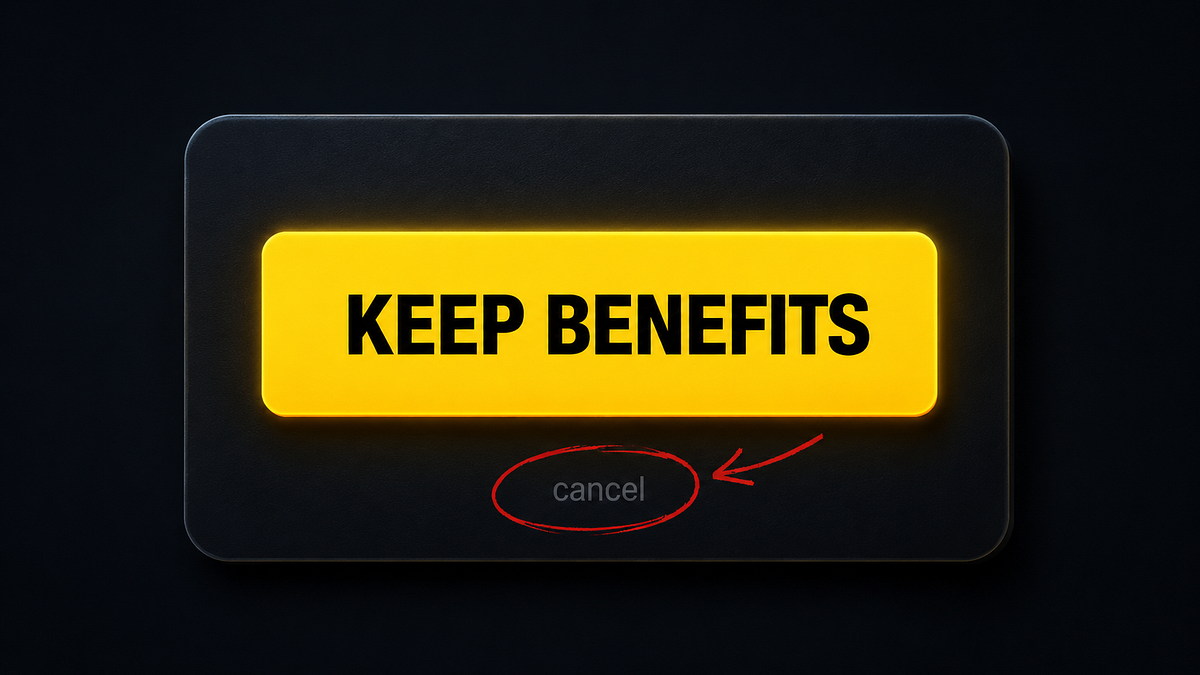
Why bad UX is often a business decision, not a design failure
Someone designed this Why bad UX is often a business decision, not a design failure. There’s a screen most people have seen at least once. Y
 uxdesign.cc·20d ago
How Small Design Choices Shape User Behavior: Ethical UX Series Entry
At the heart of WorldUXForum, we believe that design is not just about functionality or aesthetics — it’s about responsibility. Every pixel,
Comments
Sign in to join the conversation.
No comments yet. Be the first.