

























Indigenous mental models for conceptualizing ecosystem services and benefits
By
Nywaigi Traditional Owners
Summary
This academic paper explores how Indigenous mental models and worldviews can be used to conceptualize and report on ecosystem services and benefits. It builds on previous work examining the relationship between Indigenous peoples (First Nations/Traditional Owners) and Western conceptualizations of nature's services. The paper proposes a circular conceptualization of service flows between Country and people, incorporating dis-services, flows between Country and Country, and external influences. It challenges Western linear frameworks by integrating Indigenous perspectives that recognize reciprocal relationships between people and the environment.
Source
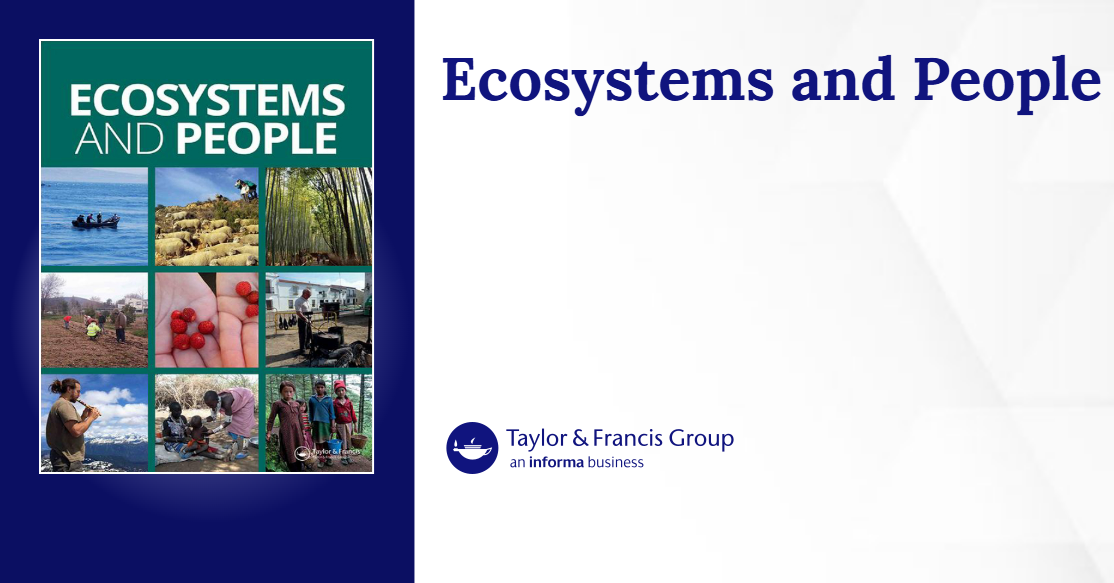 bskyIndigenous mental models for conceptualizing ecosystem services and benefitstandfonline.com
Key quotes
· 2 pulledCircular conceptualisation of flows of services from Country to people, and from people to Country, that also includes dis-services, flow of services and dis-services from Country to Country, and external influences.
In this paper we build on the previous work that explores relations between Indigenous people (First Nations; Traditional Owners) and the Western conceptualisation of flows of services from nature...
You might also wanna read


Eight Indigenous Water Management Technologies for Extreme Scenarios
Architect Julia Watson previews eight Indigenous technologies for water management from her upcoming book, showcasing traditional approaches
 Dezeen·8mo ago
Review of Radhika Subramaniam's "Footprint: Four Itineraries" — Challenging the Anthropocene's Dominant Metaphor
A review of Radhika Subramaniam's book "Footprint: Four Itineraries," which critically examines the "footprint" metaphor used to describe hu
 lareviewofbooks.org·2d ago
Ubuntu and Restorative Justice: Contrasting Indigenous African and Western Approaches to Conflict Resolution
This article contrasts Western adversarial justice systems with the African indigenous philosophy of Ubuntu, which emphasizes restorative ju
 traum-und-verantwortung.de·8mo ago
Reflections on AI, Truth, and Societal Impacts in the Modern Technological Landscape
This article appears to be a reflective, multi-part exploration of the current technological and cultural landscape, particularly focusing o

Addressing Colonial Legacies in Sustainable Design for Climate Adaptation
The article argues that sustainable design must address its historical ties to colonialism to adapt to the irreversible impacts of climate c
Dezeen·10mo agoThe Conceptual Challenge of Evaluating Large Language Models: When Language Fails to Describe Novel Technology
The article examines the psychological and linguistic challenges in evaluating Large Language Models (LLMs), arguing that their novel nature
Comments
Sign in to join the conversation.
No comments yet. Be the first.