





















USGS Geological Research in Gulf of the Farallones National Marine Sanctuary for Environmental Risk Assessment
By
greesil

Crackling crust, pillowy middle. The kind of bagel that earns a second cup of coffee.
Summary
The article discusses the geological research conducted by the U.S. Geological Survey (USGS) in the Gulf of the Farallones National Marine Sanctuary to support environmental protection efforts. The research focuses on understanding the geology, oceanography, and sediment movement to assess risks from potential disposal of dredge spoils and radioactive waste containers. The article highlights the importance of detailed geological knowledge for evaluating environmental threats and draws parallels with contamination issues in Boston Harbor, emphasizing the need for comprehensive risk assessment before making decisions about waste disposal in marine environments.
Key quotes
· 4 pulledThe U.S. Geological Survey (USGS) provides geological information in support of studies related to proposed siting of offshore areas for disposal of dredge spoils and to determining locations of barrels of radioactive waste.
The potential for damage to the marine environment from disposal of dredge materials and from rupture of waste containers is difficult to assess without a detailed knowledge of geology, oceanography, and the movement.
Contamination of sediments in Boston Harbor, particularly by metals, is so widespread that its effects may be felt long after the sources of contamination are shut off.
Where are toxic concentrations of metals located today? How did they get there? How will they move? These are questions that must be answered in detail before we can properly estimate risk in the environment.
You might also wanna read

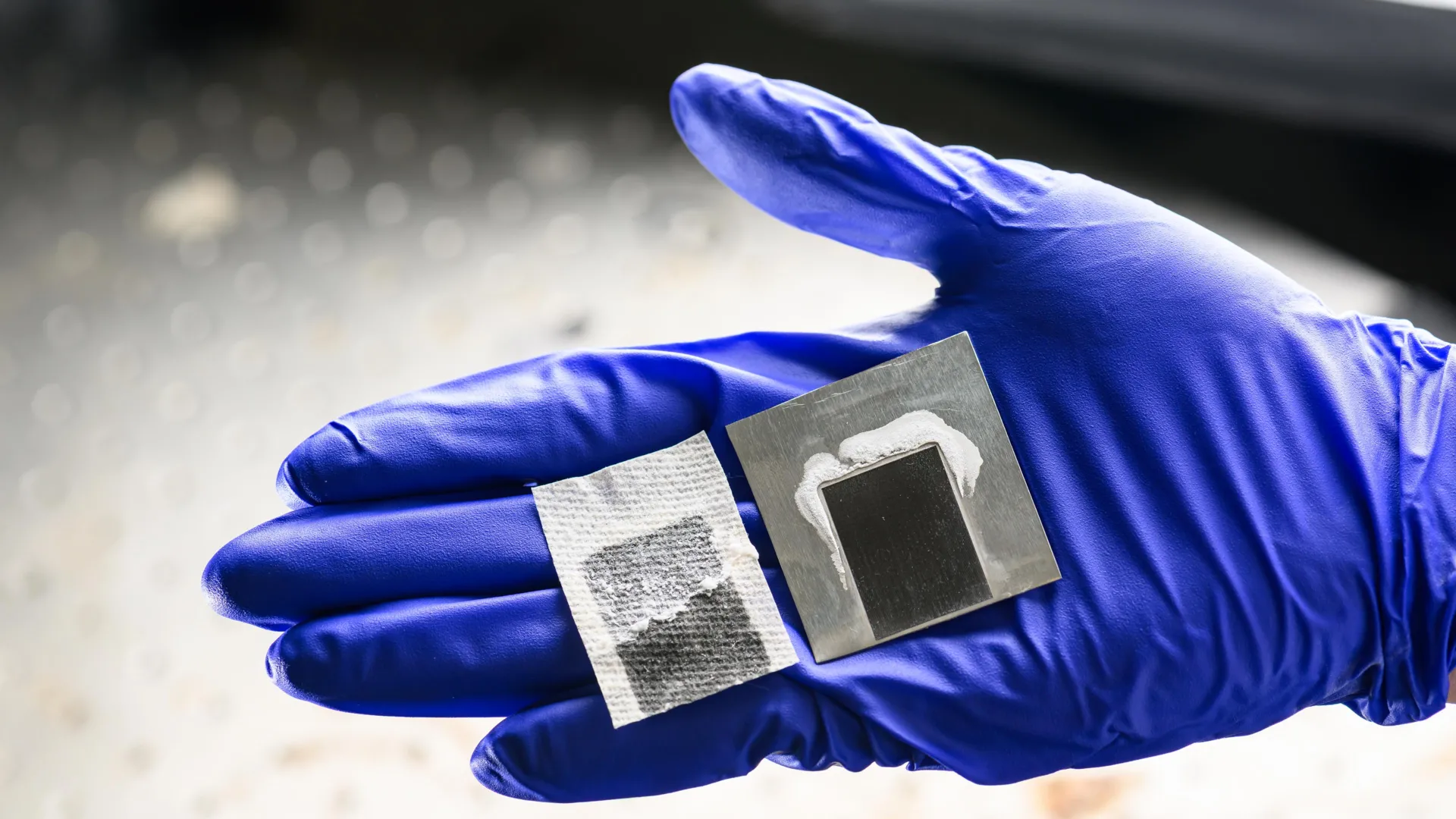
Solar desalination system eliminates toxic brine while producing fresh water
Scientists have developed a solar-powered desalination system that converts seawater into fresh water without producing toxic brine, a major
Solar desalination system eliminates toxic brine while producing fresh water
Scientists have developed a solar-powered desalination system that converts seawater into fresh water without producing toxic brine, a major
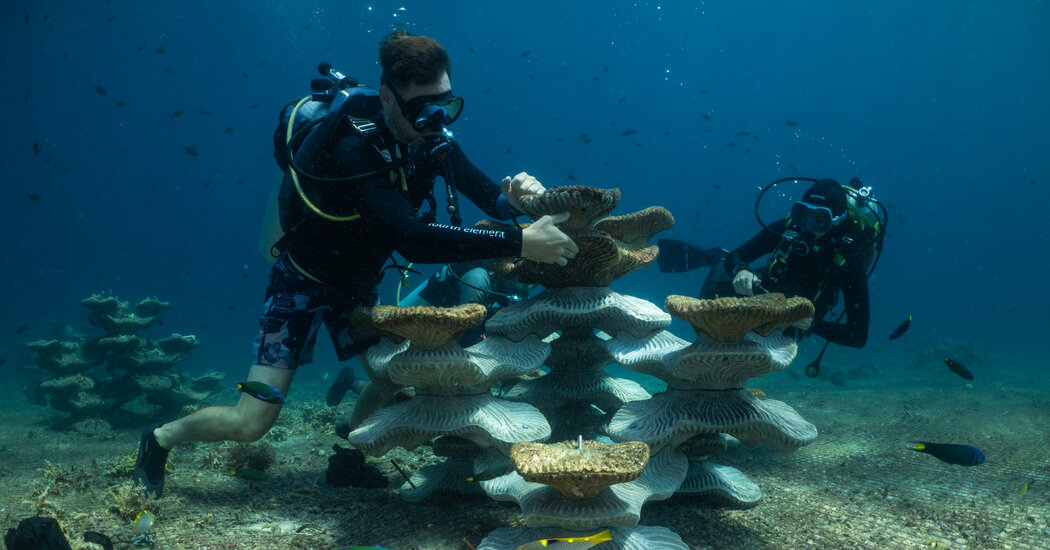
Conservation Group Uses Concrete Molds to Build Artificial Reefs in Malaysia's Coral Triangle
A conservation group is using concrete molds and 3D-printed structures to build artificial reefs in the Coral Triangle near Malaysia, aiming
 nytimes.com·5h ago
Microplastics in the atmosphere may contribute to global warming, research suggests
Microplastics, the tiny particles shed from plastic products, are accumulating in the atmosphere and may be contributing to global warming.
 cenm.ag·6h ago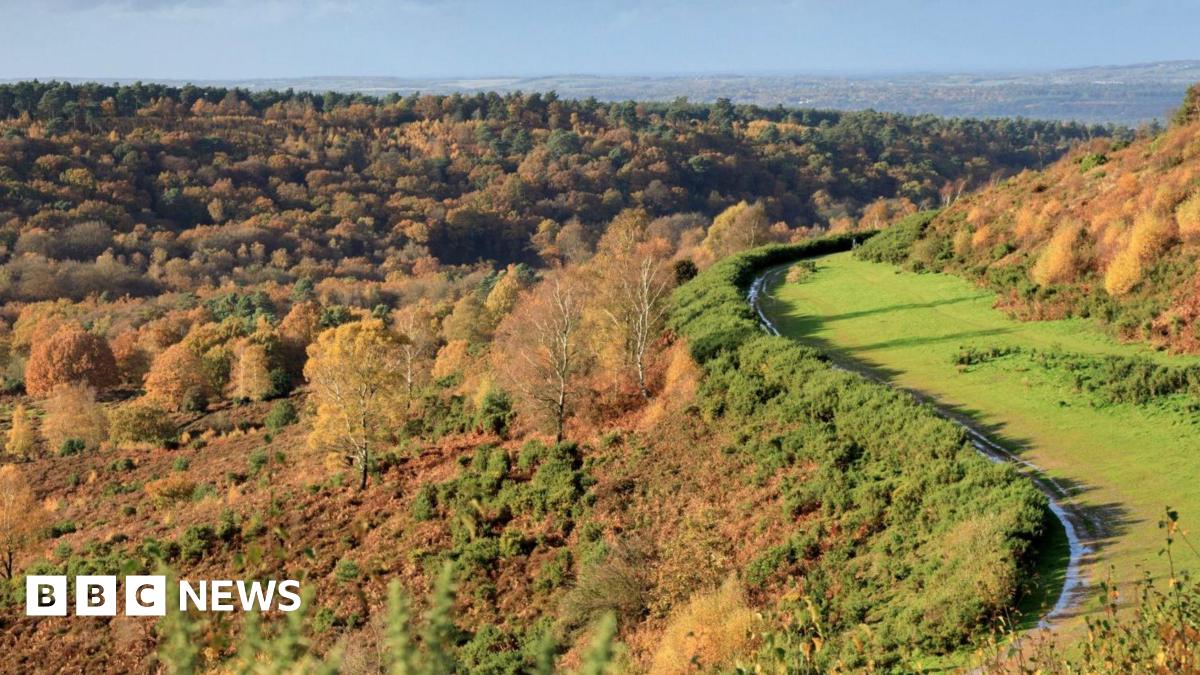
Hindhead Tunnel project drives successful rewilding and pollution reduction in southern England
The Hindhead Tunnel project in southern England removed a road that had been causing traffic congestion and poor air quality in Hindhead vil
 bbc.co.uk·9h ago
Heating buildings produces far more CO2 than cooling, but AC emissions are rising faster
Heating buildings globally produces significantly more climate pollution than air conditioning, accounting for over 5 billion tons of CO2 an
 climate.mit.edu·10h ago