
























U.S. to End Support for Antarctic Research Vessel Amid Scientist Protests
Today in Science and science: Peacock feathers can be lasers, making proteins less mysterious, and more
Read the full articleYou might also wanna read


Scientists sail for Greenland to study glacier melt risk
By Susanna Twidale HARWICH, England, July 15 (Reuters) - An international team of around 80 scientists and crew will set sail on polar resea
UK launches hi-tech mission to study Greenland ice melt
A team of international scientists sets sail Thursday from Britain for Greenland to study its rapidly melting ice using drones, mini-submari

NASA Scientists Take to Air and Space to Study Arctic Sea Ice
This month, engineers at NASA’s Jet Propulsion Laboratory in Southern California are testing a spacecraft sensor that will help measure how
NASA Scientists Take to Air and Space to Study Arctic Sea Ice
This month, engineers at NASA’s Jet Propulsion Laboratory in Southern California are testing a spacecraft sensor that will help measure how
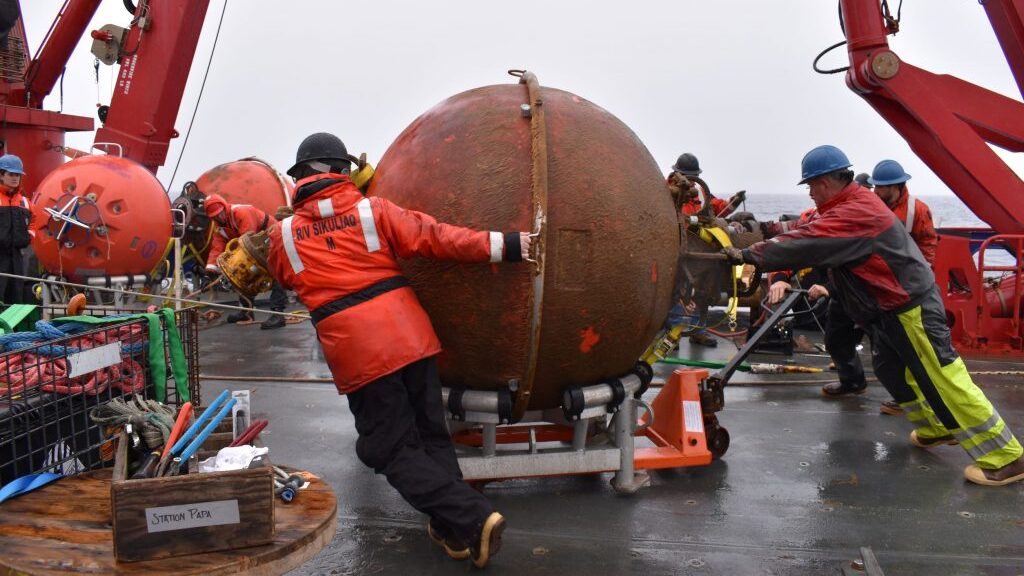
NSF to dismantle Ocean Station Papa, key climate monitoring site in Gulf of Alaska
Ocean Station Papa, which collects ocean and climate data, is one of five federal ocean monitoring stations the National Science Foundation
 ktoo.org·1mo ago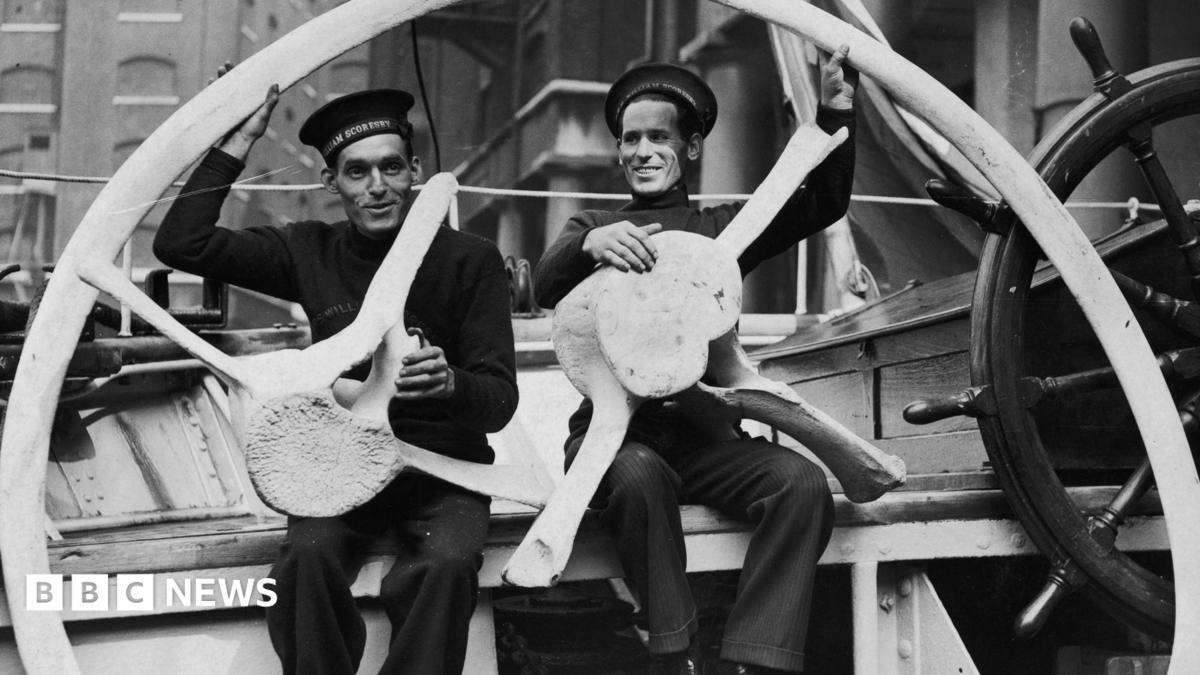
Century-old research ship William Scoresby laid groundwork for El Niño tracking
A century ago, research ship William Scoresby left Hull for pioneering work in the southern oceans.
 bbc.co.uk·1mo ago
The color of penguin poo: Satellites reveal global warming's impact on an iconic polar species
Scientists from a handful of universities across the country have made innovative use of satellite images from NASA to determine the diet of
Comments
Sign in to join the conversation.
No comments yet. Be the first.