
























US Supreme Court’s ‘Unfavorable’ Independent Contractor Decision May Be ‘Favorable’ After All for Limiting Scope of Arbitration Exemption Under the FAA
By
Richard Reibstein Esq.
1mo ago
Source
independentcontractorcompliance.comUS Supreme Court’s ‘Unfavorable’ Independent Contractor Decision May Be ‘Favorable’ After All for Limiting Scope of Arbitration Exemption Under the FAAindependentcontractorcompliance.comOn its face, the unanimous decision issued today by the U.S. Supreme Court on the scope of the interstate transportation exemption from arbitration under the Federal Arbitration Act (FAA) may seem like an unfavorable outcome for manufacturers using distributors to deliver products to customers such as retail stores. The Court’s rather short opinion, authored by Justice Neil Gorsuch, clarified that independent contractors (ICs) and employees that make “last mile” deliveries as part of a “continuous journey” of goods from one state to another are exempt from arbitration under Section 1 of the FAA covering interstate transportation workers even if all of the distributor’s services are intrastate . As the Court stated, such workers “can sometimes be direct, necessary, and active participants in moving goods ‘from ... points in one state’ to ‘points in another state’ without crossing state lines or interacting with vehicles that do.” The Court noted, however, that the Section 1 exemption from arbitration might not be applicable where (1) the worker is an IC performing services pursuant to a distribution agreement between the manufacturer and the worker’s own independently operated company, or (2) where the worker or his company purchases the goods from the manufacturer and takes title to the goods before selling them to retail stores. Those facts are commonplace for many distribution agreements between manufacturers and distributors. The opinion notes, though, that those facts were not before the Court for decision. In addition, the opinion references cases with other types of facts that may bear on whether the Section 1 arbitration exemption applies, such as whether a product “has reached its ‘intended destinatio[n].’” These and other facts may lead federal courts (and perhaps the Supreme Court in a future case) to conclude that the FAA arbitration exemption for interstate transportation workers does not apply to certain independent distributors, who may well be subject to arbitrating their claims on an individual basis instead of litigating them in court including in a class action. In sum, the Supreme Court’s decision today eliminates one of the many arguments that have been raised to counteract the interstate arbitration exemption under the FAA. Manufacturers that use distributors operating on an IC basis, however, should regard this opinion as providing legal support for advancing counterarguments in response to plaintiff-distributors seeking to escape arbitration agreements they have signed. Flowers Foods, Inc. v. Brock, U.S. Sup. Ct. No. 24-935 (May 28, 2026).
You might also wanna read

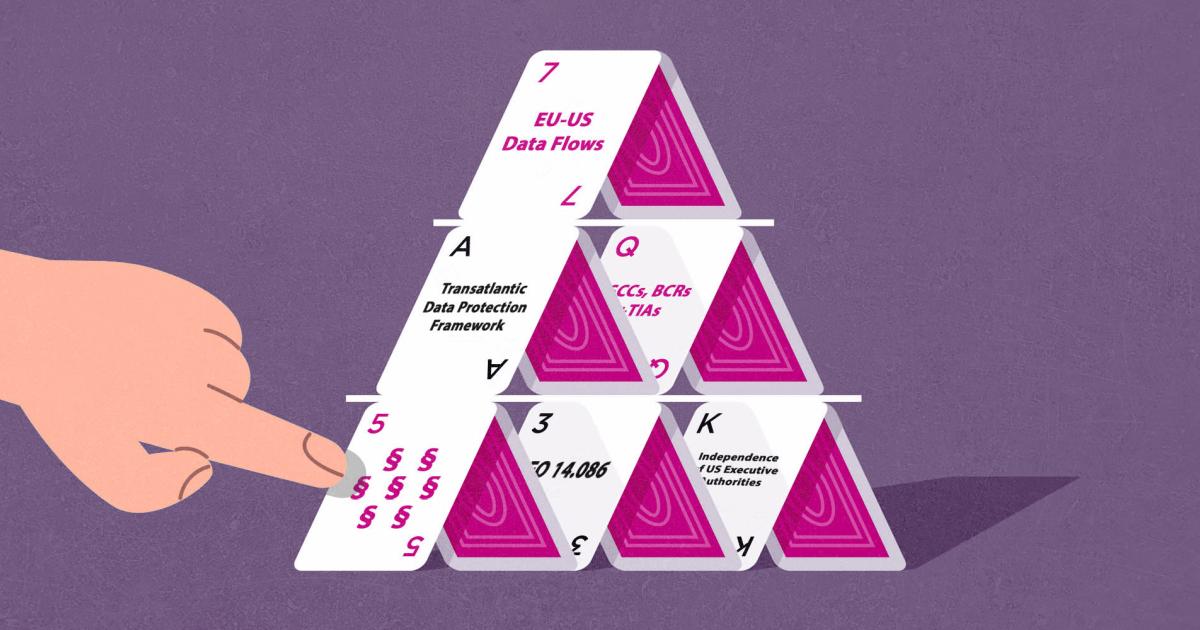
US Supreme Court ruling on FTC independence threatens EU-US data transfer agreements
The US Supreme Court's ruling in Trump v. Slaughter has determined that the US Federal Trade Commission (FTC) may no longer be considered an
 noyb.eu·5d ago
US Supreme Court ruling on FTC independence threatens EU-US data transfer agreements
The US Supreme Court's ruling in Trump v. Slaughter has determined that the US Federal Trade Commission (FTC) may no longer be considered an
noyb.eu·5d ago
Supreme Court-Backed FTC Firing Threatens EU-US Data Flows (1)
 news.bloomberglaw.com·1d ago
U.S. Supreme Court rules 6-3 for presidential removal of independent agency commissioners
Ballotpedia·3d ago

Supreme Court rulings on Fed independence and FTC oversight carry mixed implications for consumers
The Supreme Court issued two major rulings with significant implications for consumers. One ruling preserved the Federal Reserve's independe
 cnbc.com·5d ago
Supreme Court rulings on Fed independence and FTC oversight carry mixed implications for consumers
The Supreme Court issued two major rulings with significant implications for consumers. One ruling preserved the Federal Reserve's independe
cnbc.com·5d ago
Supreme Court Sides with Monsanto in Roundup Case, Shielding Pesticide Companies from Failure-to-Warn Lawsuits
Radio Free·9d ago

Washington Supreme Court upholds state climate law’s farm fuel exemption rules
 opb.org·8d ago
Comments
Sign in to join the conversation.
No comments yet. Be the first.