
























ORNL develops acoustic tunnel detection method using upward sound waves
ORNL's new acoustic detection method can reveal hidden underground tunnels by sending sound waves upward from below.
Read the full articleYou might also wanna read


Unsupervised AI Takes on Pipeline Sabotage with Ground-Penetrating Radar
A novel, unsupervised AI system for detecting clandestine tunnels under pipelines is proving highly effective. By focusing on anomaly detect
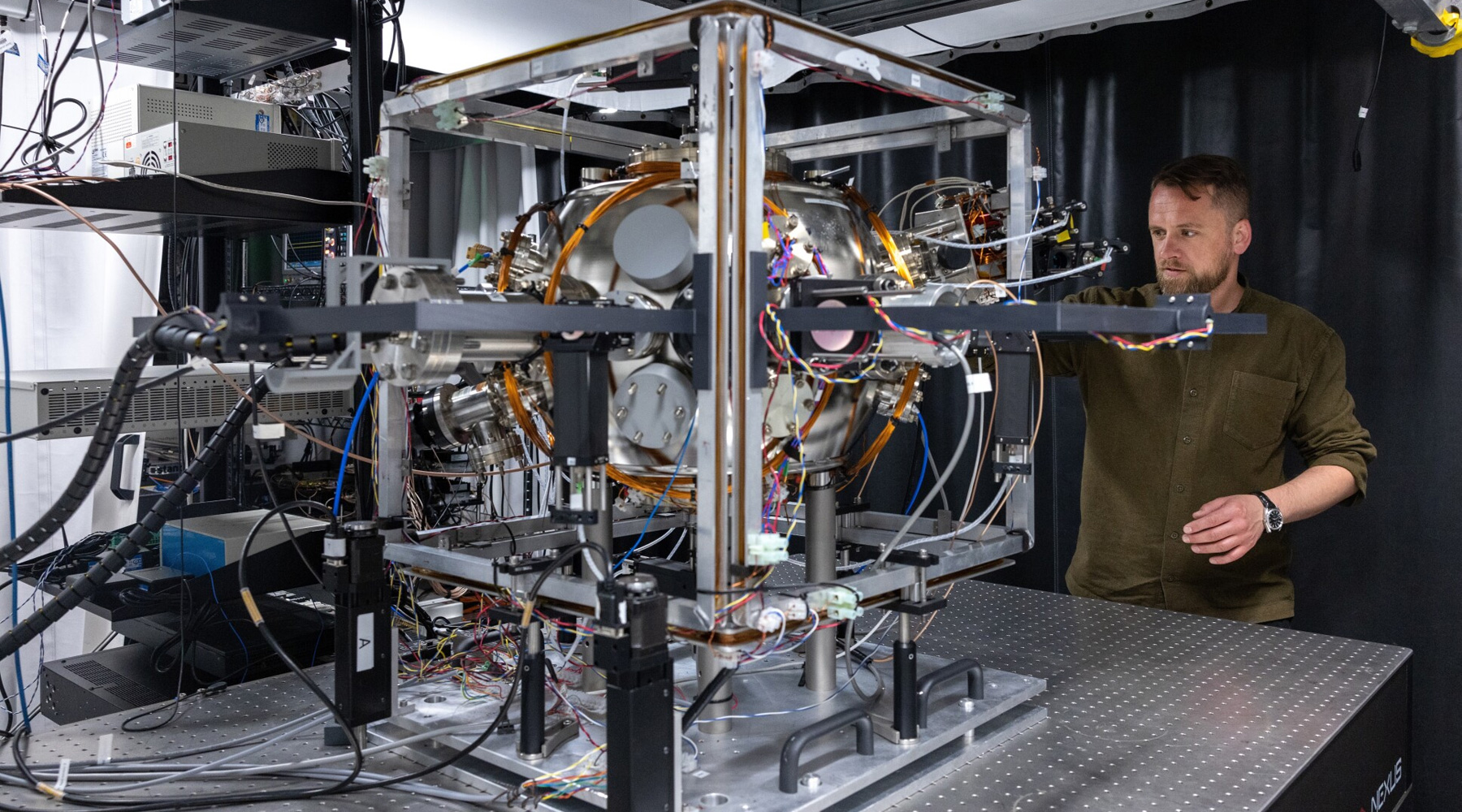
Quantum Accelerometers Could Enable GPS-Free Navigation for Underground Trains
Tube trains of the future may soon know exactly where they are underground -- even in places where GPS is blind -- by tapping into the stran
NORBIT Subsea Launches Layered Media Detection for Multibeam Surveys in Complex Sediment Environments
NORBIT Subsea is pleased to announce the release of Layered Media Detection (LMD), a new optional capability for the WINGHEAD X Midwater mul
Engineers solved an airflow mystery hidden nearly a mile underground
Engineers at a deep underground research facility noticed something strange during major rainstorms: airflow underground sometimes reversed

AM Radio Emergency Alert System for Unmanned Tunnels Using FPGA Technology
Contribute to Park07/amradio development by creating an account on GitHub.
 github.com·4mo ago
Hidden tunnel network discovered beneath 4,500-year-old Neolithic stone city in northern China
The ancient fortress above ground was impressive enough. Then researchers started digging deeper.
 popularmechanics.com·8d ago
Comments
Sign in to join the conversation.
No comments yet. Be the first.