
























U.S. judge denied feds a month-long warrant to snoop on the phones of thousands of Ohio residents
The magistrate judge's decision offers a rare view into how the government seeks to use cell-site simulators during law enforcement investigations.
Read the full articleYou might also wanna read


SCOTUS Rules Cellphone Location Data Is Protected by the Fourth Amendment
In another landmark decision on Monday, the Supreme Court ruled that law enforcement agencies must first obtain a warrant before sweeping up
Supreme Court Rules 6-3 to Limit Geofencing Warrants, Strengthening Cellphone Location Privacy
The 6-3 ruling slaps down law enforcement's wide-ranging "geofencing warrants" that pull phone data of anyone in an area.
 cnet.co·16d ago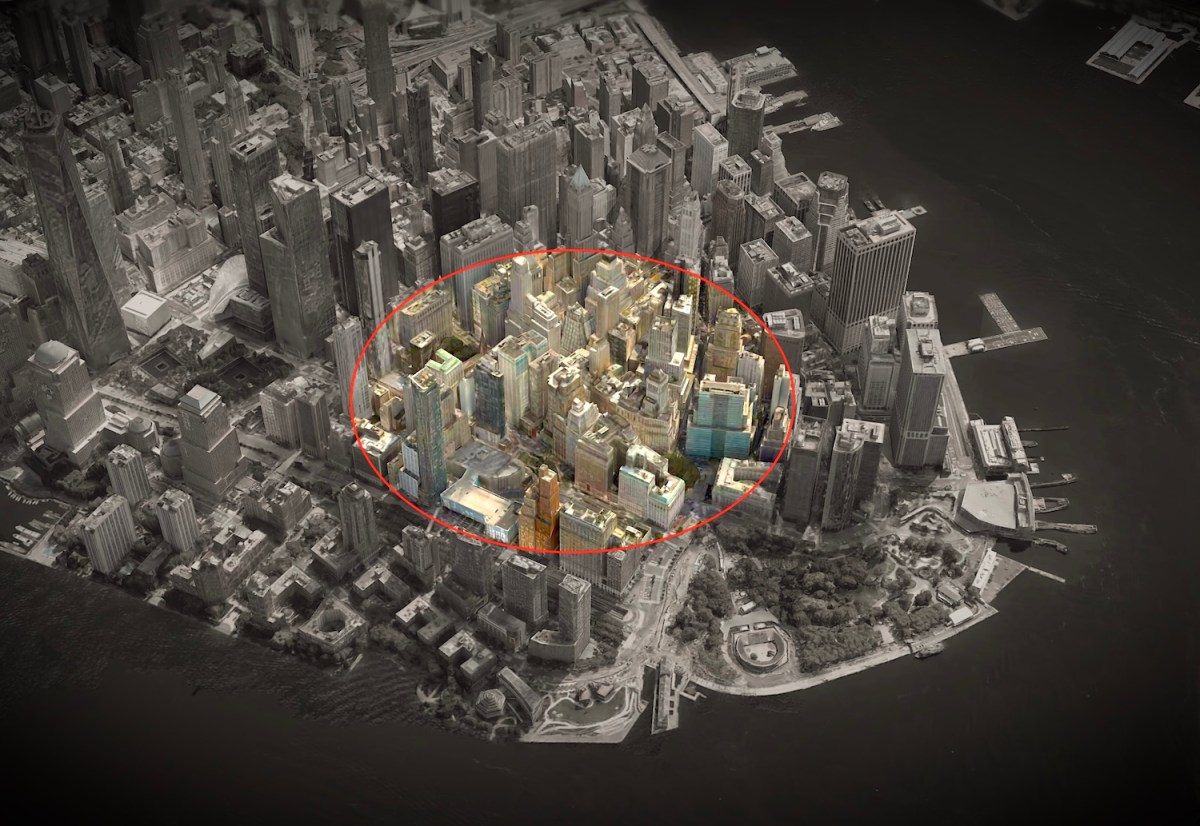
Supreme Court rules geofence warrants violate privacy rights in 6-3 decision
The Supreme Court's decision to limit geofence warrants is a win for privacy advocates, who called their use unconstitutional but sought an
 techcrunch.com·16d ago
Supreme Court Ruling Creates New Opportunities to Challenge Government Data Requests
Highlights The Supreme Court ruled 6-3 that police requests for cellphone location data are “searches” under the Fourth Amendment — potentia
Shared Security Podcast Episode 568: Supreme Court Ruling on Geofence Warrants and Location Privacy
Tom Eston and Scott Wright break down the Supreme Court’s geofence warrant/location privacy ruling and explain why everyday phone users shou
 share.transistor.fm·11d ago
Supreme Court rules police need warrants for cellphone location data under Fourth Amendment
The U.S. Supreme Court ruled Monday that law enforcement searches for the location history of cellphones near crime scenes are covered by th
 ohiocapitaljournal.com·16d ago
Comments
Sign in to join the conversation.
No comments yet. Be the first.