
























U.S. Banks Have Developed a Significant Nonbank Footprint
Source
 libertystreeteconomics.newyorkfed.orgU.S. Banks Have Developed a Significant Nonbank Footprintnewyorkfed.org
You might also wanna read


Financial Institutions Shift from Siloed AI Models to Unified Transaction Foundation Models
Financial institutions have built numerous task-specific AI models (fraud, credit, risk, recommendations) but these are siloed, preventing a
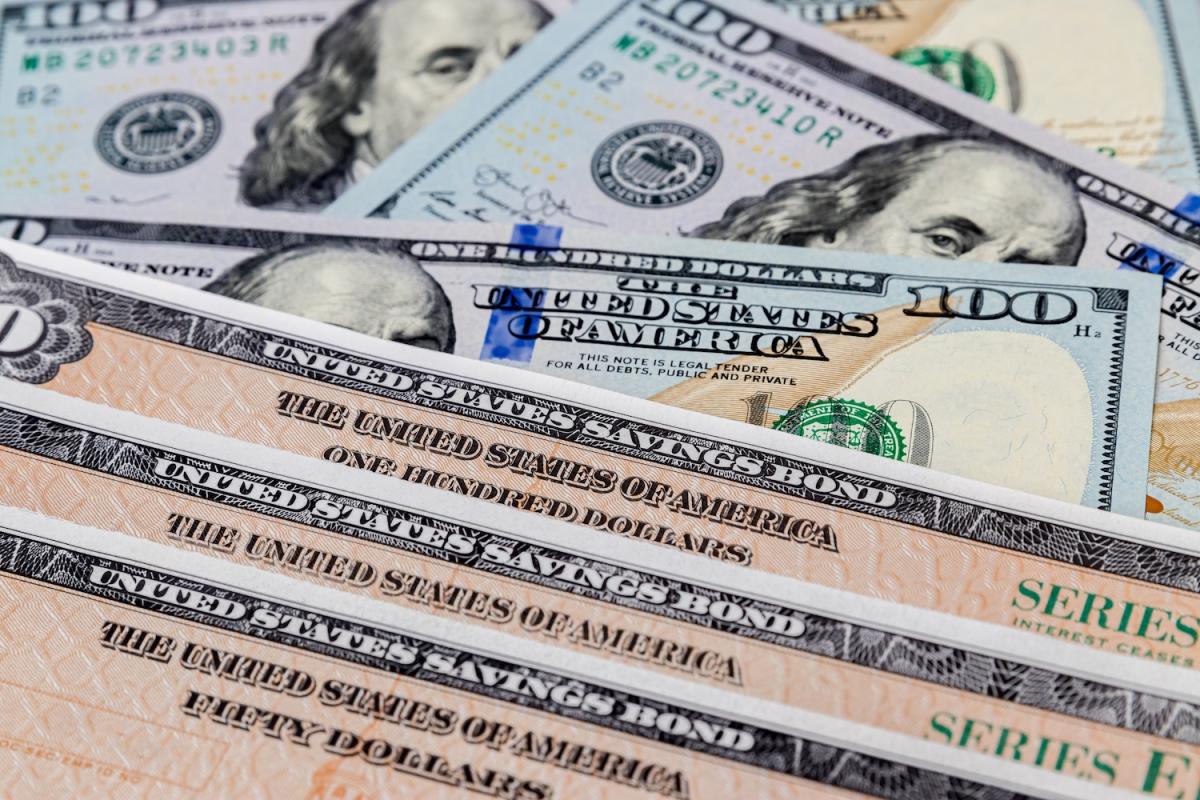
New data reveals major shift in how central banks hold foreign exchange reserves since the 1990s
This article examines a largely overlooked aspect of foreign exchange reserves: the distinction between reserves held as deposits versus sec
 cepr.org·22d ago
How Black-Owned Banks Can Help Close the Racial Wealth Gap
This article argues that Black-owned banks are an overlooked tool for building wealth within Black communities. It traces the historical exc
 balleralert.com·7d ago
Opinião: O Banco Central deve ter autonomia financeira e administrativa? Sim — por André Galhardo
The article argues in favor of granting the Brazilian Central Bank (BC) broader autonomy beyond the operational independence already provide
 mla.bs·1mo ago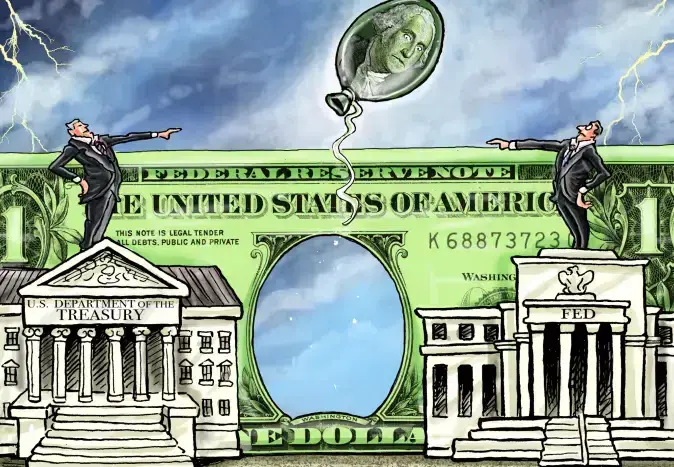
The Mechanics of Money: How Deficits, Trade, and Reserves Interact in Modern Economies
This article provides a detailed technical explanation of how money actually works in modern economies, focusing on the accounting mechanics
 doap.metal.bohyen.space·4mo ago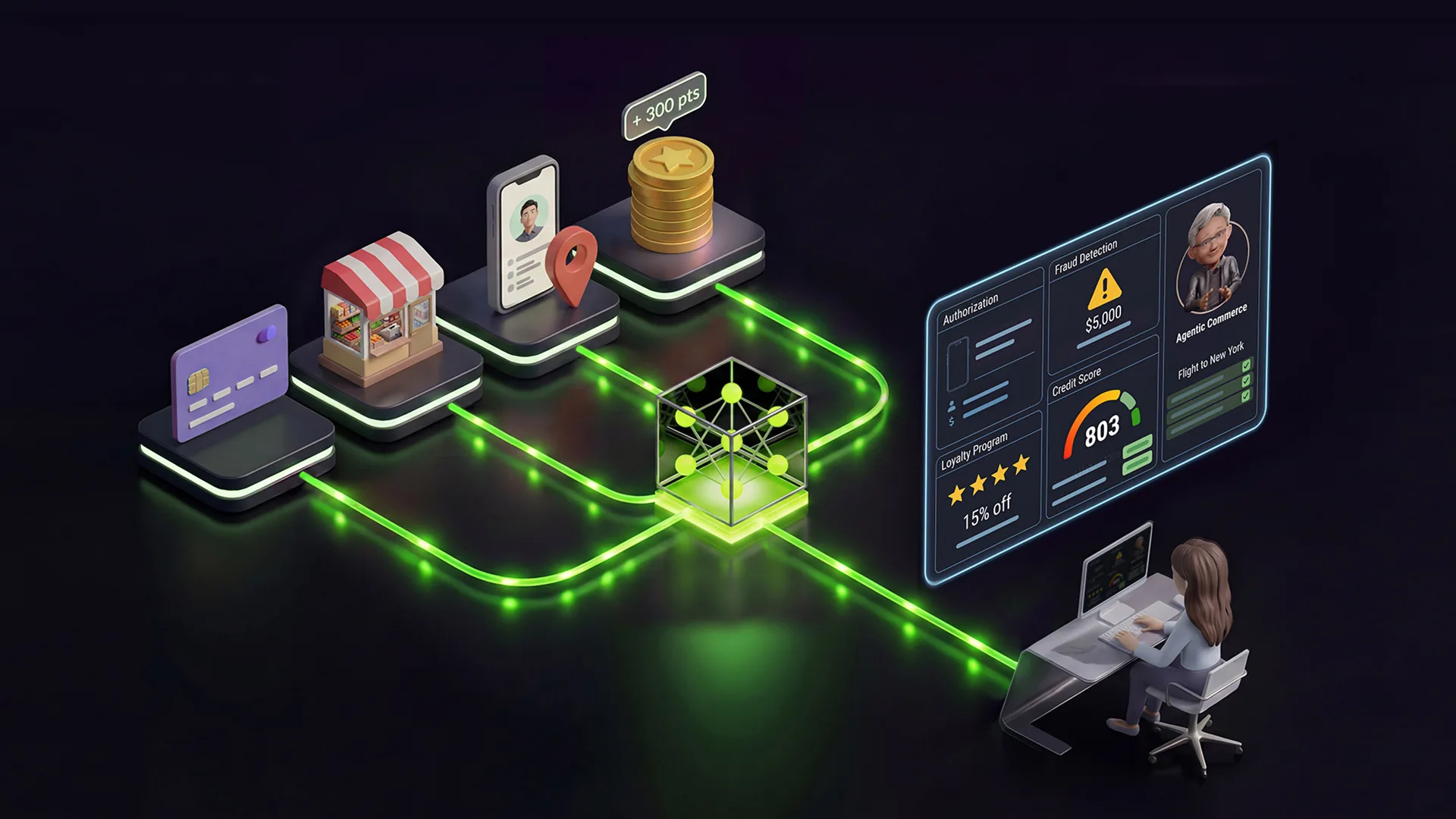
Building Foundation Models for Financial Transaction Intelligence
This article explores how foundation models pre-trained on large volumes of unlabeled transaction sequences can transform financial intellig
 developer.nvidia.com·4d ago
Building Foundation Models for Financial Transaction Intelligence
This article explores how foundation models pre-trained on large volumes of unlabeled transaction sequences can transform financial intellig
developer.nvidia.com·4d agoBuilding Foundation Models for Financial Transaction Intelligence
This article explores how foundation models pre-trained on large volumes of unlabeled transaction sequences can transform financial intellig
developer.nvidia.com·4d ago
Comments
Sign in to join the conversation.
No comments yet. Be the first.