
























University of Turku receives live ticks as 14,500 samples await disease testing in -80°C freezers
The University of Turku’s citizen-driven tick collection has gathered 14,500 samples, with up to 400 submissions arriving in a single day, Yle reports. Stored at -80°C, the ticks will be screened for…
Read the full articleYou might also wanna read

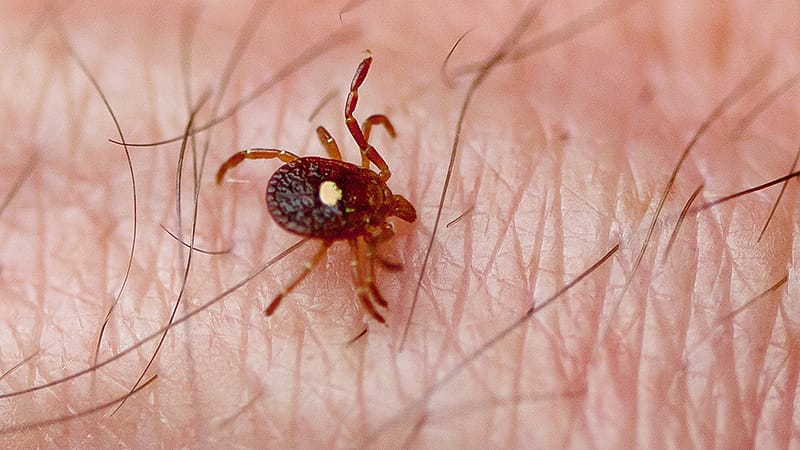
Warmer Canadian summer expected to fuel tick activity and complicate diagnoses
Experts warn that new tick species in Canada can confound diagnosis.
 mdsc.pe·12d ago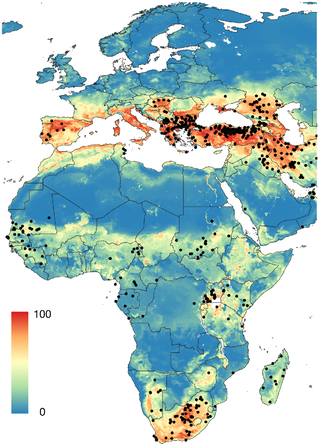
Ecological modeling reveals Crimean-Congo hemorrhagic fever virus circulates through broad networks of ticks and vertebrates
Author summary Crimean–Congo haemorrhagic fever virus (CCHFV) is a tick-borne pathogen causing severe disease in humans across Africa, Asia,
 journals.plos.org·1mo ago
Which states have the highest risk for tick-borne diseases?
Lyme disease accounted for 77% of tick-borne disease cases from 2016–2023, followed by anaplasmosis (10%) and spotted fever rickettsiosis (6
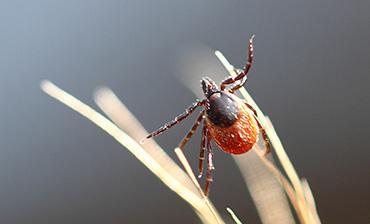
An overview of tick-borne diseases in Europe: TBE and Lyme borreliosis
Ticks themselves do not cause disease but if a tick is infected with a virus or bacterium, then that pathogen can be transmitted through the
 ecdc.europa.eu·14d ago
How ticks evolved into stealthy parasites and why climate change is making them a growing threat
Their saliva is a secret weapon.
 theatlantic.com·1d ago
Perspective on human diagnostic and national reference laboratory preparedness for zoonotic influenza in Europe
Zoonotic influenza A viruses (zIAV) originating from avian and swine reservoirs present a serious concern for public health. Since the emerg
Comments
Sign in to join the conversation.
No comments yet. Be the first.