
























Hungary and Serbia: Democracy requires economic sovereignty too
By
Tanja Potežica
Summary
The article analyzes the political situation in Serbia and Hungary, focusing on how Hungary's recent election defeat of Viktor Orbán by the opposition Tisza party offers hope for Serbian regime change. It draws parallels between the two countries' authoritarian governments under Orbán and Aleksandar Vučić, and examines how both regimes rely on an economic model that offers cheap labor to Western Europe. The piece questions whether Serbia can vote out Vučić's authoritarian regime in upcoming elections, while noting that Hungary's democratic shift also raises questions about economic sovereignty for Serbia.
Source
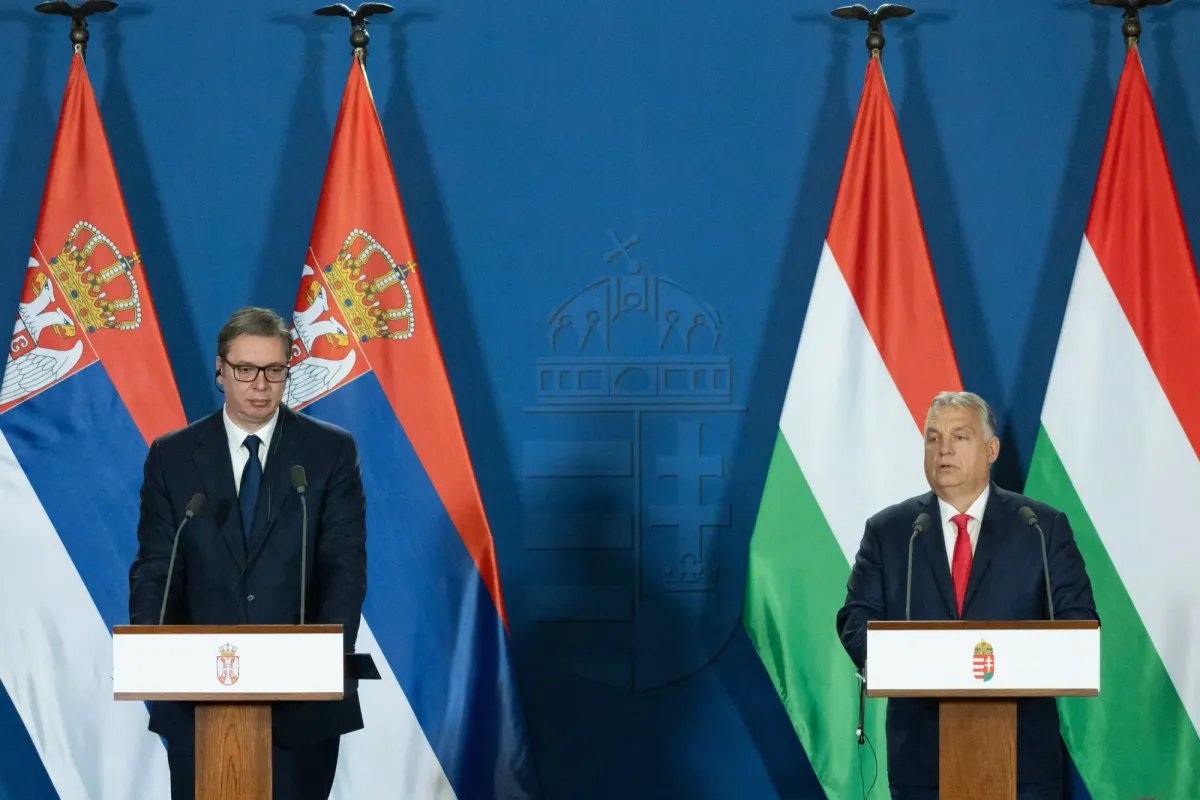
 bskyHungary and Serbia: Democracy requires economic sovereignty toosurplusmagazin.de
Key quotes
· 3 pulledJubelnde Massen füllten Budapests Straßen, Medien verkündeten Ungarns »Rückkehr nach Europa«.
Doch beide Regime stützen sich auf eine Wirtschaftspolitik, die Arbeitende als billige Kräfte für Westeuropa anbietet.
Der Blick nach Ungarn lässt viele Regierungskritiker hoffen, denn am 17. April 2026 wählten die Menschen Viktor Orbán ab und die Oppositionspartei Tisza gewann mit einer Zweidrittelmehrheit.
You might also wanna read


Is Serbia's President Pulling A Putin-Medvedev Power Swap?
Hungary's Orban concedes landmark defeat to centre-right opposition

EU’s Russian Gas Phase-Out Law Holds Up Against Hungary’s Challenge: Legal Analysis
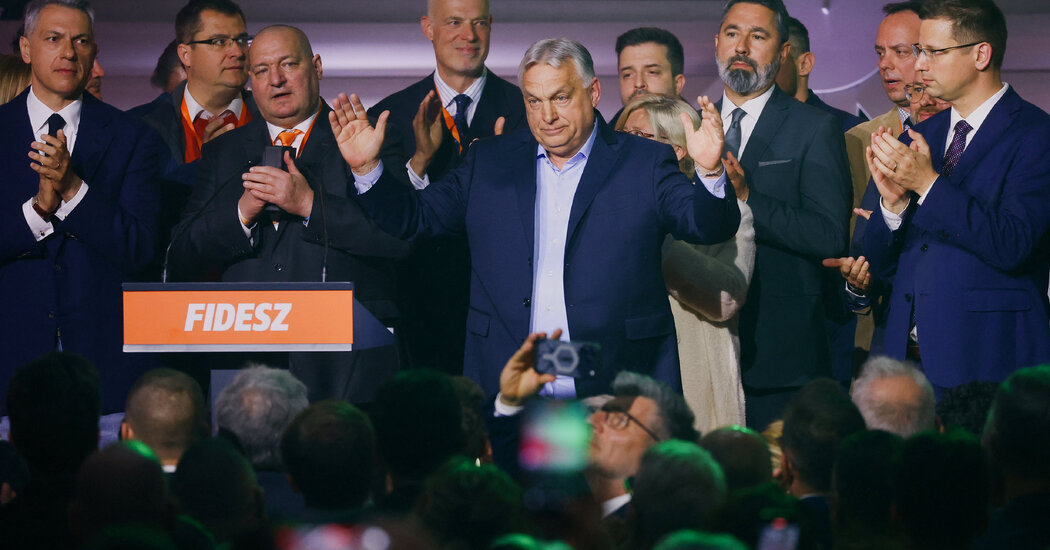
Hungarian Prime Minister Viktor Orban Concedes Election Defeat
Hungarian Prime Minister Viktor Orban, a prominent figure in global right-wing populist movements, has conceded defeat in Hungary's general
 nytimes.com·2mo ago
Comments
Sign in to join the conversation.
No comments yet. Be the first.