
























Understanding Zero-Knowledge Proofs: Proving Compositeness Without Revealing Factors
Testing whether a number is composite as an example of a zero knowledge proof. How ZKPs are used more generally.
Read the full articleYou might also wanna read


Microsoft Research's Vega Uses Zero-Knowledge Proofs for Private Digital Identity Verification
Microsoft Research's Vega system uses zero-knowledge proofs for private digital identity verification, enabling secure credential sharing wi
 startuphub.ai·1mo ago
MPC in the Quantum Head (or: Superposition-Secure (Quantum) Zero-Knowledge)
Quantum 10, 2161 (2026). The MPC-in-the-head technique (Ishai et al., STOC 2007) is a celebrated method to build zero-knowledge protocols wi
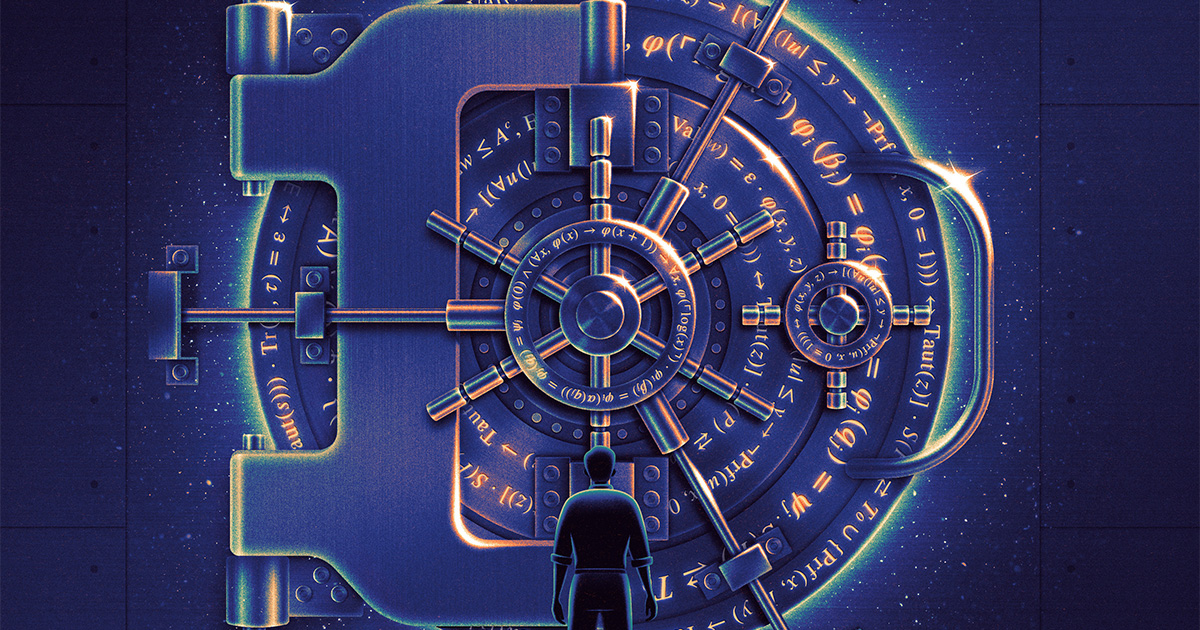
Mathematicians Use Gödel's Incompleteness Theorems to Develop New Cryptographic Tool
A graduate student recently harnessed the complexity of mathematical proofs to create a powerful new tool in cryptography.
 quantamagazine.org·1mo ago
Privote: Coding a ZK Proof-Based Private Multi-Choice Voting Dapp
In this tutorial, we implement a ZK-based private voting system, Privote, in which no one can see the voters' choices until the voting has e
Towards Unconditional Uncloneable Encryption
Quantum 10, 2157 (2026). Uncloneable encryption is a cryptographic primitive which encrypts a classical message into a quantum ciphertext, s
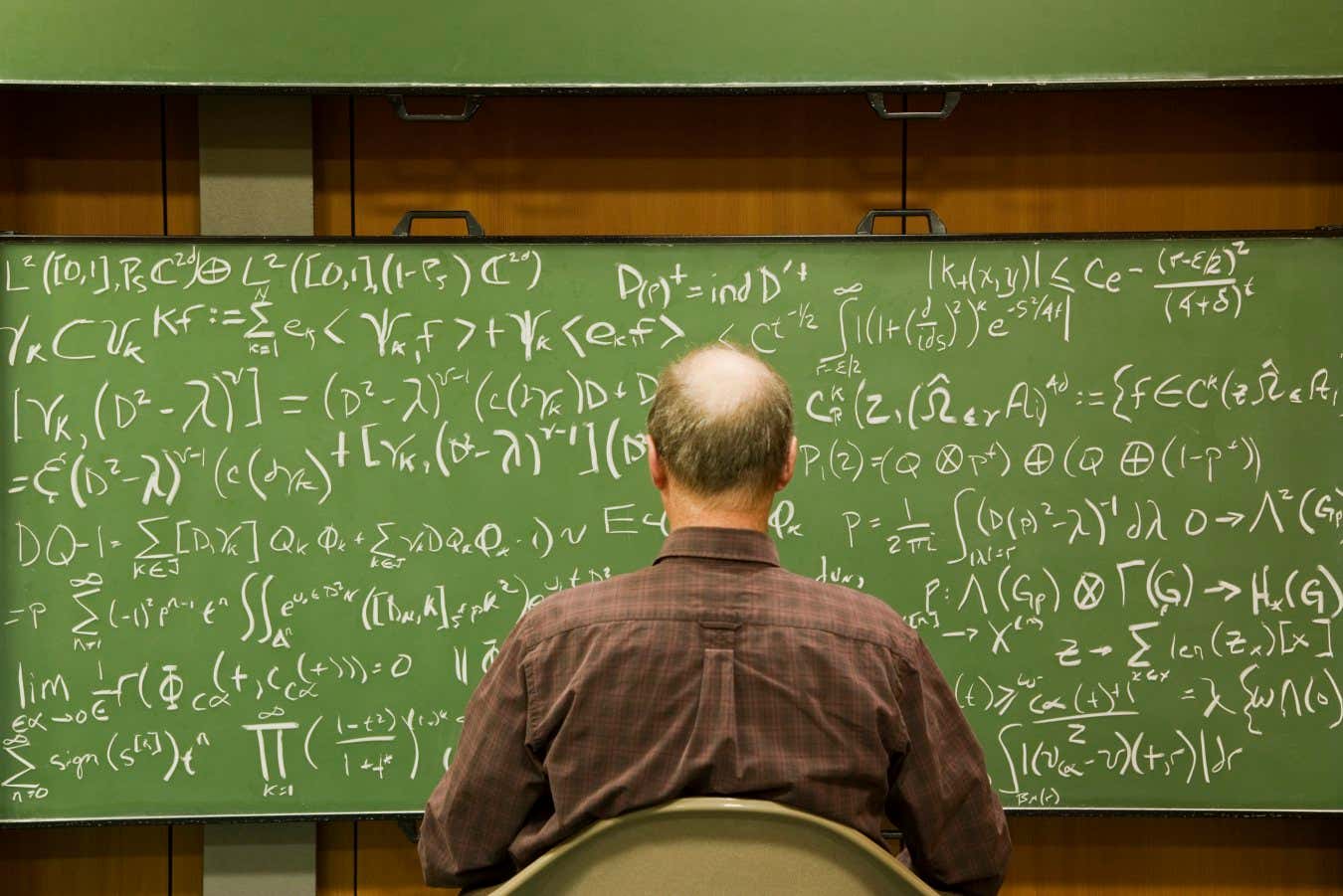
The non-constructive proof: How mathematicians solve problems without answering them
How can you have a proof without proving anything? Mathematicians found a way and, in the process, came to blows over it – but 100 years on,
 newscientist.com·6d ago
Comments
Sign in to join the conversation.
No comments yet. Be the first.