





















Understanding the Mathematical Principles of Generative Adversarial Networks
By
sebg

The kind of bagel that ruins lesser bagels for you.
Summary
This article provides a technical explanation of Generative Adversarial Networks (GANs), focusing on the mathematical principles behind these generative models. It describes the adversarial competition between generator and discriminator networks, where the generator creates realistic data to fool the discriminator while the discriminator learns to distinguish real from generated examples. The content appears to be educational material explaining the underlying distribution discovery process in GAN architecture.
Key quotes
· 3 pulledGenerative Adversarial Networks refer to a family of generative models that seek to discover the underlying distribution behind a certain data generating process.
This distribution is discovered through an adversarial competition between a generator and a discriminator.
The discriminator strives to distinguish between generated and true examples, while the generator seeks to confuse the discriminator by producing data that are as realistic and compelling as possible.
You might also wanna read


What pretraining on unlabeled text teaches large language models about language structure
Pretraining on unlabeled text teaches large language models to model the statistical structure of language by optimizing next-token predicti
 sebastianraschka.com·2d ago
How Large Language Models Work: A Visual Deep Dive into Training Data Collection
This article provides a visual deep dive into how Large Language Models (LLMs) work, starting with the data collection process. It explains
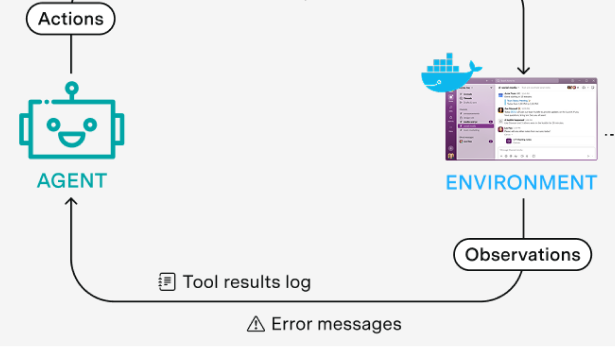
Understanding Reinforcement Learning Environments: A Comprehensive FAQ on AI Training Infrastructure
This article provides an in-depth FAQ on reinforcement learning (RL) environments, exploring their growing importance in training frontier A
 epoch.ai·2mo ago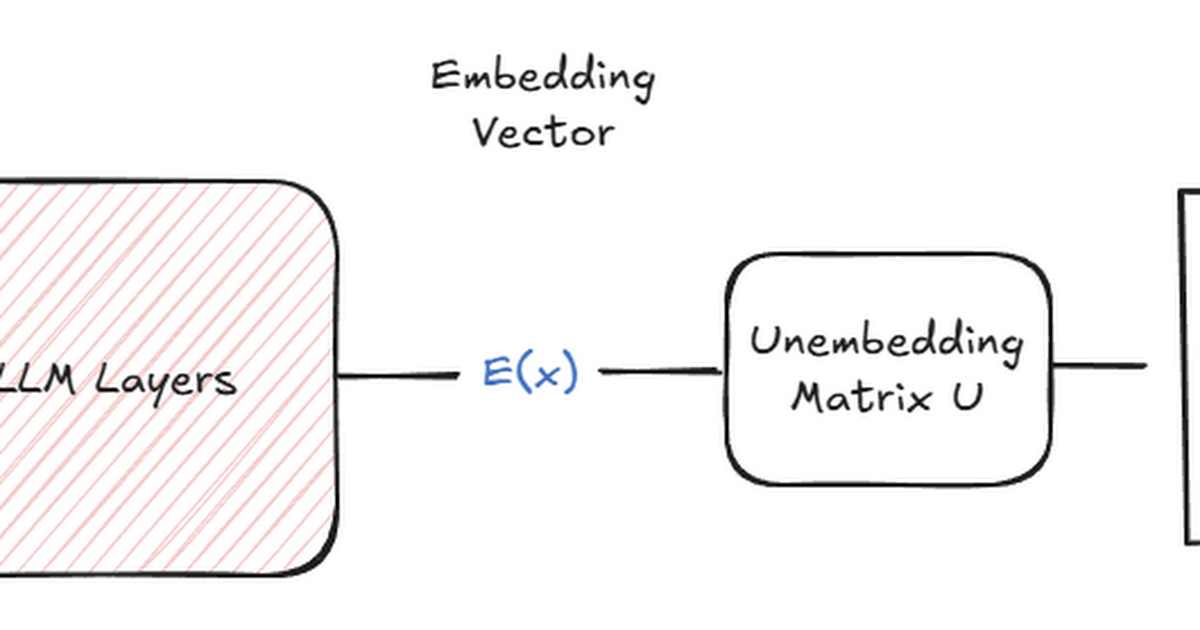
Understanding Linear Representations and Superposition in Large Language Model Interpretability
This article explores fundamental concepts in mechanistic interpretability of large language models (LLMs), focusing on linear representatio
 ternarysearch.blogspot.com·3mo ago
Introduction to Reinforcement Learning from Human Feedback (RLHF): Methods and Applications
This is a book introduction on Reinforcement Learning from Human Feedback (RLHF), providing a gentle introduction to the core methods for th
 arxiv.org·3mo ago
Understanding the Transformer Model in Machine Learning: An Educational Guide
This article provides an educational explanation of the Transformer model in machine learning, building on the concept of attention introduc