





















Understanding the Transformer Model in Machine Learning: An Educational Guide
By
auraham

Fresh out the oven, still warm. Top of the tray.
Summary
This article provides an educational explanation of the Transformer model in machine learning, building on the concept of attention introduced in a previous post. It breaks down the Transformer architecture in an accessible way for those without deep technical knowledge, explaining how it improves training speed through parallelization and outperforms previous models like Google Neural Machine Translation. The content has been widely referenced in academic courses and lectures, translated into multiple languages, and has evolved into a book with updated information on newer Transformer developments.
Key quotes
· 5 pulledThe Transformer outperforms the Google Neural Machine Translation model in specific tasks. The biggest benefit, however, comes from how The Transformer lends itself to parallelization.
In this post, we will attempt to oversimplify things a bit and introduce the concepts one by one to hopefully make it easier to understand to people without in-depth knowledge of the subject matter.
The Transformer was proposed in the paper Attention is All You Need. A TensorFlow implementation of it is available as a part of the Tensor2Tensor package.
Attention is a concept that helped improve the performance of neural machine translation applications. In this post, we will look at The Transformer – a model that uses attention to boost the speed with which these models can be trained.
Update: This post has now become a book! Check out LLM-book.com which contains (Chapter 3) an updated and expanded version of this post speaking about the latest Transformer models and how they've evolved in the seven years since the original Transformer.
You might also wanna read


What pretraining on unlabeled text teaches large language models about language structure
Pretraining on unlabeled text teaches large language models to model the statistical structure of language by optimizing next-token predicti
 sebastianraschka.com·1d ago
How Large Language Models Work: A Visual Deep Dive into Training Data Collection
This article provides a visual deep dive into how Large Language Models (LLMs) work, starting with the data collection process. It explains
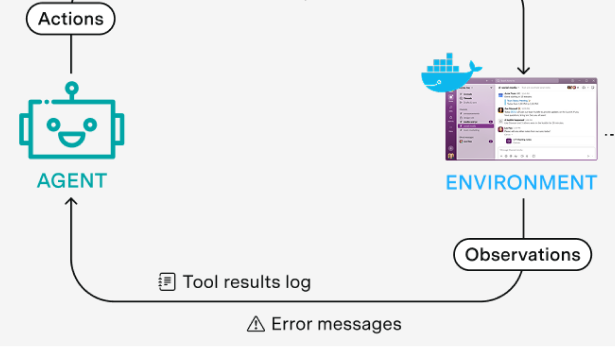
Understanding Reinforcement Learning Environments: A Comprehensive FAQ on AI Training Infrastructure
This article provides an in-depth FAQ on reinforcement learning (RL) environments, exploring their growing importance in training frontier A
 epoch.ai·2mo ago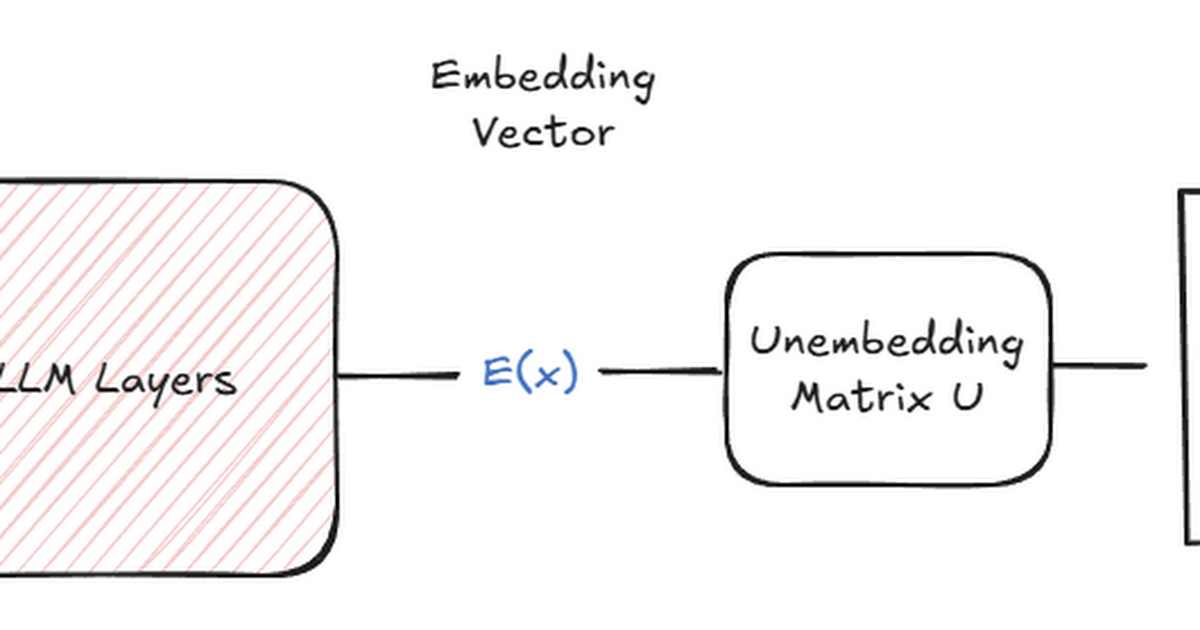
Understanding Linear Representations and Superposition in Large Language Model Interpretability
This article explores fundamental concepts in mechanistic interpretability of large language models (LLMs), focusing on linear representatio
 ternarysearch.blogspot.com·3mo ago
Introduction to Reinforcement Learning from Human Feedback (RLHF): Methods and Applications
This is a book introduction on Reinforcement Learning from Human Feedback (RLHF), providing a gentle introduction to the core methods for th
 arxiv.org·3mo ago
Andrej Karpathy on AGI Timeline: Still a Decade Away
Andrej Karpathy discusses the timeline for AGI development, stating it's still about a decade away. He explains why reinforcement learning i
 dwarkesh.com·7mo ago